
Farmers forge through fertilizer fix
Anhydrous shortage eases as spring seeding progresses
Trending
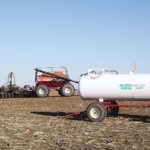
Significant headway with spring planting is helping to ease an anhydrous ammonia shortage that's inconvenienced area farmers, say local fertilizer dealers.
Anhydrous suppliers have had difficulty keeping up with a demand that's been heavier than usual because of the late spring, which led to farmers from multiple states getting into the field at the same time. Anhydrous truckers typically move north as seeding wraps up farther south, but this spring, farmers in six states were going at once, overwhelming the haulers, said Darrell Schieve, plant manager at Dakota Agronomy in Minot.
Schieve said the run on anhydrous ammonia is beginning to slow as spring seeding progresses. Barring rain, he said, seeding should be far enough along locally to relieve the pressure on supplies by the end of the week.
To help with fertilizer deliveries, Gov. Doug Burgum signed a temporary waiver about a week ago that eases restrictions on the number of hours commercial drivers can work without a break as they try to move product in a shorter time frame. The waiver remains in place through May 30.
Schieve said some producers responded to delays in getting anhydrous by switching to soybeans, which don't have the same fertilizer requirements as some other cash crops.
Ward County Extension Agent Paige Brummond said some producers went ahead and seeded, with plans to add the fertilizer later. Others switched from liquid fertilizer to granular, which is more available. Either solution comes with more cost, though, she said.
RJ Theis, general manager at United Agronomy, said the Berthold company has been fortunate to have had just enough supply to meet demand this spring.
"It's certainly been challenging, to say the least, but actually, we have had product," he said. "We have gotten tight at times - really close to running out."
With farmers 70 to 80 percent completed with seeding in United Agronomy's area, Theis sees the supply issue easing.
Jeff Krueger, who farms near Max, said because his practice has been to apply anhydrous ammonia during fall tillage, he hasn't experienced the shortage this spring.
"But I know of some other farmers in this area who had to shut the drill down for a certain period," he said.
Krueger was more than 60 percent finished with seeding early this week. Soil conditions have been dry, he said, but the forecast of a spring rain this week raises the optimism.
Brummond said the moisture situation is about the same across the county, although there are pockets that are especially dry.