Wasps make presence known this summer in Minot area
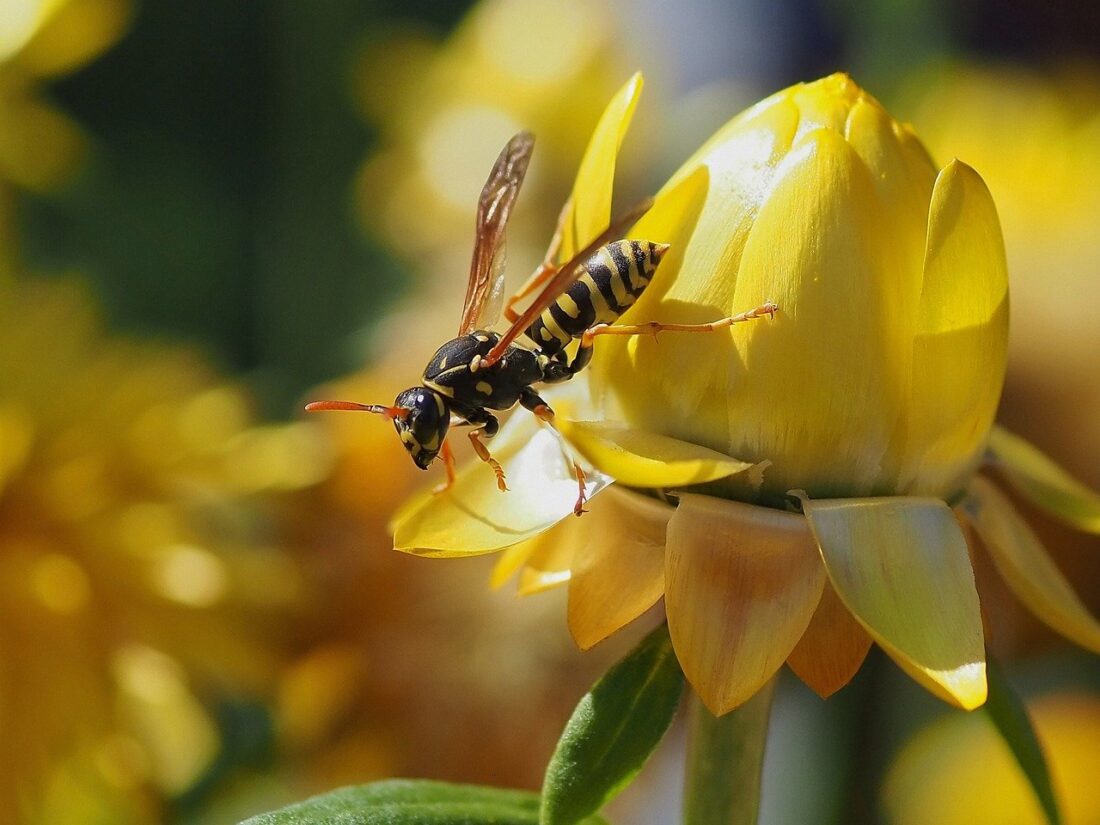
Submitted Photo Wasps multiply over the summer and can show up in high numbers at this time of year. (Pixabay photo)
Those flying, stinging insects that always seem to proliferate in the waning days of summer are back in the Minot area.
Emily How, horticulturist with the North Dakota State University Extension Service, Minot, said wasp numbers, including the particularly aggressive yellow jackets, are typical for this time of year. There are a couple of reasons why people have been noticing more of them recently, she said.
A primary reason is reproduction.
“Everybody but the queen will die out with the winter, and the queen will overwinter. When spring/summer starts, she starts laying her eggs. She’s building her colonies back up. By the end of summer, they are thousands of wasps strong. They’re just more prevalent,” How said.
Also, the harvest has begun, and as crops and flowers fade away, wasps begin looking elsewhere for food, How explained.
She said there are actions people can take to encourage wasps to look outside their backyards.
“Things like keeping your garbage cans closed, cleaning out your garbage cans, your grill trap – things that would provide a food source for the wasps. Those are, obviously, easy ways to reduce the amount that you’re seeing in your area,” How said. “If you believe there is a nest, find that nest or hive and eliminate the wasp population from the hive.”
Pesticides labeled for wasp treatment are available. How recommends spraying the nest in the evening and ideally when the temperature is below 50 degrees because wasps are least active at that time and will be in the hive.
If people are outdoors and notice wasps, they should avoid swatting or other actions that might aggravate them, she said. Possessing food, particularly sugar-laden items, will attract the wasps.
How suggests problem wasps be lured away instead.
“You can do that by having a deterrent trap,” she said. A variety of purchased traps or home-made trap ideas are available.
Wasp numbers are likely to remain high until the first frost. Unfortunately, with harvesting under way, people won’t see a decline and may see an increase as more wasps seek out alternate food sources, How said.
Not all wasps are bad news, though.
“We have so many beneficial wasps,” How said. “We do have wasps that aren’t aggressive toward humans, so not all of them deserve the bad PR that they receive.”
Local News
Planning commission supports turbine repowering
Basin Electric Power Cooperative gained the support of the Ward County Planning Commission Thursday, June 18, for a ...

Centenarian reflects on faith, family, fatherhood
Missionary doctor to speak at Minot Baptist Church
Dr. Patricia Catrow, a missionary doctor, will speak at Minot Baptist Church Sunday, June 21. Catrow has been ...

MSU seeks program seed money from MAGIC Fund
Planning commission rejects feedlot’s permit request
The Ward County Planning Commission voted Tuesday, June 18, to recommend the county commission deny a permit for a ...