What enslaved children teach us about America
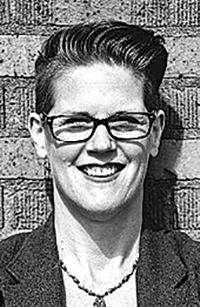
Bonnie Jean Feldkamp
An elementary school in Louisville, Kentucky, sits on land that was once the Farmington hemp plantation. That fact gutted me as I stood before “Childhood Interrupted,” an art installation depicting enslaved children on the lawn of the historic home.
My son attends this elementary school which is now embedded in a neighborhood just one long driveway away from the truth of its plantation past. He learns, thrives and feels like he belongs in a space where enslaved children were once forced to work.
The 1816 Farmington historic home is where the John Speed family lived along with 70 enslaved people.
Hannah Drake is a co-founder of (Un)Known Project and the artist behind “Childhood Interrupted,” which is touring Kentucky plantations this summer. Hannah wants people to know the specific horror that “this nation enslaved children and made children do hard labor.”
When we talk about the history of slavery in the United States, we don’t tend to think of children. But the reality is that in the decades before the Civil War, half of all enslaved people were under the age of 16.
Children as young as 2 and 3 years old performed domestic chores, including child care, collecting trash and kindling, toting water, scaring away birds, weeding and plucking worms off plants. Enslaved children also suffered harsh punishments at the hands of their enslavers. They were whipped or forced to swallow the worms they missed.
Hannah’s art shows us a different picture. Her art answers the question, “If enslaved children could do whatever it is that they wanted, what would they do?” In the silhouettes, we see children having fun and playing. A child on a rocking horse imagines what they could become. Hannah made a little chef, a girl sipping tea and children learning. At the end of the installation, we see children dreaming of their futures.
This is purposeful. No matter what atrocities enslaved children faced, they still found ways to play. Historic records tell us that their songs, rhymes and games were rooted in the realities of enslavement. Children process the world through play, especially when that world feels frightening and beyond their control. Even in bondage, children were still children.
Hannah included chains to remind viewers that enslaved children’s lives were forever bound to this place. The truth of slavery is that generations of people were born into bondage, enslaved since birth.
One exhibit in Farmington’s visitors center tells the story of an enslaved woman named Phillis. She gave birth to a daughter, Diana, only for John Speed to give Diana to his eldest daughter to raise as her personal servant. Diana was groomed from birth to serve her enslaver. Childhood Interrupted.
The courts continue to wrestle with those efforts. Last week, U.S. District Judge Angel Kelley ordered the restoration of altered exhibits nationwide. Days later, a federal appeals court allowed the administration to move forward with replacing a slavery exhibit at George Washington’s former home in Philadelphia. The legal battle may continue, but the broader fight is already clear: Who gets to decide which parts of American history are remembered and which are erased?
Slavery is not just Black history. It is every American’s history. Our stories are intertwined.
I teach in my writing workshops the importance of owning your own narrative, because only then can you decide how what happened will inform your future. This is true for our country, too. We get to decide how our nation’s foundation of slavery and genocide will inform our collective trajectory. Ignoring our history is the opposite of owning it. Knowledge is not about shame. Shame only exists in cover-ups.
Childhood in America is still interrupted by poverty, gun violence, bigotry and neglect. Understanding the trauma of enslaved children won’t change the past, but it can help us build a better future for the children whose lives are being shaped right now by circumstances they did not choose.