
Aquatics code puts focus on lifeguards
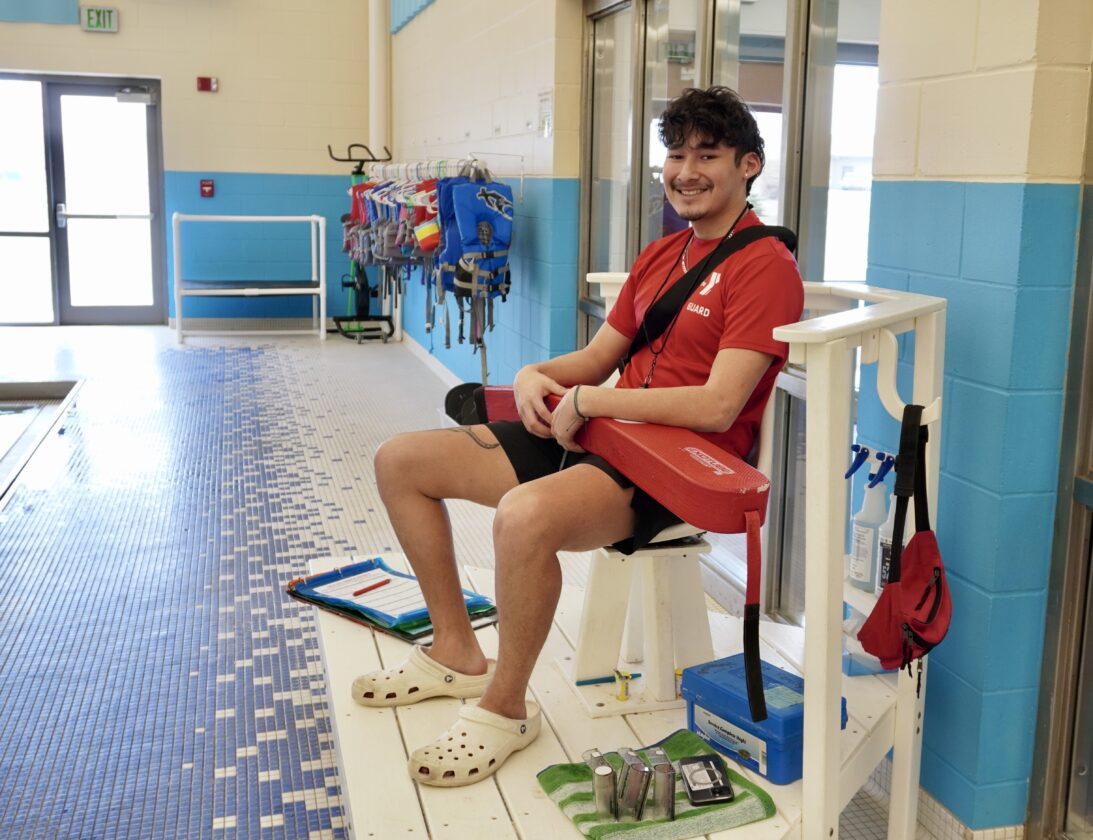
JILL SCHRAMM/MDN Lifeguard Gabriel Ricondo is on duty at the Minot Family YMCA pool Monday, April 27. Along with watching for swimmers in need of assistance, Ricondo helps with the routine pool water testing that is required, as shown with the kit next to him at the lifeguard station.
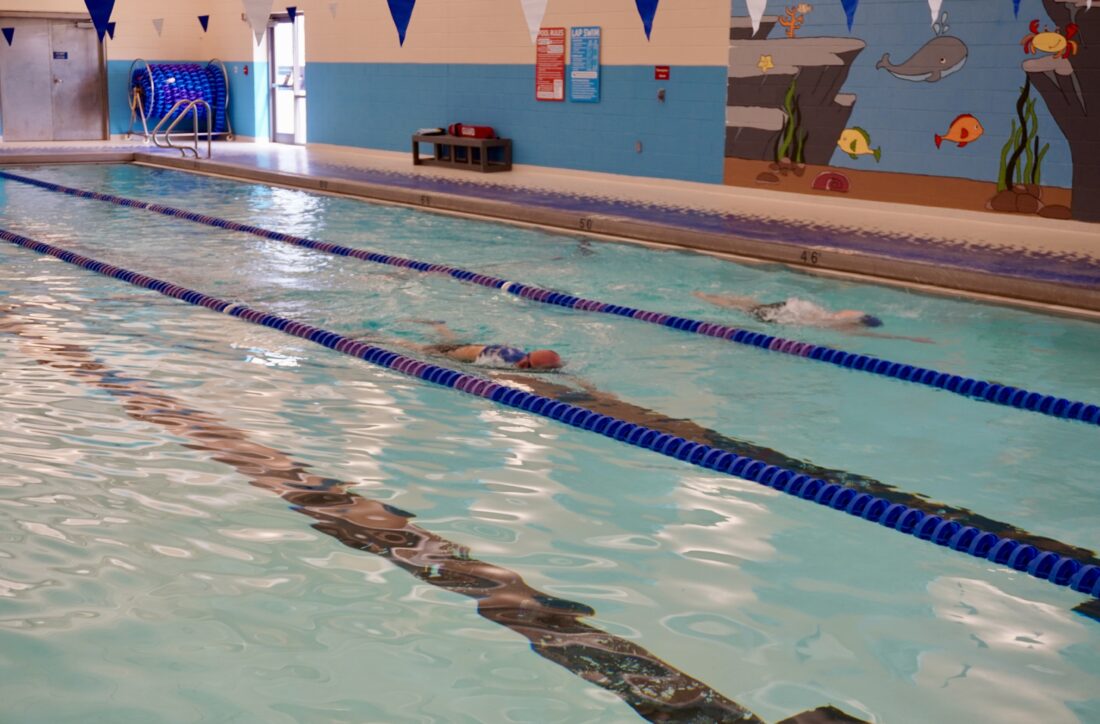
JILL SCHRAMM/MDN Swimmers work out performing laps in the Minot Family YMCA pool Monday, April 27.
JILL SCHRAMM/MDN Lifeguard Gabriel Ricondo is on duty at the Minot Family YMCA pool Monday, April 27. Along with watching for swimmers in need of assistance, Ricondo helps with the routine pool water testing that is required, as shown with the kit next to him at the lifeguard station.
JILL SCHRAMM/MDN Swimmers work out performing laps in the Minot Family YMCA pool Monday, April 27.
Trending
If water enthusiasts are noticing more lifeguards on duty at their local pools, it just might be related to adjustments that pool operators made last year to comply with a new aquatics code.
Halle Swets, aquatics director at the Minot Family YMCA and a certified lifeguard instructor, said the YMCA has been busy training new lifeguards, helping to meet any increased demand for their services. The Y's own operations changed, but not drastically.
"We didn't have to do a whole lot of adjusting," Swets said, noting the YMCA already was following similar guidelines of the American Red Cross.
Roosevelt Park's outdoor pool was closed last summer due to construction associated with the flood protection project, but Minot Park District has been hiring for the opening of the 2026 season, according to Director of Operations Jarrod Olson. Olson said the pool operation utilizes about 25-30 pool staff.
"We have 10-12 lifeguards on a shift and additional front-end staff. We have that many lifeguards on a shift to be able to cover the stands and additional roving guards on the pool deck," Olson said. The staffing model was updated last year in keeping with First District's new code, he said.
Jayme Calavera, environmental health practitioner at First District Health Unit, said First District in January 2025 adopted a model aquatics code developed by the Centers for Disease Control and Prevention and industry experts. The code determines the number of needed lifeguards based on numbers of pool zones.
Calavera explained pool supervisors determine their own pool zones. Zone determinations can be influenced by any obstructions to visibility around the pool as well as response times for lifeguards to different points within the pool.
Because the YMCA's pool is classified with two zones, two lifeguards commonly provide coverage, and three are employed for large pool parties, Swets said. Testing is conducted to ensure a lifeguard can reach a person anywhere in the water and bring them to rescue stage in a minute and 30 seconds or less, she said.
The YMCA, which employs 29 lifeguards, also ensures a lifeguard is present for any aquatics classes, and its swim instructors receive lifeguard training. Lifeguards must be age 16 or older. However, Swets said, those age 15 can become junior lifeguards, who work alongside a lifeguard.
Under the model aquatics code, First District's rules don't necessarily require hotel pools to have lifeguards. Pool operators must meet the code only if they are open to the public. Hotels that serve only their clientele or private parties are not considered open to the public, Calavera said.
However, Calavera noted, lifeguards must be on duty in certain situations, such as events involving alcohol or if certain water features such as slides and climbing walls are present.
Lifeguards are required for any new pools built for water deeper than 5 feet. That portion of the code does not apply to existing pools, Calavera said.
Until last year, First District's rules determined the number of required lifeguards based on the number of patrons and surface area of the pool. Those guidelines from the National Swimming Pool Foundation, which set certifications for pool operators, had been the standard until the model aquatics code now used by First District was developed a number of years ago.
Calavera said some other health agencies in the state that regulate aquatics have adopted the model aquatics code, although it varies around the state. For instance, the model code is enforced in Fargo while a locally developed code is used in Bismarck.
North Dakota discontinued providing code requirements on aquatic facilities in 1995, so it has been up to local boards to determine whether and how to regulate pools, Calavera said.