Hints of History: The story behind homemakers/home demonstration clubs
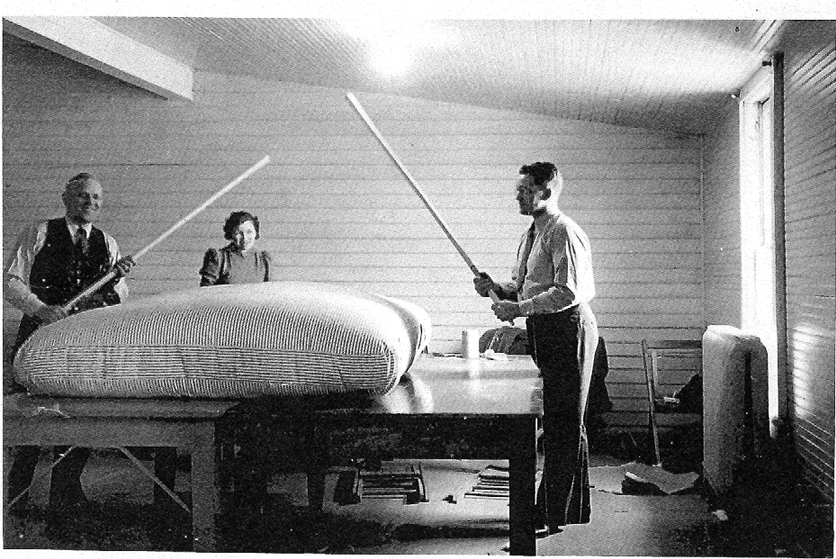
A truck transported cotton to be used for making mattresses. Members of homemaker clubs traveled to Bottineau learned the process of making the mattresses due to the shortage of mattresses during the war.
Cooperative Extension work was created for agriculture and home economics was introduced by the U.S. Department of Agriculture and the state of North Dakota.
Home Demonstration Clubs, also known as homemaker clubs, were a program of the U.S. Department of Agriculture’s Cooperative Extension Service. Its goal was to teach farm women in rural America better methods for getting their work done in areas such as gardening, canning, nutrition, and sewing.
In 1918, each agricultural county was required to have an Extension agent to help raise production and promote conservation of resources during the war. In 1932, with the economy weakened by bank closures, farm foreclosures and high unemployment, some counties decided to discontinue Extension operations. In 1933, with the passage of the Agricultural Adjustment Act (AAA), every agricultural county in the United States was required to have a county agent to administer the federal programs.
Home demonstration agents worked with local clubs to provide teaching services. Each homemakers club received a book with space to record membership and the minutes for twelve meetings. The completed report would be sent to the County Extension agent.
Homemaker clubs provided area homemakers with an organization that would educate them in a variety of homemaking topics as well as learning to lead meetings and being a club officer. Other topics included finances, child rearing, food, social awareness, home decorations, health, shopping, handcrafts and sewing. The club was guided by the local Extension agent and the information published by the Extension division.
In the early 1940s homemaker clubs, including 3-W, traveled to the Bottineau County Extension office to learn the process of making mattresses. The mattresses were made during the war due to a shortage.
During 1952-53, roll call topics included recipes for hot breads and rolls, bringing a can of food for the Crippled Children’s School, household hints, and many food subjects. Program topics included home management, gardening, clothing, crafts and home and commercial dying. In 1994-95, roll call topics included favorite family traditions, travel wishes, memories of weddings and summers. One program topic was “Who is responsible for our youth?”
Arts and Entertainment

Our American Story: Feeding a nation: Agriculture, cooperation and civic duty

RETIREMENT’S COMIC RELIEF: Searching for your treasure
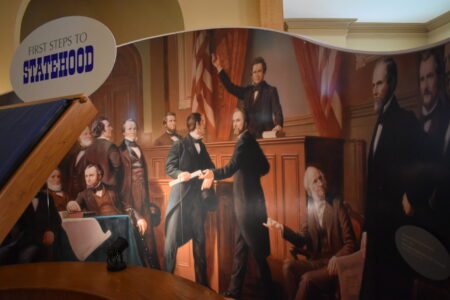
New state carved out of Civil War

A Second Look: Villard to Washburn was early mail route
A Second Look: Postal operations played role in area’s early history