SVAS shares tips to keep pets safe in winter
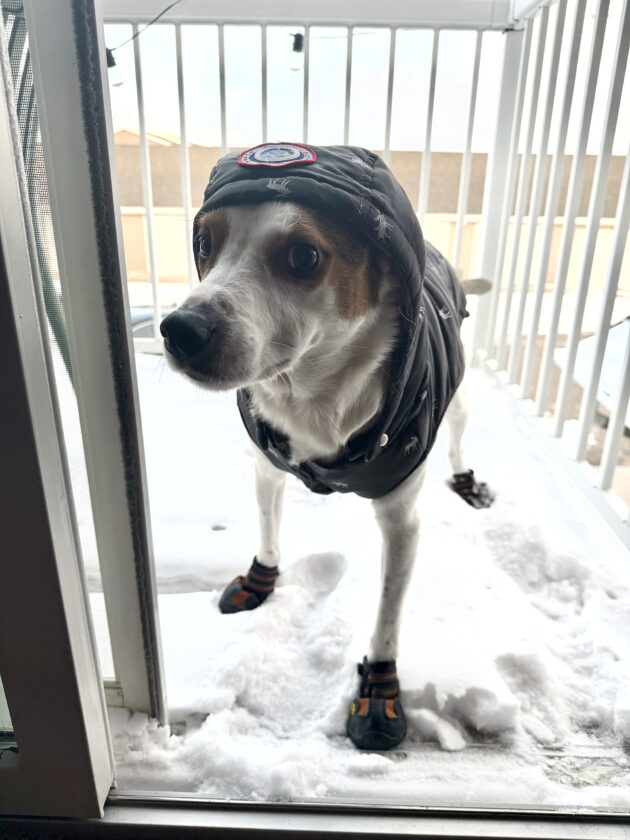
Submitted Photo Moscow models his winter gear as he encourages his friends at Souris Valley Animal Shelter to stay warm and safe this weekend. Moscow belongs to Haley Schoneck. Photo from Souris Valley Animal Shelter.
When temperatures fall below zero, pet owners need to pay special attention to their four-legged family members to keep them safe from the cold.
Chayana Duncan, director of Operations at Souris Valley Animal Shelter, provided some advice for not only keeping pets safe but also keeping them entertained when shut up indoors.
Her tips to keep pets safe in extreme cold temperatures include:
-Keep pets indoors as much as possible.
-Limit outdoor time to short, supervised potty breaks.
-Dress pets in weather-appropriate coats and booties, especially short-haired, small, senior or young animals.
-Avoid ice melt when possible. If pets walk through it, rinse their paws with water and dry them completely once inside.
-Never leave pets unattended outside, even for short periods.
-Wipe down bellies, legs and tails after outdoor time to remove ice, snow and salt.
-Make sure pets always have access to fresh, unfrozen water.
-Keep antifreeze, de-icers and chemicals securely stored. They are extremely toxic to pets.
-For outdoor animals or barn cats, provide insulated shelter, dry bedding (straw works best), and ensure openings face away from wind.
Tips for keeping dogs occupied while indoors include:
-Safe bones or chew toys (no rawhide).
-Slow feeders or puzzle feeders. You can add treats, peanut butter, a little kibble, and water, then freeze.
-Kongs filled with treats and peanut butter.
-Grooming or brushing sessions (if your pet enjoys it).
-Practice basic commands or teach a new trick (sit, shake, lay down, spin, etc.).
-Towel feeding. Scatter food or treats on a towel, roll it up, and tie it in a loose knot for enrichment.
Haley Schoneck, who works in communications and with events at SVAS, added these tips for cold weather paw care:
-Check paws before and after going outside for cracks, redness, ice buildup or bleeding.
-Ice, snow, and salt can get trapped between paw pads. Gently remove it right away.
-Use pet-safe paw balm or wax before going outside to help protect pads from cold and salt.
-Booties provide the best protection if your pet will tolerate them.
-Rinse paws with lukewarm water after walks to remove salt and ice melt, then dry completely, especially between the toes.
-Keep fur between paw pads trimmed to reduce ice buildup.
-If you notice limping, excessive licking or sore pads, keep your pet indoors and contact a veterinarian.
Local News

Trinity resumes postponed surgeries
Pedestrian killed in crash in Jamestown
JAMESTOWN – A 16-year-old male from Jamestown died from injuries when he was struck by a vehicle while walking in ...
Community Seed Swap event set for Jan. 31
NDSU Extension-Ward County is inviting gardeners, seed savers and anyone curious about growing their own plants to ...
Williston announces Target coming to Williston Square
WILLISTON – Target Corp. has selected Williston Square in Williston as the site for a more than 134,000 square ...
Winter lawn games at Fort Mandan rescheduled to February
WASHBURN — “Frostbite & Firelight: Winter Lawn Games Extravaganza,” originally scheduled for Saturday, ...