Breaking News

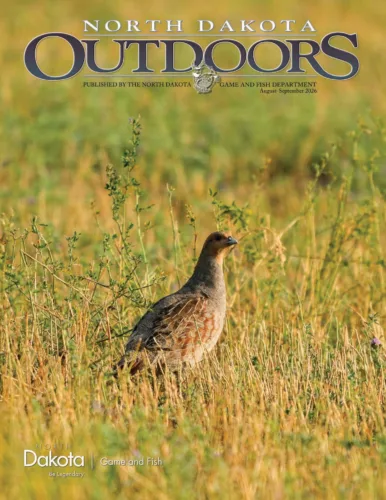
North Dakota Outdoors: Nearly century of North Dakota OUTDOORS

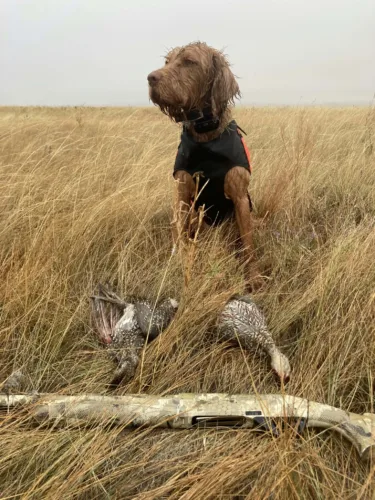
Like many hunters, anglers and anyone with an interest in North Dakota’s outdoors, I’ve taken for granted the North Dakota OUTDOORS magazine. It began and remains a rare combination for news and insight, explaining the current regulations and impacts of habitat to walleye stocking and ...

North Dakota Outdoors: The future of fishing

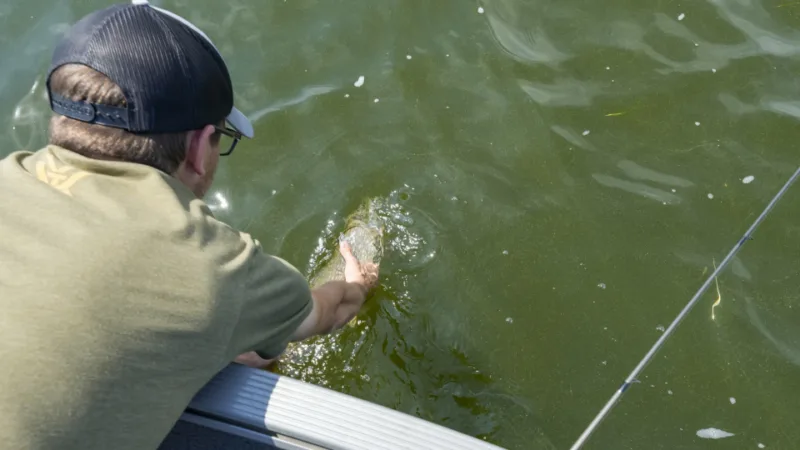
Unlike deer, upland game and waterfowl, the production of fisheries is hard to notice on a year-by-year basis. What hasn’t changed is the strong boost the beginning of the early 1990s wet cycle has provided for decades or fishing success in North Dakota. As it’s been said, we’re living ...

Outdoor Connections: Why we are drawn back to the prairie

Certain places remain with you long after you've left. For me, it is northwest North Dakota that I return to each September. The country around Stanley and north toward the Lostwood area is some of the prairie country I remember most clearly. Rolling grasslands, open fields and wide skies ...

Local Outdoors

Youth deer season Sept. 18 at noon CDT signals the start of a nine-and-a-half-day deer hunting season for licensed youth hunters. The youth license is valid during the youth deer season that closes Sept. 27, and the regular deer gun season running from Nov. 6-22. After opening day, hunting hours are a half-hour before sunrise to a half-hour after sunset. Orange clothing is required for youth hunters and mentors. Each young deer hunter must be under direct supervision of an adult. The adult is prohibited from carrying a firearm or bow while accompanying the youth hunter in the ...

Algal bloom advisories, warnings updated

BISMARCK – The North Dakota Department of Environmental Quality has issued a harmful algal bloom advisory for Blacktail Dam in Williams County, bringing the number of state waterbodies under an active advisory or warning to 18. Harmful algal blooms, also called HABs or blue-green algae, can develop quickly in warm, sunny weather. Some blooms produce cyanotoxins that can make people, pets and livestock sick if the water is swallowed or touched. An advisory means a bloom is present in portions of the waterbody. A warning means a bloom covers a significant portion of the waterbody and ...