
Our American Story: Local government, real impact: Democracy where it’s most personal
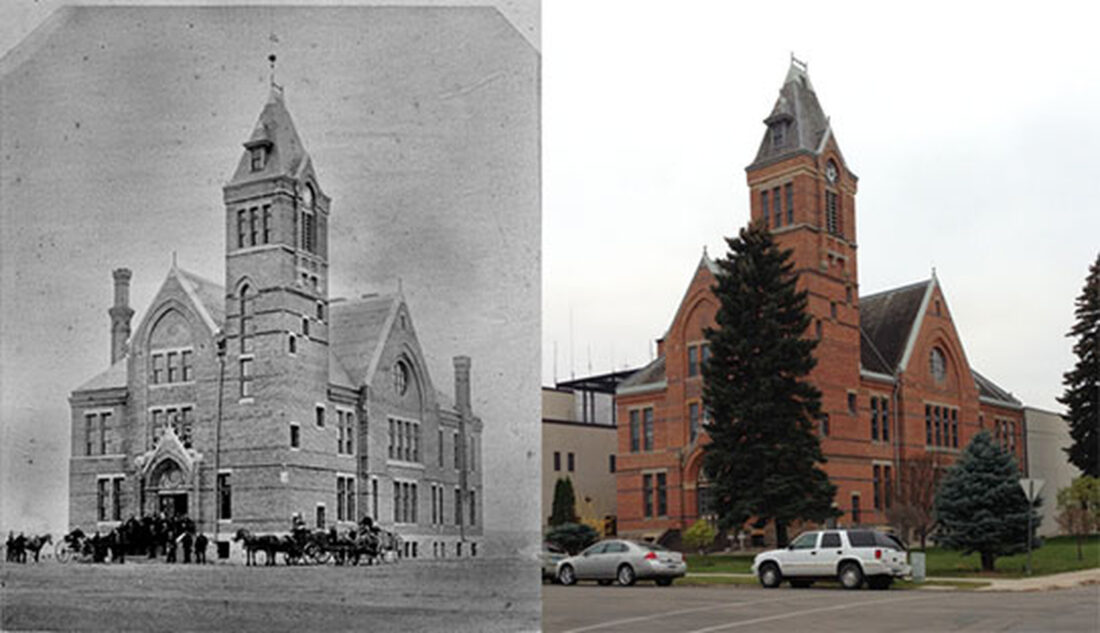
Submitted Photos Stutsman County Courthouse, shown then and now, was built in 1883. The courthouse, still open to the public today in Jamestown as a state historic site, was the birthplace of North Dakota’s statehood. Important meetings were held to discuss the division of Dakota Territory. (Photos from State Historical Society of North Dakota Archives, 1005-0002)
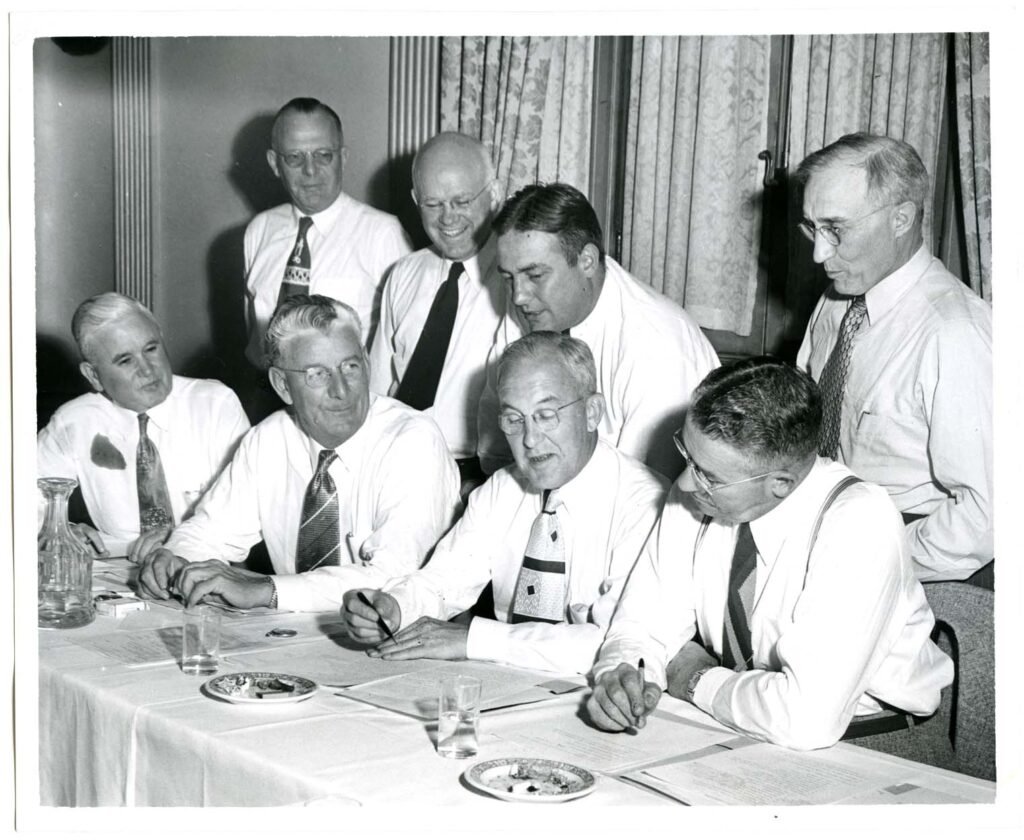
Submitted Photo A North Dakota civic meeting illustrates the long tradition of local governance and community decision-making via North Dakota League of Cities. Photo from State Historical Society of North Dakota, 143717.
Submitted Photos Stutsman County Courthouse, shown then and now, was built in 1883. The courthouse, still open to the public today in Jamestown as a state historic site, was the birthplace of North Dakota’s statehood. Important meetings were held to discuss the division of Dakota Territory. (Photos from State Historical Society of North Dakota Archives, 1005-0002)
Submitted Photo A North Dakota civic meeting illustrates the long tradition of local governance and community decision-making via North Dakota League of Cities. Photo from State Historical Society of North Dakota, 143717.
Trending
Throughout 2026, the ND250 Commission, administered by the State Historical Society of North Dakota, is leading the state's commemoration of the 250th anniversary of the founding of the United States. Through meaningful, inclusive, and inspiring projects and events, the commission celebrates North Dakota's rich history, diverse people, and bright future while honoring the state's heritage, individual values, and spirit of community.
When Americans think about civic engagement, the focus often turns to national elections, Congress, or the presidency. But for most people, government is not something distant. It is experienced close to home, in the decisions that shape daily life in communities across North Dakota.
There is a direct structural relationship between the federal system established by the United States Constitution and the organization of state and local governments in North Dakota. Under principles like federalism and separation of powers, states develop their own constitutions and establish local governing bodies such as counties, cities, and townships, which mirror aspects of the federal framework while exercising authority granted at the state level.
County commissions, city councils, school boards, park districts, and water boards represent civic participation at its most immediate level. These are the places where decisions are made about streets and infrastructure, classrooms and curriculum, public safety, and essential services like water systems. The outcomes of these discussions are not abstract. They are real and visible in neighborhoods, schools, and communities every day.
This tradition of local governance is deeply rooted in North Dakota's history. As communities formed across the prairie in the late 19th and early 20th centuries, residents worked together to establish towns, build schools, and organize the systems needed to support growing populations. These efforts reflected a shared belief that communities are strongest when people take part in shaping them.
That same spirit continues today. Across the state, thousands of North Dakotans serve in local roles, often balancing public service with full-time jobs, farms, and family responsibilities. They are not career politicians, but neighbors who step forward to help guide their communities.
Organizations like the North Dakota League of Cities have supported this work for more than a century. Founded in 1912, the League provides resources, training, and advocacy to help cities navigate complex challenges, from infrastructure planning to community development. Its work reflects a long-standing commitment to ensuring that local leaders have the tools they need to serve effectively.
Local government also plays an important role in civic participation. For many people, attending a city council meeting or voting in a school board election is their first direct experience with government in action. These opportunities allow citizens to share their perspectives, ask questions, and see how decisions are made.
In this way, local governance connects directly to the principles introduced in 1776 - that government derives its authority from the people. While those ideas were first expressed at a national level, they are carried forward every day in communities where residents engage, participate, and take responsibility for the future of their towns. The 1883 Stutsman County Courthouse, still open to the public today in Jamestown as a state historic site, was the birthplace of North Dakota's statehood. Important meetings were held to discuss the division of Dakota Territory.
North Dakota has long demonstrated a strong tradition of civic involvement. From early settlement through today, citizens have stepped forward to organize, lead, and contribute to their communities. Whether through public office, volunteer boards, or community organizations, these efforts reflect a shared understanding that communities depend on participation.
As the United States marks its 250th anniversary, local institutions serve as a reminder that the American story is not only shaped in national moments, but in everyday decisions made across the country. In North Dakota, that story continues in meeting rooms, school auditoriums, and community gatherings where people come together to solve problems and plan for the future.
The work of self-government is ongoing. It is built through conversations, collaboration, and a willingness to take part. It is seen in the efforts of individuals who step forward to serve and in the communities that support them.
As part of ND250, North Dakotans are encouraged to reflect on the role they play in this process. Participating in local government, whether by voting, attending meetings, or serving in a leadership role, is one of the most direct ways to be part of "Our American Story."