
State Supreme Court affirms 2020 murder conviction
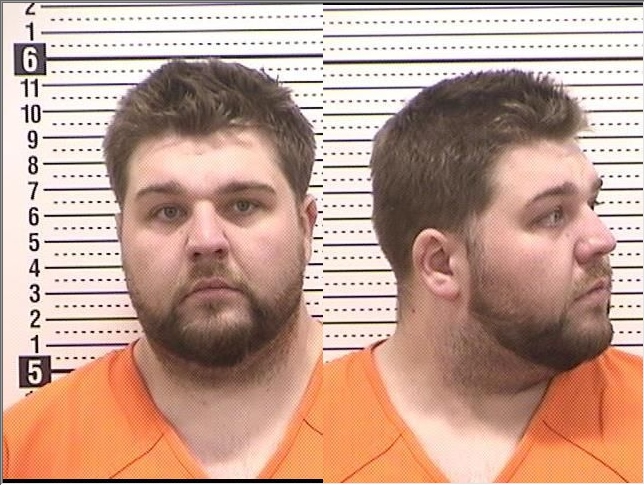
The North Dakota Supreme Court issued an opinion affirming the conviction of a Minot man in the 2020 murder of Alice Queirolo.
Shawnee Krall was found guilty after a five day trial which concluded on Aug. 2, 2024, and he was sentenced by District Judge Stacey Louser to serve life in prison without the possibility of parole.
Krall appealed his conviction soon after, arguing the state had failed to present sufficient evidence for a jury to find him guilty beyond a reasonable doubt and that the district court committed reversible error in rejecting Krall’s requested jury instructions on circumstantial evidence.
According to court documents, Krall had been renting a room at Quierolo’s residence prior to the murder and resisted attempts by law enforcement to perform a wellness check. The state’s case was complicated due to the district court’s order suppressing evidence obtained as a result of the warrantless search of Krall’s car, which barred prosecutors from making any mention of Queirolo’s body, the fact she was deceased and the results of the autopsy.
Krall argued the jury was left with evidence Queirolo was a medically vulnerable adult who was reported missing, and he may have been the last to see her. Krall further asserted the circumstantial evidence establishing her death did not tie him to her death other than he was a roommate and he may have been home when she went missing.
However, the Supreme Court found the state presented sufficient evidence for a jury to draw a reasonable inference of Krall’s guilt by establishing the victim’s medical history, lack of contact with family members and coworkers, and video surveillance from neighboring residences which recorded Krall’s comings and goings.
The Supreme Court further found the record showed the district court allowed both parties to present arguments on the competing circumstantial evidence instructions, considered relevant case law in its analysis, and made a reasoned decision to use the pattern jury instruction based on current case law.
Local News
January is National Radon Action Month
BISMARCK – During National Radon Action Month in January, the North Dakota Department of Environmental Quality ...
Agencies collaborate to protect children online
NEW TOWN – The Mandan, Hidatsa and Arikara (MHA) Nation, the MHA Division of Drug Enforcement and the North ...

Peace Garden offers free admission for seniors
Williston fire chief appointed as ND’s State Fire Marshal
BISMARCK — Matt Clark has been appointed as North Dakota’s State Fire Marshal, Insurance Commissioner Jon ...
Minot event to discuss roots of nation’s founding
Americans know of the Bill of Rights and Declaration of Independence, but do people really have knowledge about ...
Champagne and Ice Gala set for Feb. 14
Former National Football League player Gaelin Elmore will be guest speaker at the annual Champagne and Ice Gala of ...