North Dakota Outdoors: Survival of winter isn’t assured
-
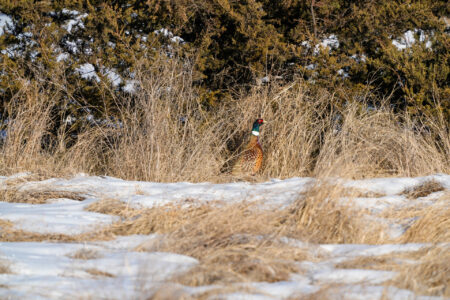
- Submitted Photo For pheasants, winter survival depends primarily on thermal cover and food availability. Photo from NDGF.
-

- Doug Leier
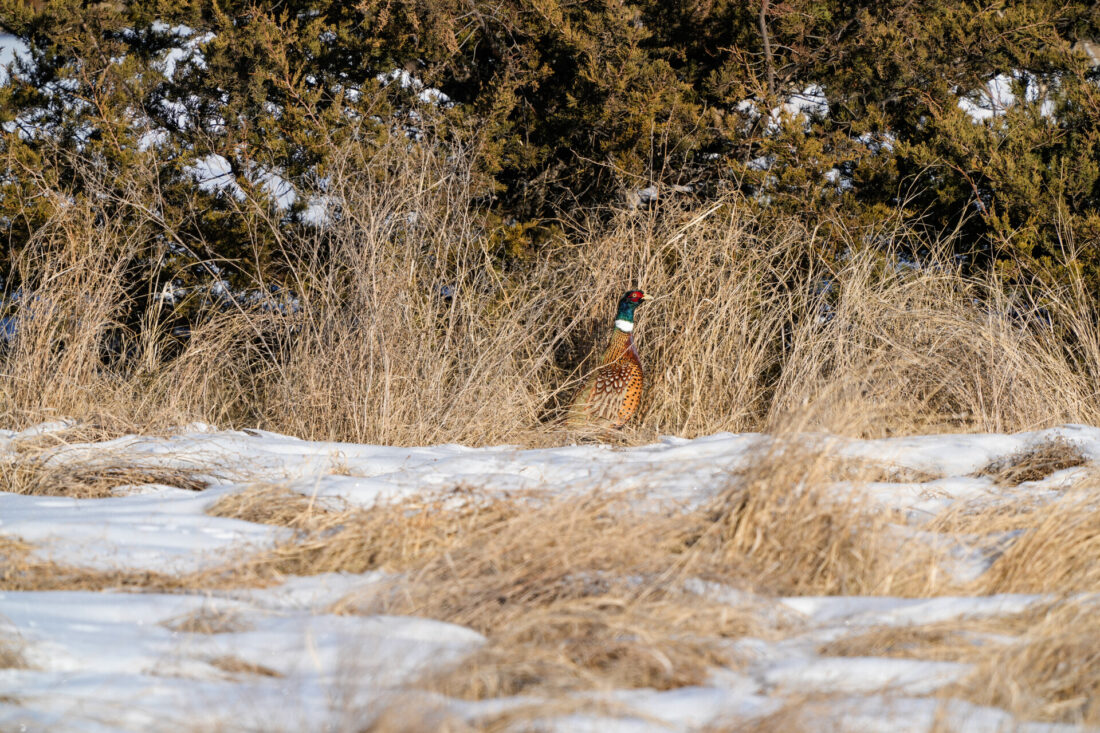
Submitted Photo For pheasants, winter survival depends primarily on thermal cover and food availability. Photo from NDGF.
Early March often creates the impression that winter is nearly over. Day length is increasing, snow begins to settle, and we can see the finish line of our annual winter marathon. However, it’s too early to assume pheasants and deer are going to win the race. Winter lingering on can impact wildlife survival. March and April can be the most demanding and deadly part of winter.
Pheasants and deer across North Dakota have already expended much of their energy reserves. They’ve battled prolonged cold, limited food availability, and repeated periods of wind and snow. By late winter, animals are operating with little margin for error and must continue conserving energy until conditions improve.
For pheasants, winter survival depends primarily on thermal cover and food availability. Snow-plugged and iced-over is no help. Open shelterbelts, cattail wetlands, and tall residual grass provide critical resources during cold and windy periods. Birds entering winter in good condition generally fare better, but by late winter fat reserves are depleted. As body mass declines, movements between cover and food sources require more effort and energy than earlier in the season. The first lap of the race is much easier than the last hurdle.
Deer face similar challenges at a larger scale. Most deer have lost a substantial portion of the body fat accumulated during fall. Their winter coats reduce heat loss, but limited movement is still necessary to conserve energy. Deer often concentrate in areas with suitable cover, using established trails and bedding sites while doing all they can to minimize exposure to wind and cold. The less intentional disturbance the better.
Late winter weather events can significantly affect survival. Storms earlier in winter typically have less impact because animals still have adequate reserves. Quite frankly, if a deer or pheasant succumbs to a December storm, the odds of surviving winter were limited at best.

Doug Leier
In contrast, heavy snow, ice, or extended cold periods in late February or March can increase mortality for even the healthiest. Crusted snow can limit movement, deep drifts can impede access to food, and prolonged cold increases daily energy requirements when reserves are already low.
For pheasants, snow that covers waste grain or restricts access to cattail cover can lead to starvation. For deer, restricted access to browse or the need to travel long distances between food and cover can result in winterkill, particularly among fawns and older animals. Weakened animals become more susceptible to sickness and predators.
In many cases, winter mortality reflects cumulative stress rather than a single event.
Most winters do not end with severe, widespread losses. But understand even the kindest winters can and will kill wildlife.
If the weather remains moderate, wildlife can persist until improving conditions reduce energy demands. As snow recedes and temperatures rise, pheasants regain access to food, and deer shift to early green-up and begin rebuilding body condition.
This all highlights the importance of habitat. Shelterbelts, grasslands, wetlands, and standing food sources help wildlife maintain energy balance during late winter. These are needed every year, not just during severe winters, by reducing the impacts of weather variability.
Although many have made it through the majority of winter thus far, survival is not assured until conditions consistently improve. Late winter remains a critical period, and how wildlife emerges in spring is largely determined by food availability, cover, and weather during these final weeks.
Doug Leier is a NDGF biologist and a Williston native. He began his career at Lostwood NWR and was a game warden in Bottineau.
Outdoors
North Dakota Outdoors: Survival of winter isn’t assured
North Dakota Outdoors: Managing coyotes is about understanding them
Fund is important way for people to help ND wildlife
Almost 40 years ago, legislators heard from folks who wanted to do a little more for the critters most of us ...
Importance of private land for wildlife, hunting In ND
North Dakota Outdoors: Why high-grading isn’t legal in ND