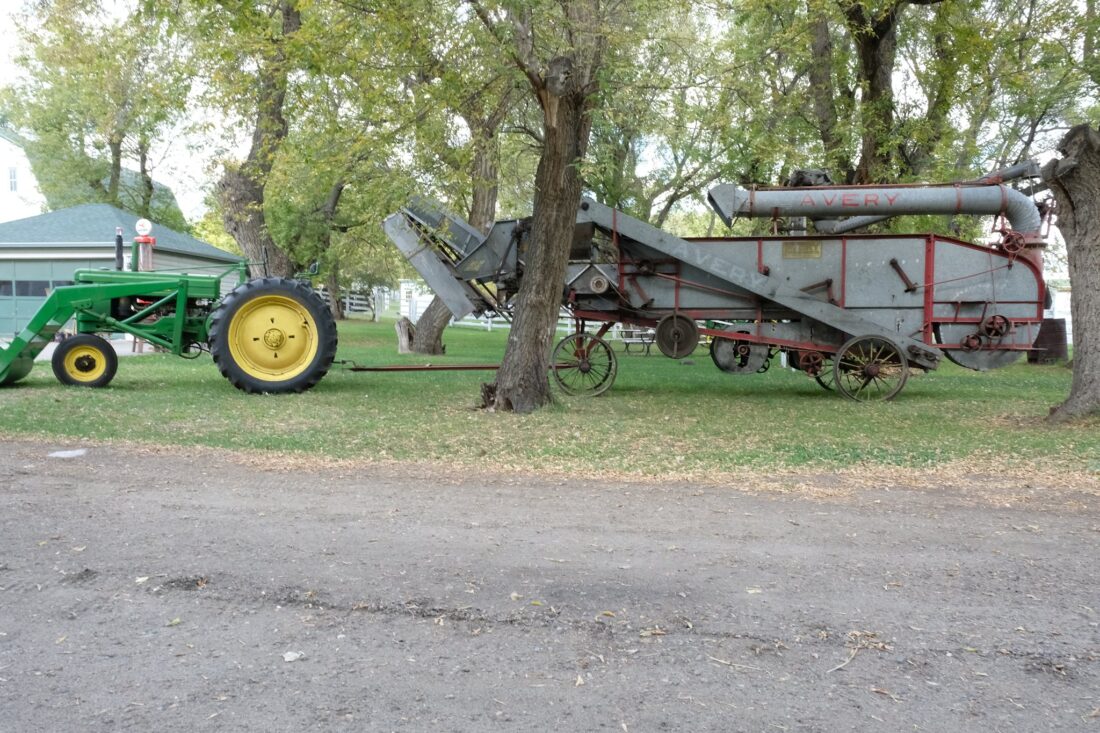
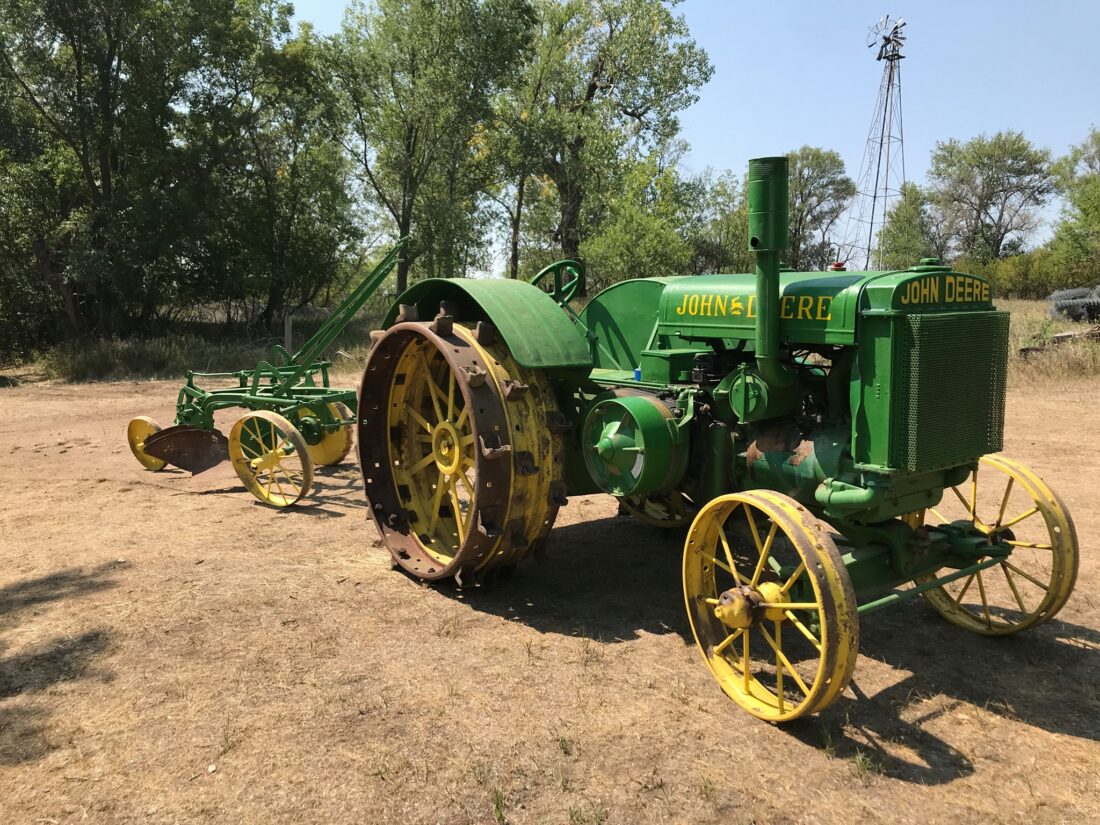
Kenmare native restoring historic Burnt Creek Farm
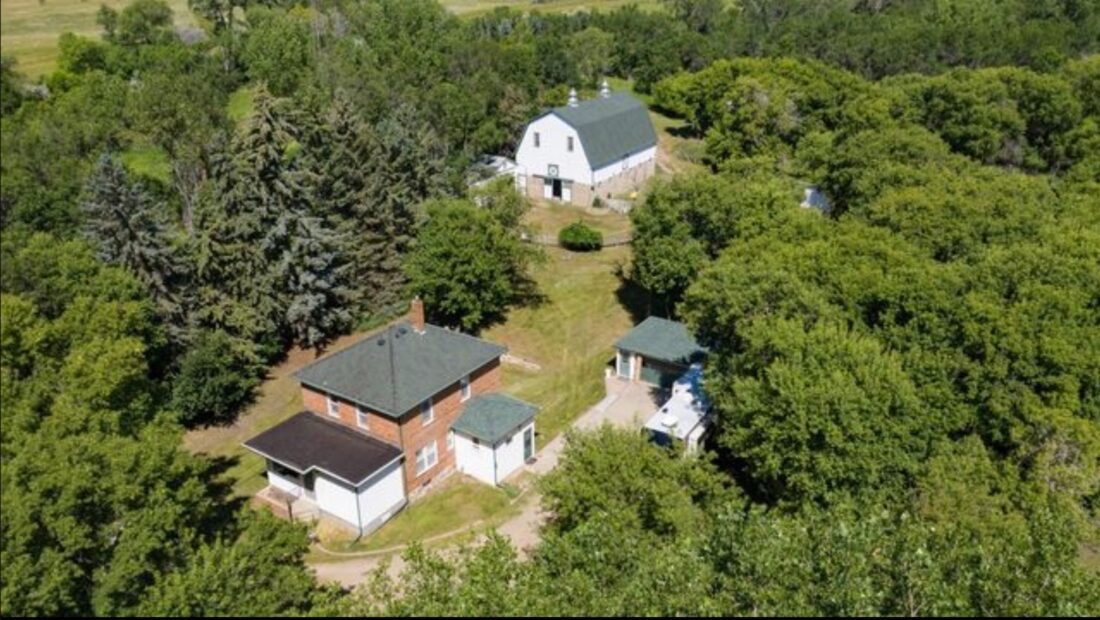
Editor’s Note: Below is a timeline of the history of the historic Burnt Creek Farm that Dave Lehman, who grew up in Kenmare, is restoring north of Bismarck.
Mid 1870s:
GW and Charles Racek open a shop on Fourth Street Edwinton/Bismarck, Dakota Territory (known then as bloody 4th or Murderers Gulch due to its reputation as one of the wildest areas in the U.S. at the time) doing leather work for the Calvary and local homesteaders in Edwinton/Bismarck. Not long after, the Racek brothers open the harness shop in Billings, Montana. Charles (Chaz) Racek moves to Billings to run that harness shop. They also went to Medora to start a harness shop and had interest or first right of refusal for property, but I don’t think they followed through with it. Racek Bros. in Billings is one of the saddleries called out in the book “Saddleries of Montana: Montana’s Makers from Territorial Times to 1940.”
Late 1870s-early 1880s:
GW Racek planted the first trees under the timber culture act. This program allowed farmers free land (similar to the Homestead Act). 27,000 trees were planted on what is to become Burnt Creek Farm. One-fourth of these trees needed to be kept alive for eight years to claim the property. Many farmers were unable to prove up the claim due to the incredible amount of work required to plant and keep these trees alive.
Linda Slaughter, (Gov. Doug Burgum’s great-grandmother) was a neighbor and very accomplished. She wrote an article in 1890 about how many failed in their attempts to successfully manage the timber culture act properties, but called out GW Racek for good management.
1889:
North Dakota becomes a state and GW Racek receives a tree claim patent for the land (recorded in 1891). It’s likely that the late recording was due to the time it took (the new state) N.D. to establish its first government structure. Linda Slaughter points this out in her 1890 newspaper piece referring to the new legislature which wasn’t yet in place.
1901:
GW Racek passes away and the land is inherited by JB Racek, GW’s son and a wealthy cashier at First National Bank in Mandan.
1922:
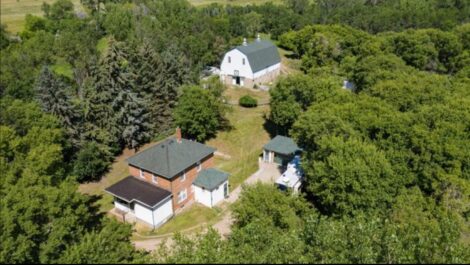
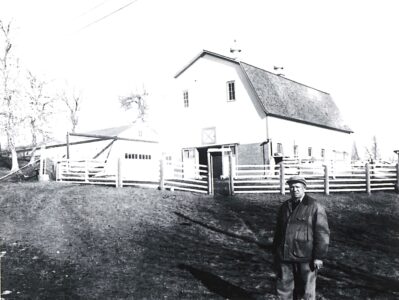
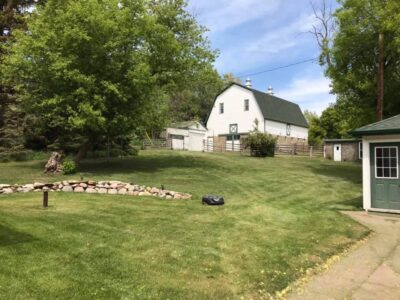
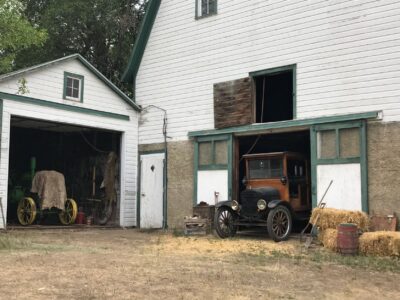
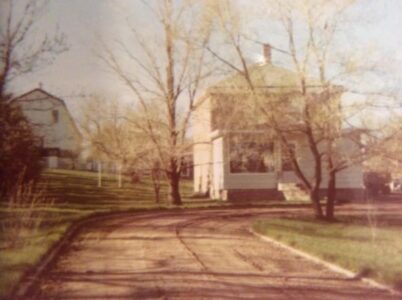
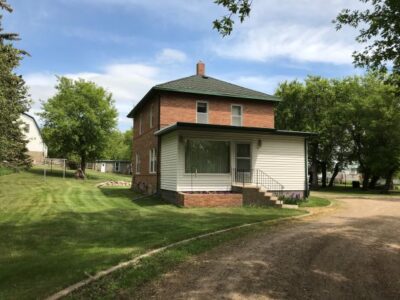
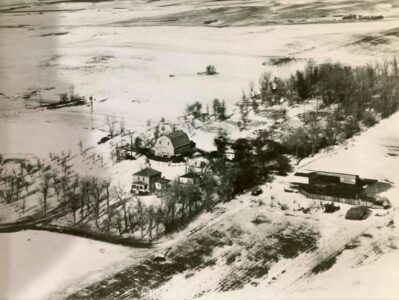
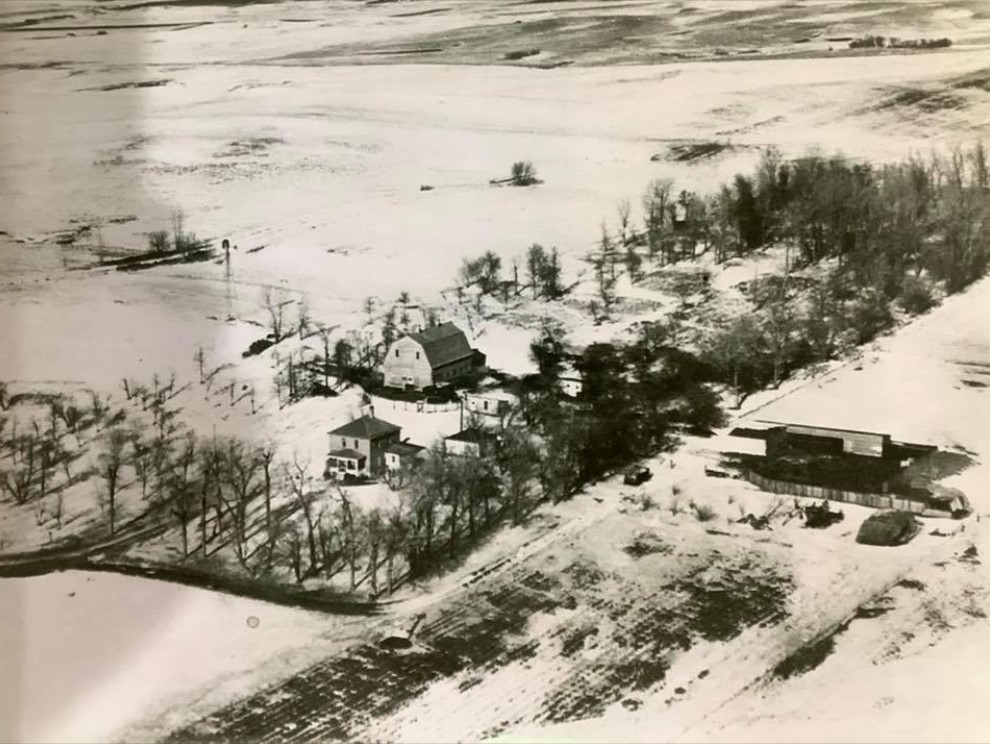
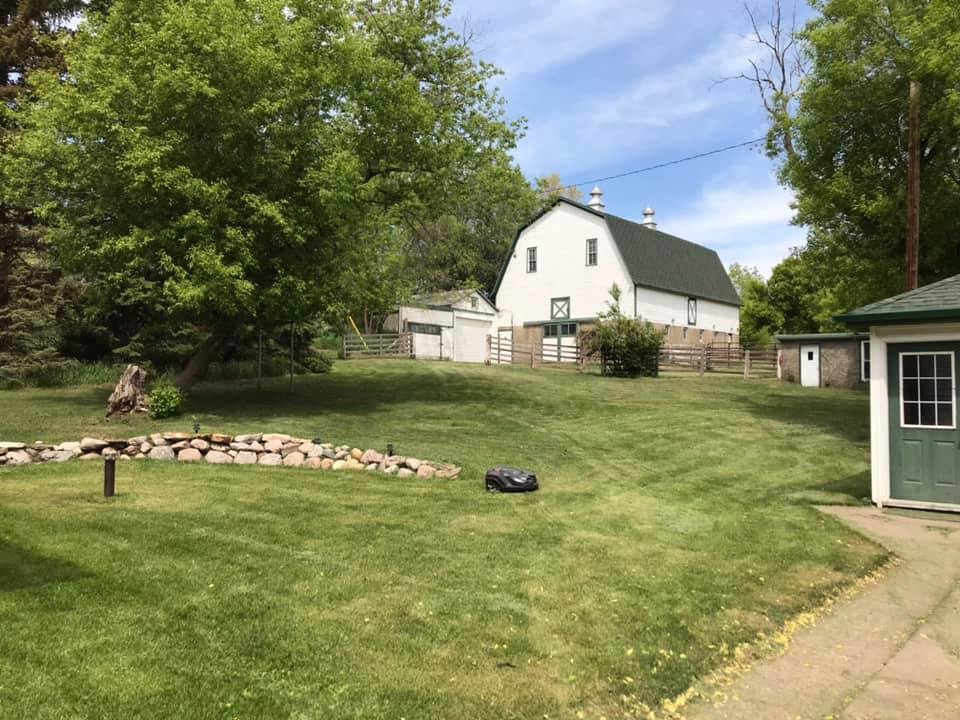
JB Racek starts construction on the brick prairie square farmhouse, barn and outbuildings. Being in the middle of a forest, the farmhouse was built with hollow terracotta clay tile in lieu of woodframe construction (likely due to its fire resistance). It was one of likely less than 1% of the farm homes of the time known to have a “modern home” with running water and electricity. The “running water” was provided by the windmill up on the hill which ran down to the barn, house, and orchard. The windmill and cistern are still here. Electricity was provided by a generator which charged glass batteries. A tenant farmer or hired man lived at the farm to conduct the farm operations. The outhouse is the only building not left standing (but will be reconstructed).
I have been told the farm was designed by N.D. Ag College (later NDSU), which would make sense being Mr. Racek was a busy banker and his kids went to NDAC (one was a president of AGR fraternity and student body president, and Mr. Racek’s daughter went on to teach at NDAC which would be pretty uncommon for a woman at that time). The national land grant school extension programs were new, so there are not many records recorded or kept that would verify NDAC’s involvement. There are elements of the farm, however that mimic the NDAC farm designs of the day. I was told the farm is white/green due to the NDAC influence. These are the same colors as the NDSU Extension research centers.
The Nonpartisain League (NPL), a socialist movement, started in N.D. and spread across the country. Farmers essentially swept the legislature in N.D. and put in place the state bank, mill and elevator. This was done because they felt they weren’t getting fair prices for their commodities. Florence Borner, a part of the NPL propaganda machine (and author of “Modern Poems for Modern People).” is a neighbor and spends much time at the Burnt Creek farm. The Borners didn’t make it farming, and JB Racek purchased their farm in 1921 to add to the Burnt Creek Farm property. The Borners then rented their home back from Mr. Racek.
Late 1920s-early 1930s:
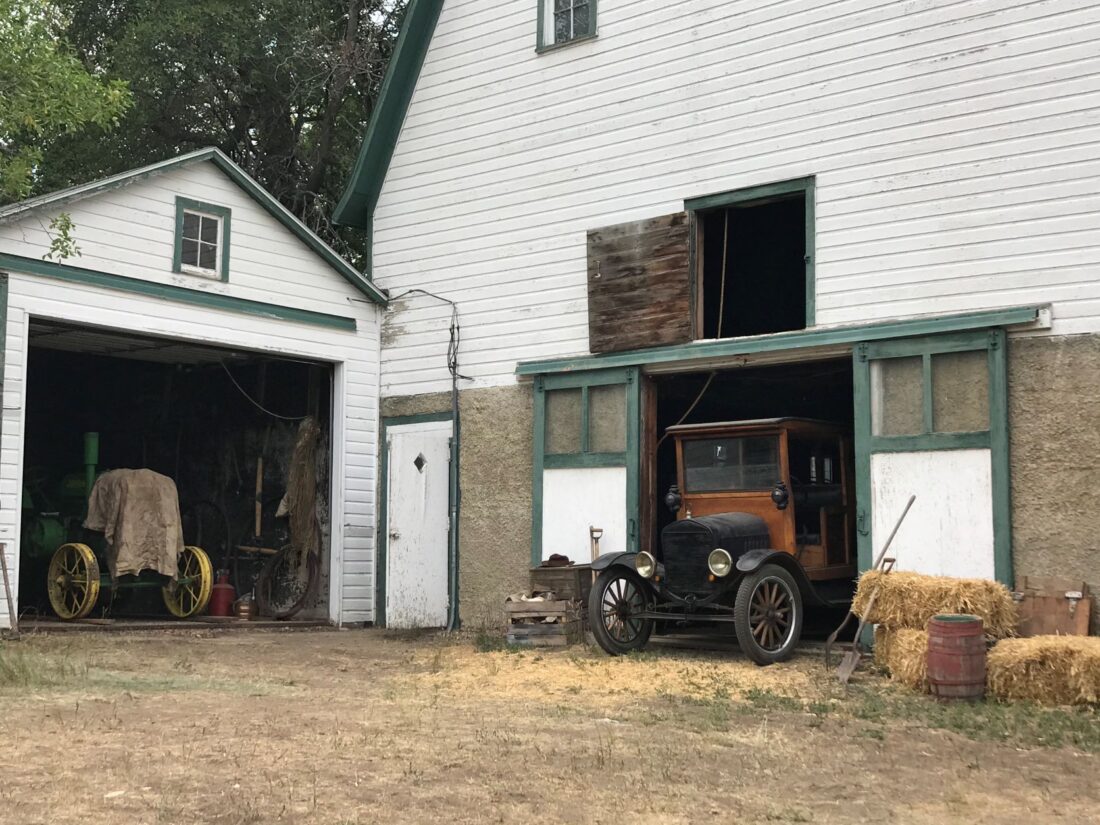
Orchard planted at Burnt Creek Farm (two of the apple trees believed to be from the original orchard are still alive and currently being propagated to repopulate the original orchard).
1950:
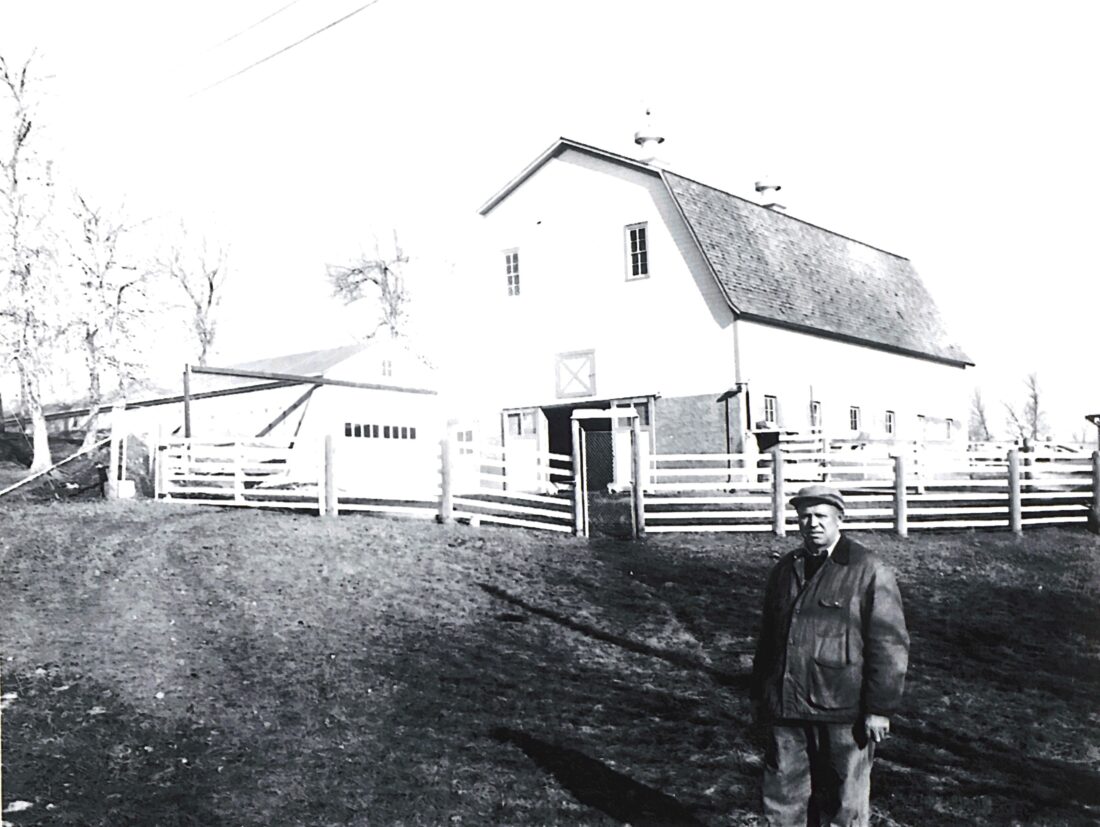
Farm purchased by the Morris family and was later featured in The Farmer newspaper a national/regional publication. It was featured once for the unique trench silo construction, and once for the new kitchen Mr. Morris remodeled for Mrs. Morris (1950s).
1992:
Farm purchased by Fox family.
2019:
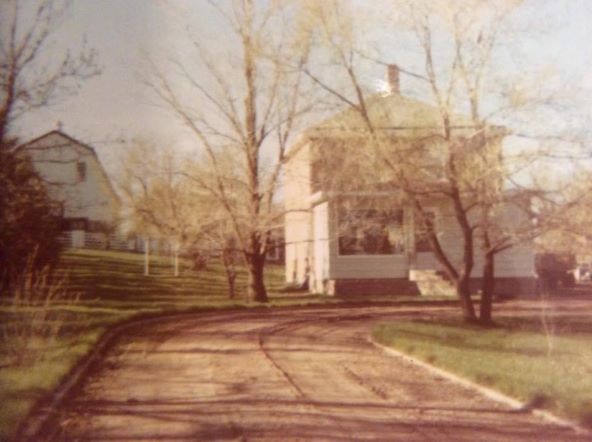
Farm purchased by Dave Lehman.
2021:
Filming for the “End of the Rope” movie at the farm. This is a movie based on the last lynching in N.D. which occurred by Schafer near Watford City.
2022:
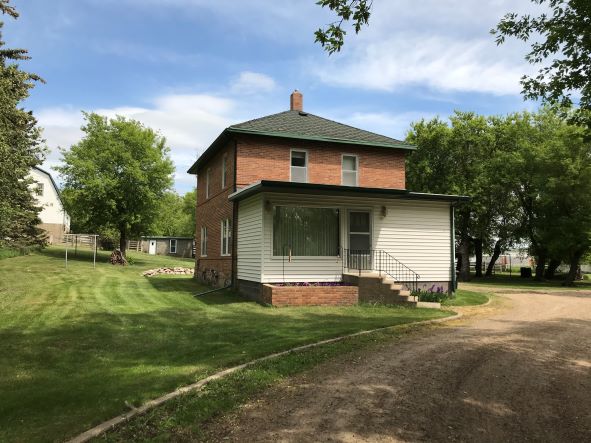
Restoration continues.