Taking look at search for meaning in everyday life

Jessica Johnson
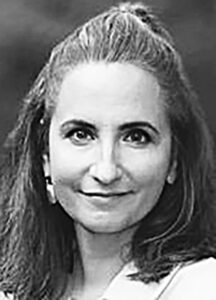
“Mattering: The Secret to a Life of Deep Connection and Purpose,” a New York Times bestselling book by award-winning author and journalist Jennifer Breheny Wallace, has made an instant buzz with readers this year.
“Mattering” was released in January and is getting rave reviews as well as a huge endorsement from public health leader and former U.S. Surgeon General Vivek Murthy. Murthy, who writes about social connection, healing and mental health, stated, “At a time when so many people are feeling invisible, ‘Mattering’ is an essential guide for how to restore meaning, comfort, and joy to our lives.”
The fact that so many feel unseen in an age where our technology can instantly keep us connected just further proves that deeper, meaningful relationships are needed and vital. I have shared with my students that in addition to my generation’s regular in-person interactions with friends and family, one way we also stayed closely in touch with loved ones who lived far away was through letter writing. There is just something about the genuineness and warmth of handwritten words that short text messages cannot exemplify. Letter writing, while considered an antiquated form of communication today, made people feel that they mattered.
In “Mattering,” Wallace focuses on five key points that she believes are essential for helping us establish lives that “(feel) more connected, more purposeful and more deeply lived.” They are recognition, reliance, importance, ego extension and attunement. All these points emphasize our associations with others, the need to feel understood, and the appreciation we receive, which provides us with a healthy sense of well-being. As an older adult now, I have noticed that many of my friends often allude to these views when discussing their “inner circles,” especially regarding recognition and importance, which Wallace stresses as the need to feel cared for. This support has become even more critical at this stage of life, as my friends and I have experienced significant losses, such as the deaths of parents or the passing away of loved ones and family members from terminal illnesses.
Another major topic Wallace addresses in her book that I found very interesting is her assessment of what she calls a “modern mattering crisis.” In this section, she refers to the loneliness epidemic in our nation, depression, political polarization and workplace stress due to the evolution of AI, and how all these factors are heavy burdens that many people carry as they ponder the meaning of their lives. It’s easy to feel like you’re getting, as the old saying goes, “lost in the shuffle,” with the everyday pressing issues that we all deal with. And many people are in a “mattering crisis” mode now due to major life shifts that Wallace references, such as becoming empty nesters when their children leave home, or entering retirement. Younger people are often unsure about which direction they want to take in their lives, with the world becoming, as Wallace describes, “(more cold) and unwelcoming.”
In my personal reflection on Wallace’s discussion here, I began thinking about how I am finding more solace and assurance that my life matters most to God. Wallace does not primarily focus on faith in “Mattering,” as her analysis is more from a psychological and sociological perspective, but she briefly notes that many people find their sense of identity and meaning in their religion.