JD Vance’s support for UAW should surprise no one
At the heart of who the United Auto Workers union members are and what they want are three very American concepts: pride in their work, the ability to navigate an economy that is working against them, and a government strong-arming a prosperous and secure future away from them and their community.
Wednesday, the one-month-old strike against all of the “Big Three” American automakers (Ford, General Motors, Stellantis) escalated when more than 8,000 autoworkers walked off work at the Ford Motor Company’s truck plant in Kentucky, their most profitable plant. It was a move no one saw coming and likely will have the biggest impact on the historic strike.
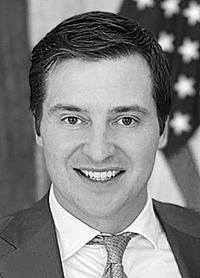
Last week, Sen. J.D. Vance, a Republican who grew up in Middletown, Ohio, visited members here at the Toledo Jeep Assembly Complex who have been on the picket line since the strike began in September.
Vance said it was a no-brainer for him to show up and give his support for the workers here in Ohio, given his roots in Middletown. His grandparents left Jackson, Kentucky, in the 1940s for a better life and the ability to achieve the American dream when his Papaw found work in the Armco steelworks, which eventually became AK Steel.
By the time Vance was born in 1984, Middletown was on the precipice of going from a prosperous industrial town with a robust business district that had flourished since the steel mill opened to the beginning of a free fall. By the time Vance was a teenager, the massive 175,000-foot four-story building and the town were in decay. They were no longer where thousands were employed, and in response, the business district started to shutter, and families moved away.
Vance said watching his hometown decay and the people in the community suffer under the weight of corporate greed formed his worldview.
Vance told reporters at the picket line it was important to be here and listen to their stories.
Vance said it was important to show up and support the workers but even more important to take stories he heard and apply them to his job in Washington.
Vance said the UAW workers message was pretty simple. “Ten years ago, the auto industry was in a state of crisis; they took it on the chin, accepted lower wages so the industry could prosper. Now that the industry is prospering, it’s fair for us to share in some of the gain and I think it’s totally reasonable.”
Vance said most of the people he talked to on the picket line said they could not afford the very cars they were making.
As for Washington, Vance said the thing he can take back most to the U.S. Capitol is there has to be a resolution that benefits the workers, and this strike needs to end.
Before Wednesday’s walkout in Louisville, Ford’s largest plant and one of the largest auto plants in the world, the union had excluded Ford plants when the pop-up strikes expanded after Ford indicated it was dedicated to reaching a deal with the UAW.
Ford, in a statement, held nothing back, saying the UAW’s move was “grossly irresponsible but unsurprising,” and they insisted they had made an offer to the UAW that showed a “positive difference” for their members.