
Our American Story: Building ND: How newcomers made this place home
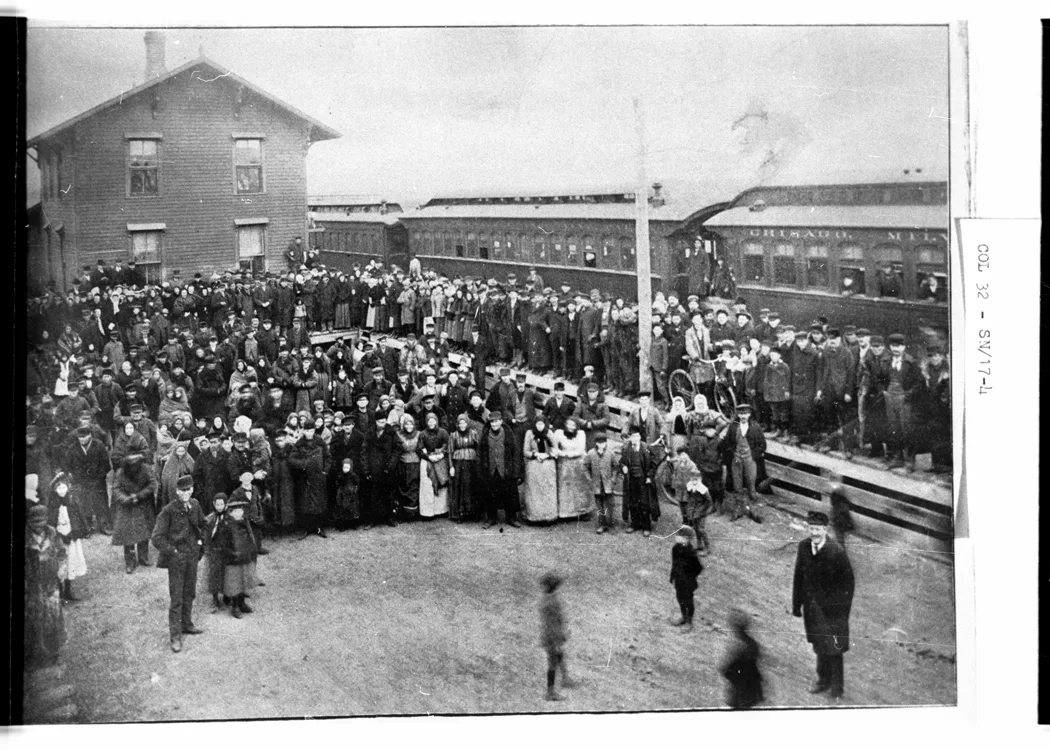
Submitted Photo A crowd of men, women and children gather near the seven-car immigrant train stop. Photo credit: Red ID: PH_I_121163 Image ID: 184729 Image Notes: 00032-SN-17-00004.
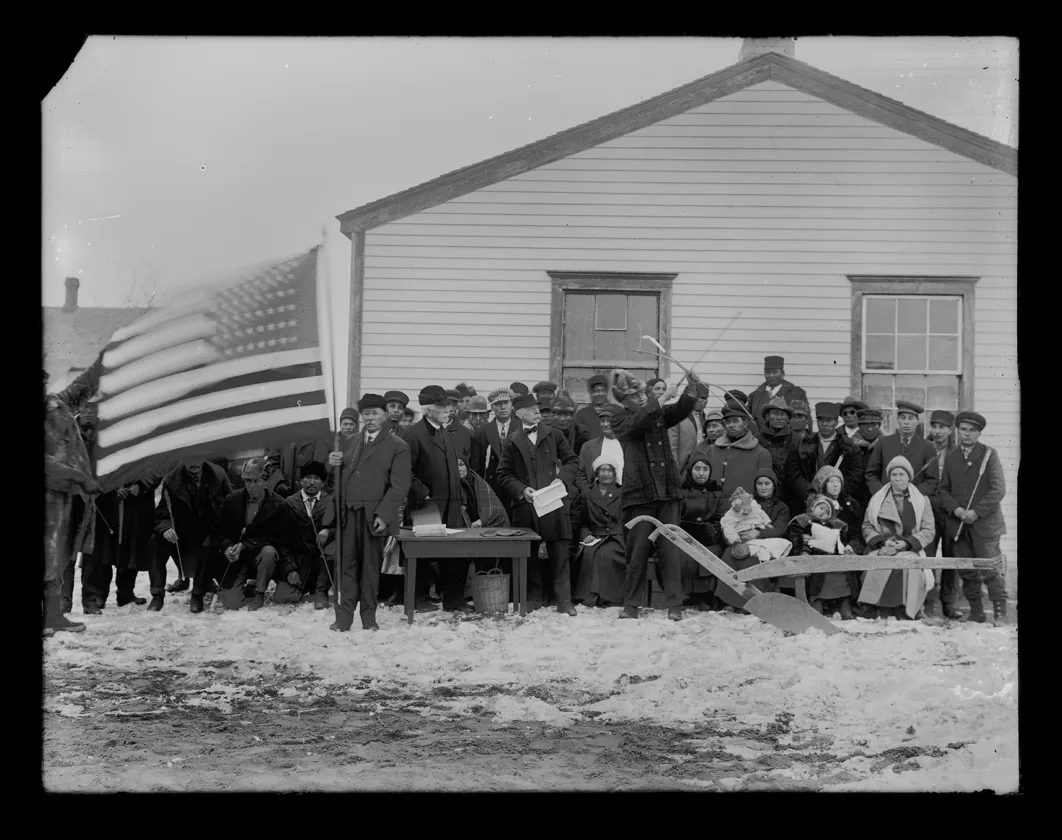
Submitted Photo Shooting the last arrow was part of the citizenship celebration at Fort Yates. Photo credit: Red ID: PH_I_154100 Image ID: 540532 Image Notes: 1952-00372.
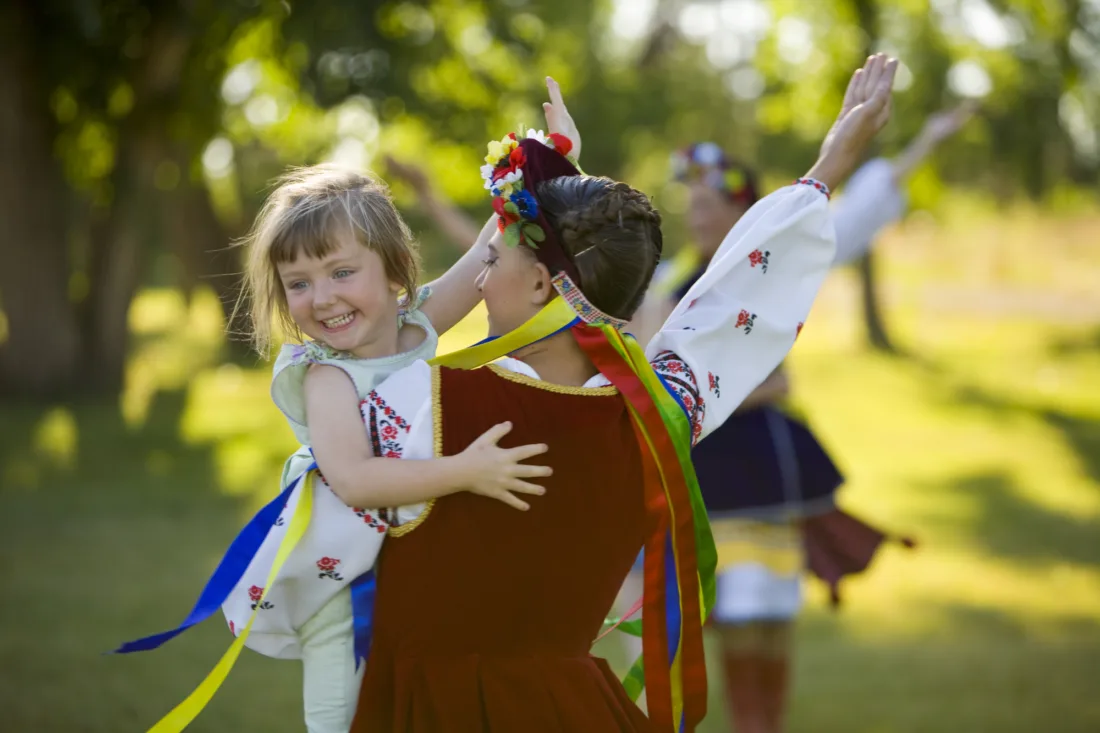
Submitted Photo A dancer performs at a Ukrainian dance event in Dickinson. Photo from North Dakota Tourism.
Submitted Photo A crowd of men, women and children gather near the seven-car immigrant train stop. Photo credit: Red ID: PH_I_121163 Image ID: 184729 Image Notes: 00032-SN-17-00004.
Submitted Photo Shooting the last arrow was part of the citizenship celebration at Fort Yates. Photo credit: Red ID: PH_I_154100 Image ID: 540532 Image Notes: 1952-00372.
Submitted Photo A dancer performs at a Ukrainian dance event in Dickinson. Photo from North Dakota Tourism.
Trending
Throughout 2026, the ND250 Commission, administered by the State Historical Society of North Dakota, is leading the state's commemoration of the 250th anniversary of the founding of the United States. Through meaningful, inclusive, and inspiring projects and events, the commission celebrates North Dakota's rich history, diverse people, and bright future while honoring the state's heritage, individual values, and spirit of community.
Why does North Dakota celebrate Norwegian festivals, German-Russian foods, Icelandic traditions, Ukrainian heritage, Native American powwows, and dozens of other cultural celebrations every year?
Because North Dakota wasn't built by one generation or by one culture. It was built by thousands of people who arrived here from different places at different times, carrying different traditions but sharing many of the same hopes. They wanted the opportunity to build a better life, contribute to their communities, and leave something meaningful for those who came after them.
For thousands of years, Indigenous people lived, traded, governed, and built relationships across the northern Plains. Extensive trade networks connected communities across what is now North Dakota and beyond, making this region a place where people, ideas and cultures met long before European settlement.
One of the earliest examples was Pembina, among the oldest continuously occupied communities in the Upper Midwest. Later, places like Fort Union became remarkable crossroads of culture and commerce where Indigenous nations, Metis families, French Canadians, British traders, new Americans and other travelers exchanged not only goods, but languages, customs and knowledge, highlighting that North Dakota has been a place of cultural exchange far longer than it has been a state.
That trade and migration was a new chapter driven by railroads, homesteads and opportunity.
During the late 19th century, railroad companies advertised the fertile lands of Dakota Territory across Europe, and the Homestead Act encouraged families to claim land and build new lives. Thousands answered the call.
Norwegians, Germans, Germans from Russia, Ukrainians, Icelanders, Swedes, Czechs and many others came here and invested in farms, businesses, schools, churches and towns. Entire communities often reflected the cultures of those who settled there, shaping local customs that remain visible more than a century later.
Today, visitors travel from across the country to experience ethnic celebrations. Locals and expats argue over the best German sausage, and community museums like the Ukrainian Cultural Institute in Dickinson preserve stories of the people who built our state. Foods like kuchen, lefse, knoephla soup, fleischkuekle and borscht have become part of North Dakota's identity while blending with changing cultures.
Throughout the 20th century, new arrivals continued to strengthen the state. Military families stationed at Grand Forks and Minot Air Force Bases became part of local communities. Students came to North Dakota's colleges and universities. Workers arrived to support agriculture, healthcare, manufacturing, and recent energy development and emerging technologies.
Although every journey has been different, the pattern has remained remarkably consistent. People arrive. They become neighbors. They build businesses. They volunteer. They raise families. They lead schools, churches, and community organizations. Eventually, they become part of North Dakota's story.
Each generation has added something to the place they call home. New traditions joined old ones. New ideas strengthened communities. Today net migration means our state continues to grow; experiencing five years of consecutive growth and a nearly 15% population increase over the last decade.
As we commemorate America's 250th anniversary, North Dakota and every state that makes up our nation reminds us that communities are built over time. They evolve when people are willing to brave new frontiers, invest in place, contribute their talents, and work alongside their neighbors for a better future.
Whether your family or neighbor has lived in North Dakota for thousands of years, arrived as an immigrant homesteader in the 1880s, planted roots after military service, followed the oil boom, or settled here within the last year, each resident is part of North Dakota's American story.
As part of ND250, North Dakotans are invited to discover the many stories and people that shaped our state and communities. Visit the North Dakota Heritage Center & State Museum to learn more about our history and experience the ND250 exhibit. Or take a day trip to New Town to the MHA Interpretive Center to learn about Native American culture, head to Rugby to the Heart of America Germans from Russia Heritage Center, or visit Minot's Scandinavian Heritage Park. Better yet, talk with a neighbor about their family journey, explore your own family history, and celebrate traditions that continue to make North Dakota a welcoming place to call home.