
No-Till November highlights keeping soil covered
Trending
As producers across North Dakota wrap up harvest and prepare for winter, Natural Resources Conservation Service is recognizing No-Till November, a month-long effort to raise awareness about the benefits of reducing soil disturbance and keeping living roots and crop residue on the land.
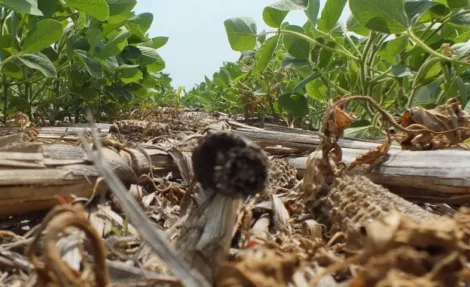
No-till farming is a conservation practice that allows producers to plant crops with minimal soil disturbance. Instead of plowing or tilling fields between growing seasons, crop residue remains on the soil surface, helping protect and improve the health of the land.
“Healthy soil is one of a producer’s most valuable assets,” said Jordan Thompson Larson, NRCS state soil scientist for North Dakota. “No-till systems help build soil structure, reduce erosion, improve water infiltration and support long-term productivity. No-Till November is an opportunity to recognize the farmers and ranchers who are investing in the future of their operations through conservation.”
North Dakota producers often face challenges ranging from intense rainfall events and wind erosion to periods of drought. By reducing soil disturbance, no-till systems help protect soil from erosion while increasing the soil’s ability to capture and store moisture. These benefits can improve resilience during dry conditions and reduce runoff during heavy precipitation.
No-till is one of several soil health management practices promoted by NRCS. When combined with practices such as cover crops, crop rotation and nutrient management, no-till can help improve soil organic matter, increase biological activity and enhance overall soil function.
"Healthy soils support productive agriculture while delivering environmental benefits, including improved water quality, reduced sediment loss and enhanced wildlife habitat," said Thompson Larson.
Many producers who adopt no-till systems report long-term benefits beyond soil health, including fewer field passes, lower fuel consumption and reduced equipment wear. While transitioning to a no-till system may require management adjustments, NRCS conservation planners work with producers to identify approaches that fit their operational goals.
NRCS provides technical and financial assistance to help producers implement conservation practices through a variety of voluntary programs. Producers interested in learning more about no-till systems or other soil health practices can contact their local USDA Service Center.