
Delivery of NAWS water to Minot delayed
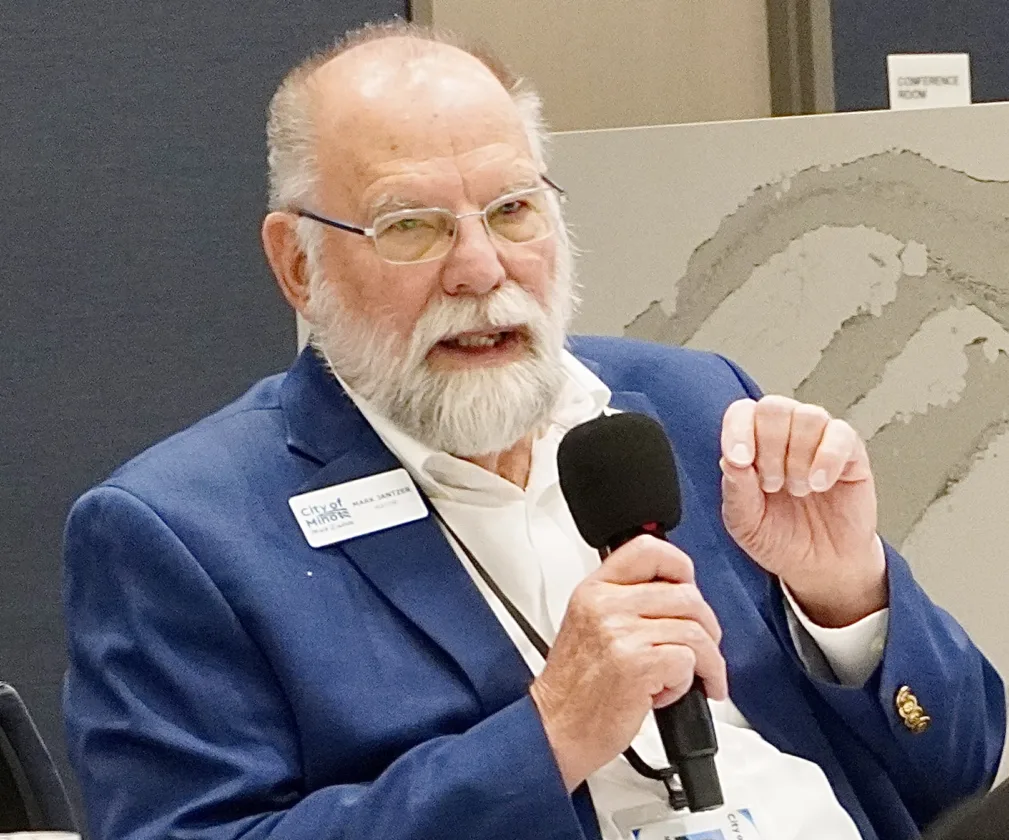
JILL SCHRAMM/MDN Mayor Mark Jantzer speaks about the Northwest Area Water Supply project at a water topics session of the Minot City Council Monday, Nov. 2.
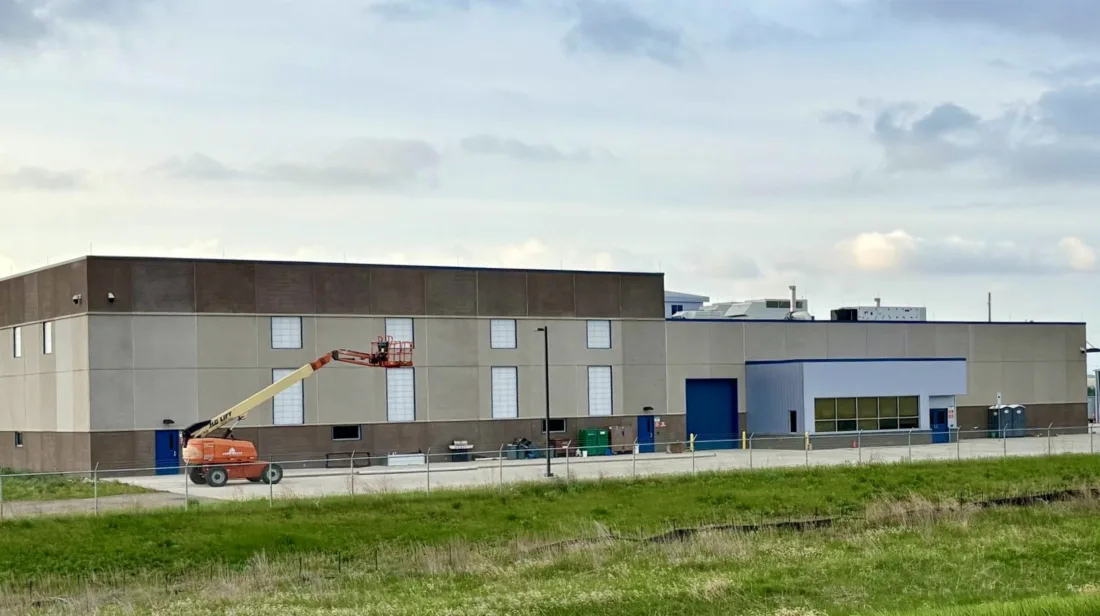
MDN File Photo The NAWS biota treatment plant at Max, shown May 31, has had some construction delays related to underdrain filters,
JILL SCHRAMM/MDN Mayor Mark Jantzer speaks about the Northwest Area Water Supply project at a water topics session of the Minot City Council Monday, Nov. 2.
MDN File Photo The NAWS biota treatment plant at Max, shown May 31, has had some construction delays related to underdrain filters,
Trending
A construction problem at the biota treatment plant near Max is delaying the arrival of Lake Sakakawea water to Minot by more than a year, according to information provided to the Minot City Council Monday, Nov. 2.
Minot Utilities Director Jason Sorenson said the plan had been to have Northwest Area Water Supply water flowing to Minot by about June of this year. The water arrival time later was changed to September or October, which also was a timeline missed.
"There have been a number of things that kind of went off the rails with the biota project," he said.
He explained problems started in the fall of 2025 when underdrain filters installed at the biota plant by the original contractor were found to be defective. An independent contractor came in to evaluate the situation.
"The contractor removed the underdrains, replaced them, and then they promptly failed again the first time they tested them in June of this year. So, since June, they've been trying to repair those," Sorenson said.
The State Water Commission demanded the contractor try to find a different underdrain supplier.
"They've now selected this alternate contractor, but the timeline doesn't look great. The last schedule I saw was August of next year to January of '28," Sorenson said. He said the timeline is a conservative estimate, and work could possibly be completed more quickly.
"The new contractors are not necessarily willing to put their neck on the line for something that's not their fault and their problem. They're kind of, of the opinion, 'We will get you filter underdrains that work and we’ll do it on our schedule.' So, there's still some back and forth going between the state and the contractor, but that's the latest on the biota saga that doesn't ever seem to want to end," he told the council at Monday's special water topics meeting.
"There is an effort being made by the board and folks at the Department of Water Resources to push this as much and as hard as they can, but it's a difficult process," Mayor Mark Jantzer said. "One comfort that I have today is that the newly selected supplier of the underdrains is the same supplier that supplied the underdrains for our water treatment plant here."
The NAWS delay didn't sit well with council member Scott Samuelson, though.
"I believe we need to take this more seriously. Every time we ask a question about when we're getting NAWS water, there's laughter. I don't think it's funny anymore," he said.
"The citizens have waited long enough," he added. "I know that we need water up here, but why the city committed to all this stuff to do it when they could have built a plant down by the lake and we'd have been done."
Sorenson said the other remaining work, involving a permanent water intake from the lake, should be completed by midsummer of next year. In the meantime, the system is capable of fully operating with an existing temporary intake.
City Finance Director David Lakefield presented information showing Minot's financial commitment to NAWS totals nearly $128 million so far. If the city sales tax were to pay the 35% local share on remaining costs, the commitment would be just over $47 million. However, Lakefield noted extra federal and state contributions to the project have potential to reduce the local share to $33 million.
Additionally, by excluding biota treatment plant costs, which are supposed to be entirely a federal expense, and potentially excluding reservoirs and booster pump stations that serve NAWS communities other than Minot, the sales tax burden could be reduced even further, he said.