
District 3 GOP candidates eye taxes, spending
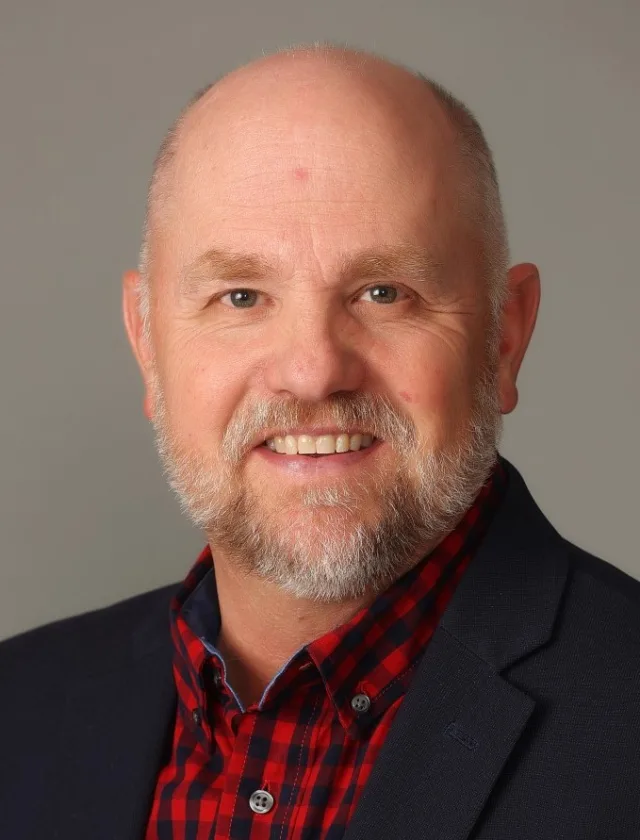
Bob Paulson
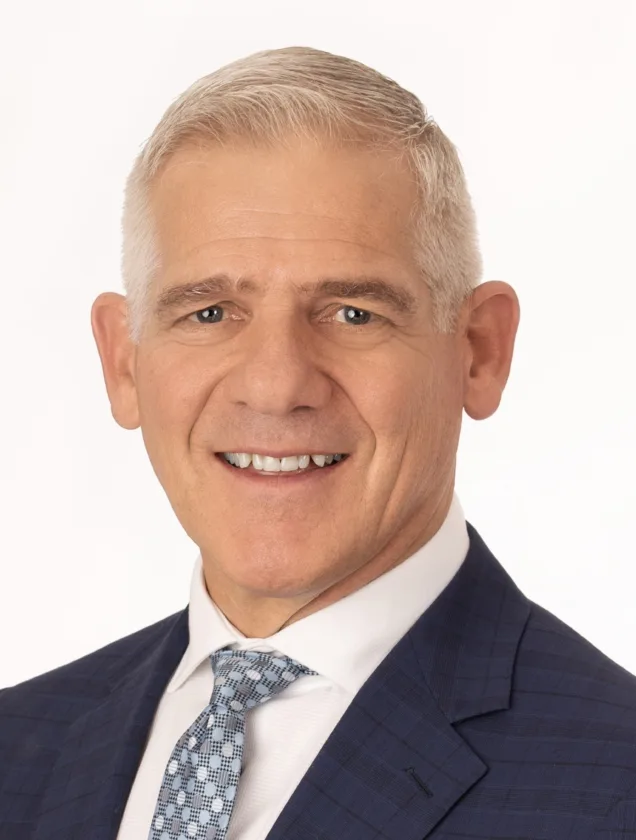
Blaine DesLauriers

Tim Mihalick
Bob Paulson
Blaine DesLauriers
Tim Mihalick
Trending
Preserving North Dakota's primary residence property tax credit while rightsizing the state's budget are two items District 3's Republican candidates plan to pursue if elected to the Legislature Nov. 3.
Sen. Bob Paulson is seeking reelection while Blaine DesLauriers and Tim Mihalick have their sights on House seats after defeating the party's endorsed candidates in the Republican primary in June. They are challenged by Democrats Mike Thiesen of Surrey for the Senate and Natalie Mclaughlin and Tara Hiatt, both Minot, for the House.
DesLauriers and Mihalick, of Minot, have had long careers in banking. DesLauriers recently retired after 46 years. Mihalick also served seven years on the State Board of Higher Education.
A retired Navy pilot, Paulson and his family operate a farm southeast of Minot. If elected, this will be Paulson's final term in the Senate due to term limits.
"I plan for it to be my last term in the Legislature," he said, "and so, you want to continue to fight for the things that you believe in."
The governor's signature $1,600 primary residence property tax credit was one of the best bills to come out of the 2025 Legislature, according to the candidates.
Property tax remains the top issue on constituents' minds as they take their campaign door to door, DesLauriers said.
"I hope that in this upcoming session we can increase that credit," he said. "That, in my mind, is still priority number one."
Mihalick appreciates the Legislature's past work on energy and agriculture and wants to see it carried on to "continue to make us a state that's viable in the country as well as in the world with our energy sources."
He and DesLauriers stressed the importance of state support for a natural gas pipeline from the Bakken to eastern North Dakota, which also would bring more natural gas to the Minot area to support industry such as the proposed pig iron plant.
"There's a lot of good things going on in Minot," Mihalick said. "There's just a lot of things we can set ourselves up for, for the future."
"Probably the most significant thing that we did last session was taking the phones out of the classrooms. I think that was huge," Paulson said of student cell phone restrictions. Although he believes in local decision-making, he said, it was appropriate in this instance for the state to step in and relieve school boards.
On the other hand, the Legislature failed in advancing a proposed military museum without better language in the bill, Paulson said. Construction started, running out of money before completion and forcing the Legislature to address the situation during a special session.
"We're going to have to fix that. That's a building on state property. It's not something we can walk away from," Paulson said.
DesLauriers said the state has been supportive of Minot's water projects but may have missed an opportunity by not bonding for flood protection early on to advance the project more quickly and at less expense .
"I know that's financing, and there's a cost to that. But, I think in the long run, we would have been money ahead because we would have saved money on the construction costs," he said.
If the Legislature made a misstep, it was in failing to address the school meals issue statutorily, which led to the constitutional measure now before the voters, Mihalick said. The District 3 candidates don't support the measure as a constitutional change, although they said they support increasing the threshold for state aid to cover the cost of school meals for more families.
They support Measure 1, which increases the threshold for passage of constitutional measures to 60%.
Just behind property taxes on constituents' minds is K-12 education, the candidates said. Whether schools need an increase in their funding formula is a question that legislators will need to determine during the next session, DesLauriers said.
Paulson said the 3% cap on property tax levies of political subdivision and the state's spending level will be topics of discussion next session. Gov. Kelly Armstrong directed departments to provide base budget reductions of 3-10% in general fund spending for inclusion in his 2027-2029 budget proposal.
"I very much appreciated the governor's approach out of the gate and the fact that he recognized this is unsustainable because an oil boom is going to become an oil bust. We just don’t know when, and if we continue to grow government, then what are we going to do with property taxes when oil no longer funds it?" Paulson said.
DesLauriers said the Legislature took the right initial steps in using oil revenues to address infrastructure and some immediate needs.
"That's always a good thing if the money is there, but it's not a sustainable way of running a state budget," he said.
Legislators also need to be cautious about the use of the Legacy Fund, Paulson said.
"I would hope that we would always have a tension when we talk about that, and that we're always thinking about: Is this a legacy issue? Does this affect all North Dakotans or does this just affect a niche? And I think that it's always going to be tempting to use that as a slush fund, if you will, and I hope we never go there," he said.
On workforce, Mihalick said the state has a role in supporting higher education to help people finish degrees, gain certifications or accelerate their education, and it can happen without a lot of new facilities and while institution budgets are held in line.
The candidates also say the state needs to take a hard look at programs to support childcare to hone in on those that are working.
"I don't think the answer is throwing more money at it," Paulson said. Let's evaluate now, and let's get feedback from the community. What worked? What didn't? Because we put a significant amount of money towards it, and I'm not sure how good that ROI (return on investment) is on that."