
Council takes stab at process consensus
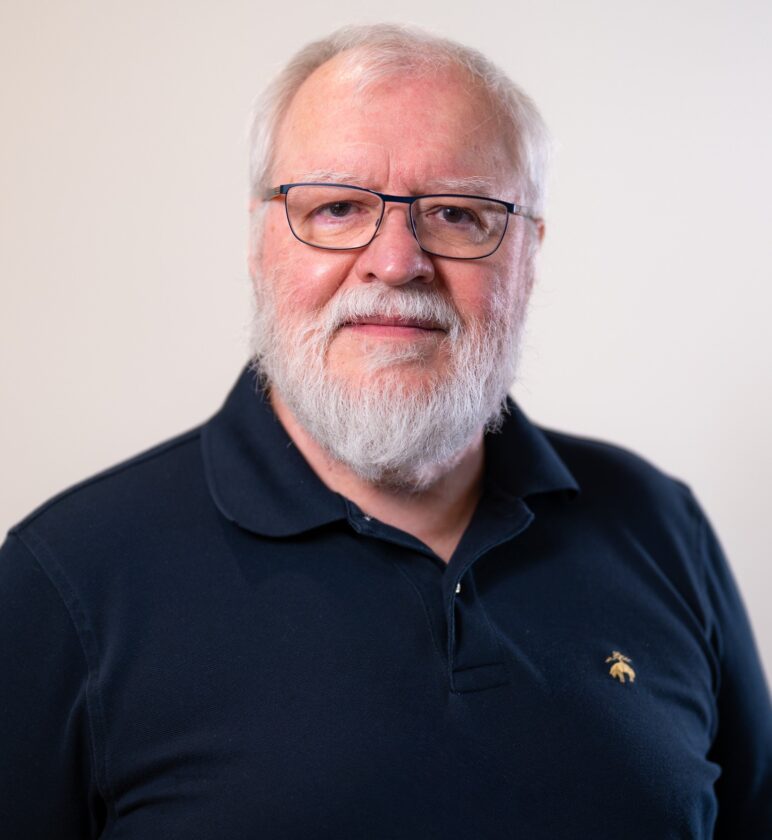
Stephan Podrygula

Rob Fuller
Stephan Podrygula
Rob Fuller
Trending
Minot City Council President Stephan Podrygula described his Aug. 27 budget recommendations as an effort to arrive at a shared understanding and consensus.
On Monday, Oct. 5, the council took up the list of 13 items, passing some, rejecting most and rarely doing it with consensus.
"I wanted to overcome, or try to overcome, some of the polarization," Podrygula told the council. "I wanted, number two, to go beyond a lot of four-to-three votes.
"We govern as a council, as a unified body, and I wanted to see if we could come up with an agreement, a consensus on the process," he added. "To me, the big picture is what really counts here, and I’ve not been satisfied with what we've had in the past. So, that's why I came up with this document."
Podrygula's first resolution to hold a council retreat this fall proved unnecessary. A plan for a fall retreat already exists.
The council passed four of Podrygula's resolutions.
A resolution asking the city manager to develop a management model passed 4-3 with support from Mayor Mark Jantzer, Eric Locken, John MacMartin and Podrygula.
Another resolution sought to set fees and charges based on actual cost of delivery. Disagreement about the necessity of the resolution led to a split 4-3 vote, with Jantzer, Locken, MacMartin and Podrygula voting in support.
A resolution proposing that the yearly budget reflect the cost of delivering services was approved 4-3, with Jantzer, Locken, MacMartin and Podrygula in support.
A final resolution asked for strong lobbying for increased state and federal funding for the Northwest Area Water Supply project and flood protection. The resolution passed 6-1, with dissent from MacMartin.
Most resolutions failed to get traction and for a variety of reasons. Council member Mike Blessum stated he would be voting against most of the proposed resolutions because he believes the council needs to first hold its retreat.
Podrygula's resolution calling for the mayor, council and city manager to jointly develop priorities for the city manager to work toward raised questions about micromanaging the city manager and about whether agreement can be found on priorities.
"We can set all the priorities we want," Blessum said. "The next couple of years are going to be very, very budget focused. We are in a precarious position. I want everybody to understand this. We spent $2 million in reserves. We increased property tax over $3 million with this (2027) budget. We moved $2 million from economic development funds to help support the budget. That is not sustainable with current spending."
"Our priority is fixing our budget, delivering the best services that we can to the people of Minot at the lowest price. Those are the top three priorities," council member Rob Fuller added. "It has to be run lean and mean with how we're looking at things for the next two years."
"I don't oppose the idea of cuts, but I think we need to have that overarching set of priorities that we all can sign off on to some degree," Podrygula responded.
Council member Scott Samuelson said his priorities are those of the residents, who want the budget and taxes cut.
"I am not against the retreat. I just honestly don't think it's going to accomplish anything," he said. "From what I've heard so far from this council, there's not going to be much of an agreement on priorities."
The council voted 4-3 to reject the resolution to give the city manager priorities. Supporting the resolution were Jantzer, Locken and Podrygula.
Another resolution asked the city manager to ensure each department develops and implements specific goals and objectives that are measurable. It failed 3-4, with only Jantzer, MacMartin and Podrygula in support.
A resolution encouraging the city manager to continue toward integration and breaking down "silos" within city departments was seen by some council members as micromanaging. The resolution failed 3-4, with Jantzer, MacMartin and Podrygula supporting it.
A resolution asking the city manager and human resources director to develop a performance-based compensation system went down 6-1, with Podrygula dissenting, because it was previously approved and is expected to be part of the 2028 budget.
Another resolution asked the city manager and human resources director to study staff turnover and develop a plan to decrease it. It was noted the city already engages in this activity, but Podrygula sought to have the process enhanced. The motion to reject the resolution passed 4-3 with dissent from Locken, MacMartin and Podrygula.
One resolution asked the city manager and human resources director to develop a strategy to improve effectiveness and efficiency by ensuring staff have adequate resources and training, including leadership training. Fuller said he supports the resolution but doesn't feel it is necessary to direct management to do what it already is doing. Podrygula suggested formalizing that work with the resolution. The council denied the resolution 4-3, with Jantzer, Locken and Podrygula voting against rejection.
The vote was closer on a resolution to appoint a committee to review city operations with the goal of achieving effectiveness and efficiency.
"The city manager has already made proposals and we've adopted most of them. But if we want to cut further, I think we need to get our hands on this. I know it's micromanagement, but I don't see how we're going to accomplish that if we don't take some personal role," Podrygula said.
"I think we lean on our city staff and let them do the job that we’ve hired them to do - to find the efficiencies and bring them to us," Fuller said.
The council killed the resolution on a 5-2 vote, with only Podrygula and MacMartin voting to preserve it.
Little support existed for a resolution directing staff to prepare a realistic budget, identifying advantages and disadvantages of recommended expenditures rather than trying to achieve an arbitrary goal, such as a certain mill levy. Podrygula had indicated a desire to withdraw the resolution but the council instead voted it down 6-1.
Support also didn't exist for a resolution asking staff to identify potential revenue generation such as franchise fees or dedicated sales tax for public safety or public works.
"We don't just keep raising the ceiling," Blessum said. "That's the federal government's way of doing this. Let's do it different. Let's work on the cost side for a while."
"We need to look at both sides - decreasing expenses, which I very much agree with, and also increasing revenues if that's necessary," Podrygula responded. "I just don't know that we can solve our financial dilemma by cutting services and taxes."
The council rejected the resolution 6-1.