
Constituent communication is key for District 3 Dems

Michael Thiesen

Tara Hiatt
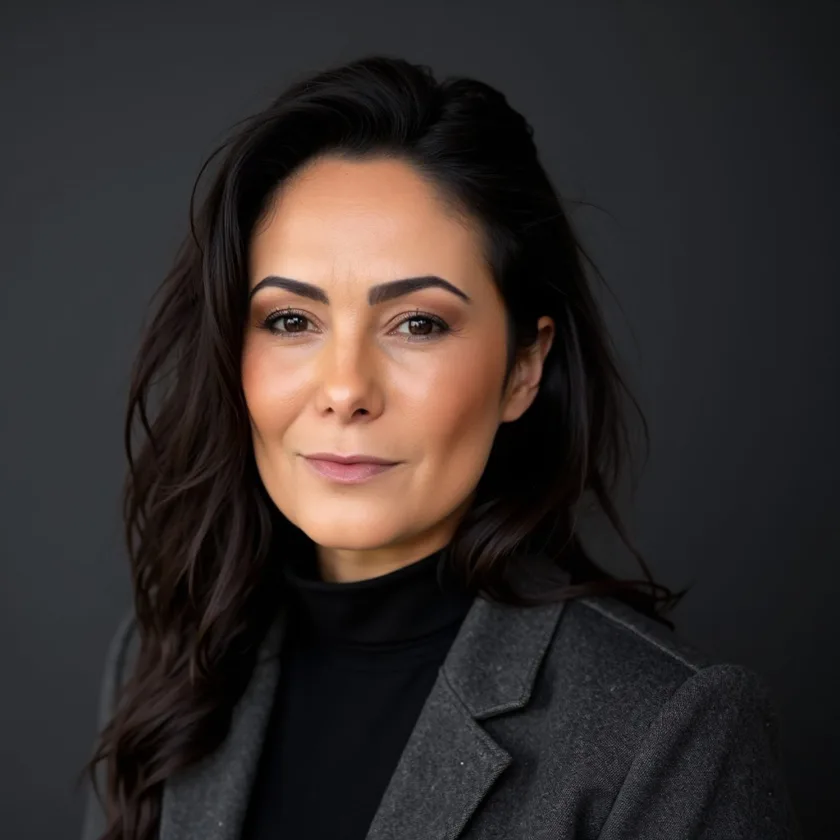
Natalie Mclaughlin
Michael Thiesen
Tara Hiatt
Natalie Mclaughlin
Trending
Democratic-NPL candidates bring new faces and varied backgrounds to the District 3 legislative races to be decided Nov. 3.
Mike Thiesen of Surrey is seeking the district's Senate seat. Tara Hiatt and Natalie Mclaughlin of Minot are running for the House seats. They face Republican opponents Sen. Bob Paulson and newcomers Tim Mihalick and Blaine DesLauriers of Minot.
Now in his second term as Surrey mayor, Thiesen served 3½ years on the city council before his election as mayor.
Employed in the construction industry, Thiesen has formed ideas for spurring housing development in the state after visiting with developers and contractors around the state. One option, a revolving loan fund, would require only a one-time state investment to have an impact over a decade, he said.
Mclaughlin, who grew up in a military family and lived in various states, is a paramedic who has spent the last 16 years serving communities in northwestern North Dakota.
Mclaughlin said she appreciates the state initiating a study on the healthcare provider shortage. She also wants to see more done to keep insurance companies out of decisions between doctors and patients.
"It's a problem that we need to push back on more, and we can. There are other states that have done it," she said.
Healthcare is a complex issue to address, but the new federal grants for rural healthcare aren't the answer, either, she added.
"Throwing federal money at something is a short-term solution. You think it'll help, but not in the long run," Mclaughlin said.
Hiatt, a Lansford native, works for the School of Business, Math and Technology at Minot State University. She previously worked in the Bakken oil field.
Hiatt said she appreciates the work the governor has done to address workforce issues. She would like more work done around childcare shortages and costs to families.
"If you want a large portion of North Dakotans to stay in the workforce, you have to help them out a little bit. It's not subsidizing them, as everyone wants to say. They're working. They want to work," she said.
The district's Democratic-NPL team says it doesn't have all the answers, but the goal is to get answers by talking to constituents.
Thiesen said he's found too little constituent interaction initiated by the district's legislators.
"I want someone in that position that is actually going to represent the people of the district," he said. "You have got to talk to people if you're going to fill that role."
In talking with residents during the campaign, the struggle with affordability has risen as a major concern, Thiesen said.
"People in Minot, specifically, are really worried about taxes," he said. He supports continuation of the annual property tax credit, set at $1,600 during the current biennium for primary residences.
Other concerns he is hearing include renter protections and funding for K-12 education.
Although the pushback would be strong, he said, he would like to see the Legislature be required to fund K-12 and Health and Human Services budgets by mid-session to ensure those large budgets are adequately funded before determining spending for other programs.
"It's the responsible thing to do," he said.
Mclaughlin said she supports incentives, such as childcare assistance and affordable housing, to keep people in North Dakota because she wants to see the state grow and local businesses thrive.
Thiesen shares that position.
"If we as a state want more people in the workforce, we have to find a way to make that happen," he said. "I'm not going to say that I know all the answers. But I do know a lot of people in the industry. I know a lot of parents, and I think if legislators and lawmakers would listen to those people instead of groups of people who think they have all the answers, they could make better decisions. Which goes right back to the fact that you need to represent the people. You need to listen to the people you represent."
Mclaughlin said talking with constituents has produced ideas worth considering, such as a state-run meat-packing facility to help the state's livestock industry and generate revenue.
"I do think that we need to tighten up what we're spending our Legacy money on," Thiesen said. "I don't think it should be used to promote out-of-state businesses to build in North Dakota. I think we can find other revenue streams for those, but the Legacy Fund specifically should be for North Dakotans. It was set aside to help North Dakotans."
Thiesen also would like to see adjustments to the 3% cap on local property taxes, such as exempting law enforcement costs. The rising cost of equipping a police force has consumed most of the City of Surrey's budget and forced both hard decisions around reducing officers and operating on a budget with no room for an unexpected expense, he said. For schools, it means more deferred maintenance, which is an issue the Legislature needs to address through some funding or loan assistance, he said.
Hiatt lists K-12 and higher education, along with childcare, among her legislative priorities. Also, proposals that have a good return on investment for the state would be top of the ticket for the District 3 Dem-NPL team, she said.
Mclaughlin said examining tax breaks to ensure large corporations are paying their share is necessary to avoid burdening residents and small businesses. The Legislature needs to think longer term about growth in the state that will generate more tax revenue, she said.
Mclaughlin and Hiatt also noted the growing concern around data centers, AI and law enforcement surveillance and support a moratorium on data centers.
"Taking out time to really research things and look into this isn't going to cost us opportunities," Mclaughlin said, noting the state will only miss out on potential problems.
Regarding the two measures on the Nov. 3 ballot, Thiesen said he supports the proposal for the state to pay for school meals. If the measure passes, he would like to see the state collect data to measure potential impact on absenteeism, disciplinary actions, attendance and grades.
Mclaughlin and Hiatt have been taking time to make up their minds on the measures.
Hiatt said she agrees with the school lunch measure on principle, but placing the school meal requirement in the constitution requires a conversation about what belongs in that document.
On the fence regarding the measure to raise the voter passage threshold to 60% on constitutional measures, Thiesen said he supports the ability of the electorate to change the constitution. However, he said, like school bond issues that require 60%, certain decisions might warrant larger majorities.