
School District evaluates student needs
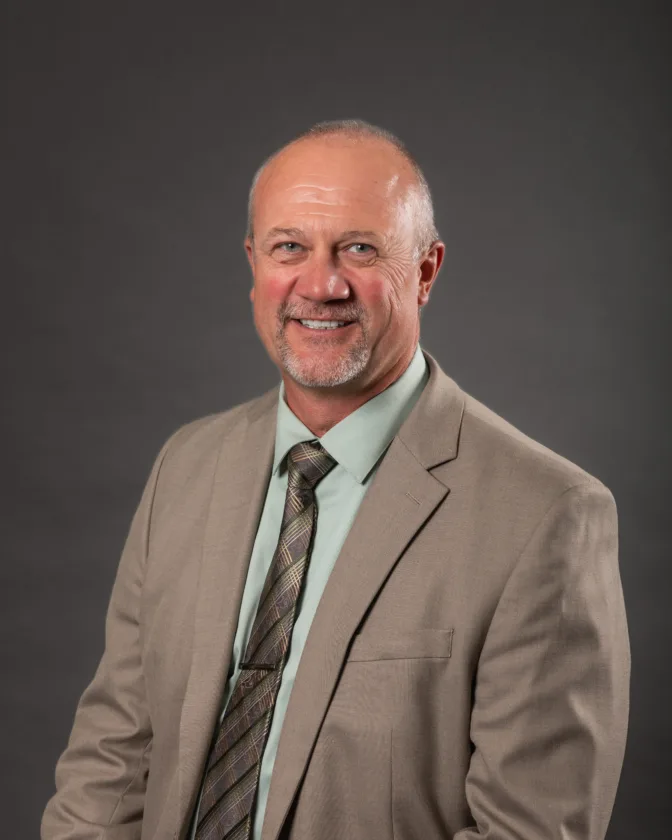
Dr. Scott Faul
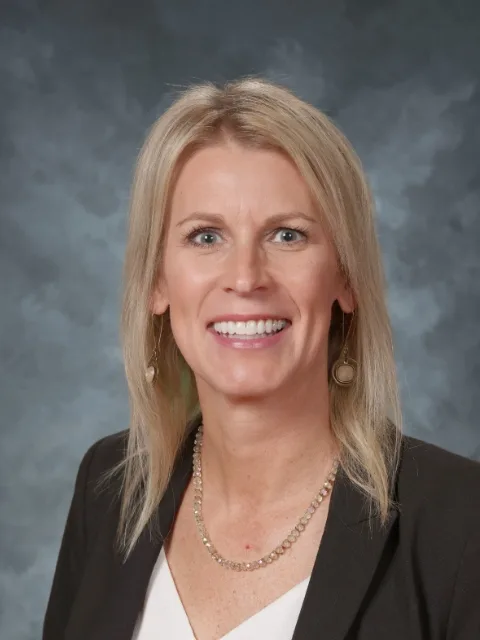
Tara Jordan
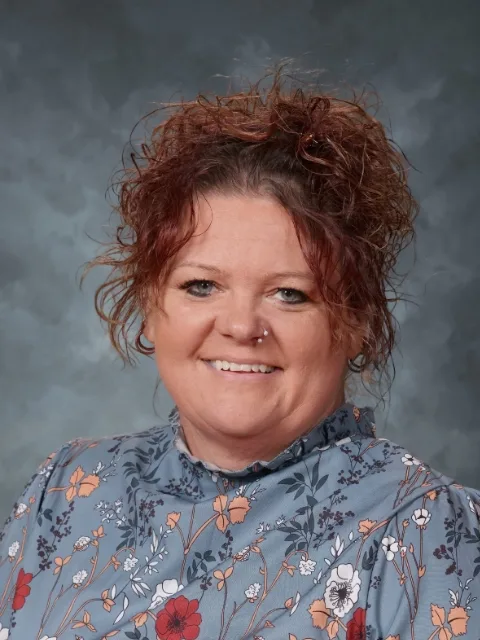
Samantha Jones
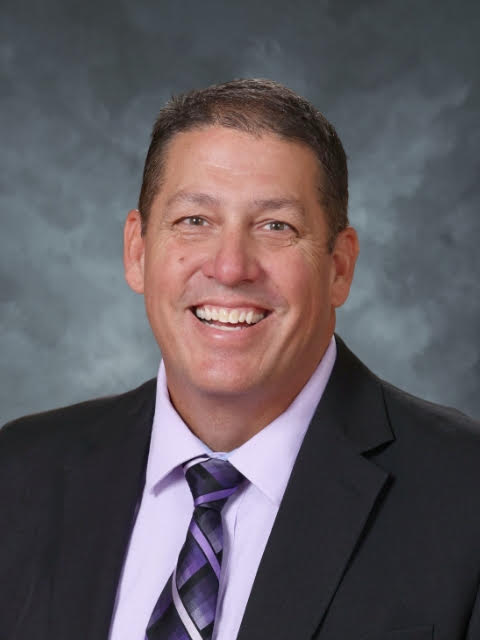
Mike Arlien
Dr. Scott Faul
Tara Jordan
Samantha Jones
Mike Arlien
Trending
Post COVID-19 pandemic, North Dakota is progressing better in academics than other U.S. states, according to the North Dakota Department of Public Instruction (DPI). However, testing scores collected by the state show children are still below pre-pandemic levels.
Local teachers and district administrative staff are implementing new ways to address issues, such as the rise in absenteeism, while adapting to student needs to shape the future of the United States.
"I think one thing that we always have is that the mark is always changing," Dr. Scott Faul, superintendent for the Minot School District, said. "As a state, we've implemented a new state assessment in the last few years. Also the Science of Reading, which is a new curriculum that everybody in our state has. When change happens, it takes a while to get everybody educated and up to speed."
Post-pandemic, students have struggled in math and reading, according to the 2024 National Assessment of Education Progress report. The published data for North Dakota from fourth grader math results were 241 in comparison to 2019's 243, and eighth graders 280, down from 286. Reading scored lower than math with eighth graders in 2024, scoring 257, down from 263.
Fourth grade data from 2019 is unpublished.
"COVID was a major disruption, but we're six years kind of past that point, and attributing every challenge that we've encountered to the pandemic, we just can't do that anymore," Mike Arlien, principal of Jim Hill, said. "Our responsibility is to just make sure we understand what students need today and respond to that. We have some really exciting things happening in the school."
Faul said teachers are coming out of the universities pre-trained in Science of Reading. According to DPI, the project provides opportunities for all teachers to be trained in results-based teaching methods and was implemented in July 2022.
"We've kind of gone through this evolution of starting with vocabulary and phonograms to whole word fluency,” Faul said. “Now we're going back to the phonograms and blending of sounds. The same thing is happening with math, just on a different look. All of that takes some time, and all of that has been post-pandemic. Those changes, I think if you talk to teachers, they always tell me, don't change the mark. Like, if we have a mark and we get years to work at it, we will get there."
In addition to the Science of Reading program, Minot also has programs for students who score low and struggle in certain units of a subject. Taking time away from a class, a student will re-learn the unit with the help of a teacher so they can be caught up in their academics, according to the school district.
Widening the gap in academic performance levels, North Dakota’s persistent absentee problem is affecting student behavior in the classroom, according to Arlien. Faul said while there are students who stay home and use the online tools, there are others who are disengaged completely.
"I think if you look pre-pandemic, that is one area still affecting us as far as attendance. I think one of our challenges is, during the pandemic and after, we put a lot of things online for kids to consume," Faul said. "The online google classroom and posting your lectures and everything. Kids were able to consume that from home. I think that has contributed because kids know "If I stay home today, I can just get the information online." Then we have kids that are totally disengaged."
"We can have the most effective interventions, but we have to really start with getting students through the school doors consistently," Arlien said. "You cannot replace instructional time that a student never received. They can do some things at home, but if they're missing classroom instruction, there is so much that happens within the classroom. I think in Minot, we've taken a really proactive stance in addressing that. We also know the importance that relationships play. Students learn better when they know one adult who knows them. We're working hard on that.
"It's BARR. That stands for building assets, reducing risk, and it's a prediction on building relationships, taking time to meet and really know the kids. Building a sense of community and talking about what students need and what kind of support they need to take care of those problems before they get away. I think that particular model that we are implementing is going to be a difference maker in attendance, which is going to impact learning in academics, which should translate to higher test scores,” he said.
Samantha Jones, Math coordinator, and Tara Jordan, English Language Arts coordinator, both said the best way parents can engage their children to get them ready for the next grade levels is through reading and real life scenarios.
"Anytime that they can read with their kids, the better. Just helping create background knowledge, even if it’s through conversation," Jordan said. "When you're driving down Broadway, instead of having students scrolling on their phone, point out office buildings. Building those vocabulary terms with their students each and every day.”
"Same with math. They can be continually practicing math fluency," Jones said.