
Our American Story: Powering Opportunity: How energy industry shaped ND, nation
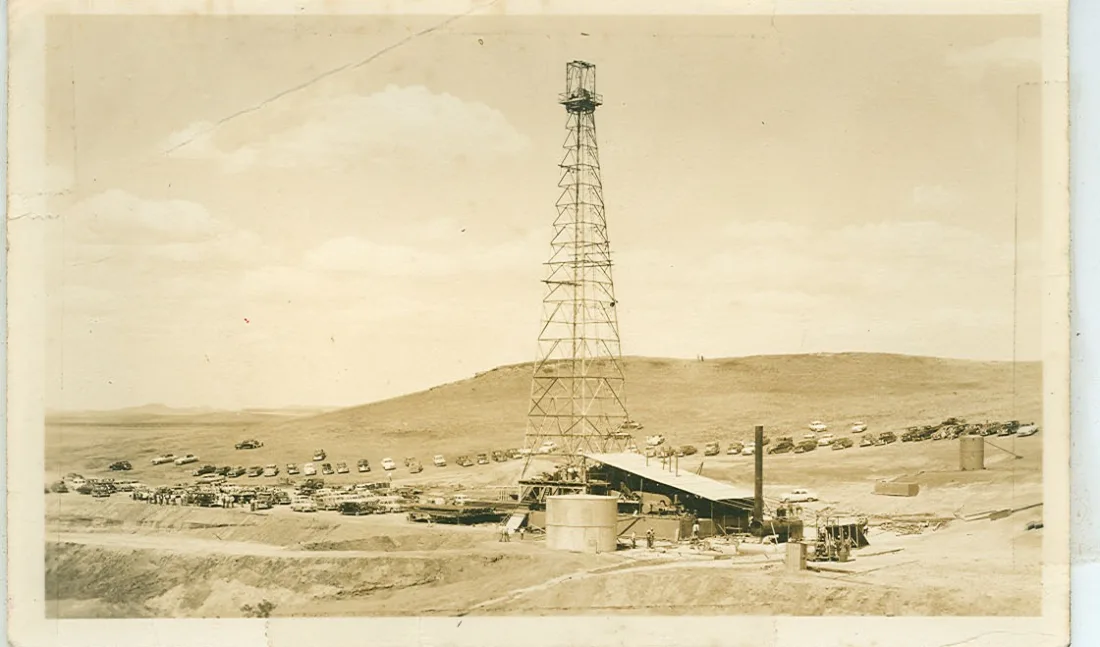
Submitted Photo The Ben Riser well was the first producing well in 1951. Photo from SHSND; 11573-01451.
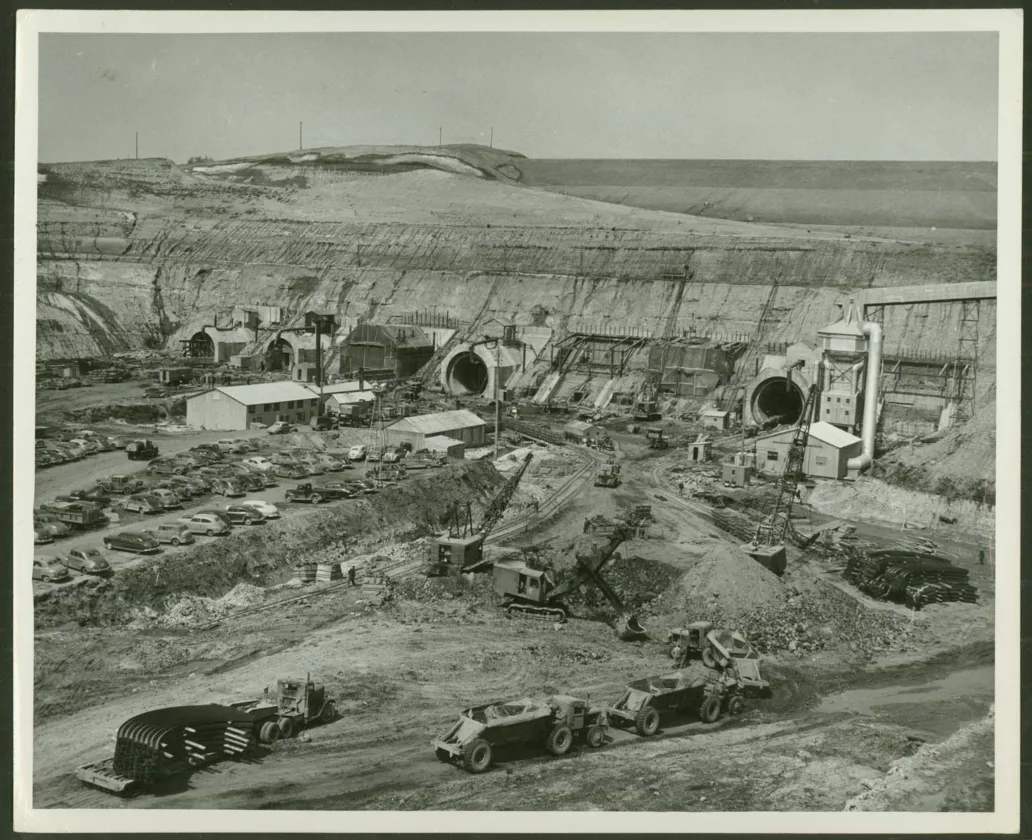
Submitted Photo Garrison Dam construction is shown in 1950. Photo from SHSND; B0810-00001.
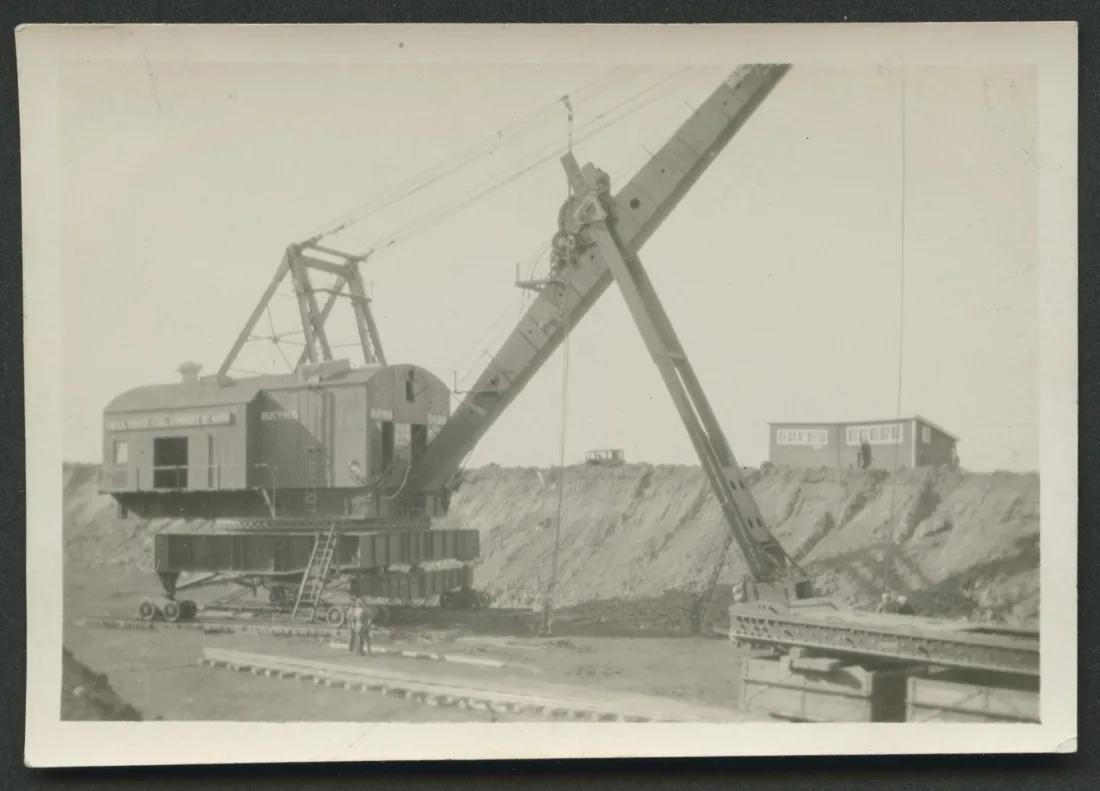
Submitted Photo A coal shovel at the Truax-Trayer Coal Mine is shown in this photo taken between about 1930-1940. Photo from SHSND – 00245-00031.
Submitted Photo The Ben Riser well was the first producing well in 1951. Photo from SHSND; 11573-01451.
Submitted Photo Garrison Dam construction is shown in 1950. Photo from SHSND; B0810-00001.
Submitted Photo A coal shovel at the Truax-Trayer Coal Mine is shown in this photo taken between about 1930-1940. Photo from SHSND – 00245-00031.
Trending
Throughout 2026, the ND250 Commission, administered by the State Historical Society of North Dakota, is leading the state’s commemoration of the 250th anniversary of the founding of the United States. Through meaningful, inclusive, and inspiring projects and events, the commission celebrates North Dakota’s rich history, diverse people, and bright future while honoring the state’s heritage, individual values, and spirit of community.
Few industries have shaped North Dakota as profoundly as energy.
It heats homes through long winters, powers farms and businesses, fuels American industry, and helps North Dakota have one of the nation’s strongest state economies. Energy has created jobs, supported schools and communities, and improved the quality of life for generations of North Dakotans.
Just as importantly, it connects North Dakota’s story to the broader American story.
Long before oil became synonymous with western North Dakota, energy meant lignite coal. North Dakota’s first commercial lignite mine opened in Morton County in 1873. By the turn of the 20th century, dozens of mines supplied fuel across the state. Affordable local energy helped new towns grow and created opportunities for expansion.
Rural electrification is another hallmark of the power of energy in this state.
In 1935, North Dakota ranked last in the nation in rural farm electrification. Most rural families lived without electric lights, refrigeration, modern water systems, or many of the conveniences already common in cities.
That changed when community advocates organized electric cooperatives with assistance from the federal Rural Electrification Administration. Instead of waiting for investor-owned utilities to extend service across sparsely populated areas, North Dakotans built their own member-owned cooperatives to bring electricity to farms and rural communities.
Within two decades, more than 90% of North Dakota farms had electricity. Electricity changed nearly every aspect of rural life.
Today, cooperatives remain a defining part of North Dakota’s energy landscape. Organizations such as Nodak Electric Cooperative, Verendrye Electric Cooperative, Cass County Electric Cooperative, and Basin Electric Power Cooperative continue a model built on local ownership and service to their members. The result is one of the most reliable electric systems in the country, with rural customers experiencing reliability rates approaching 99.99% while enjoying electricity costs well below the national average.
North Dakota’s energy story continued to evolve after the discovery of oil near Tioga in 1951. Advances in horizontal drilling and hydraulic fracturing decades later unlocked the Bakken Formation, transforming the state into the nation’s third-largest oil producer. Today, North Dakota produces roughly one of every 10 barrels of oil produced in the United States.
The impact reaches far beyond the oil patch. Today, the oil and natural gas industry contributes more than 30% of North Dakota’s economy, generating more than $48 billion annually and supporting more than 63,000 jobs. Revenue from energy production has helped fund schools, roads, infrastructure, outdoor recreation and the state's Legacy Fund, which has grown to more than $14 billion to benefit future generations of North Dakotans.
North Dakota’s energy portfolio has continued to expand through hydropower, wind energy, natural gas and emerging technologies. Together, these resources strengthen the state’s economy while helping meet America’s growing energy needs.
Throughout this evolution, one theme remains constant: Energy creates opportunity. It allows communities to grow, businesses to expand, families to prosper and North Dakota to make an outsized contribution to the nation’s economy and energy security.
North Dakota’s energy story reminds us that the United States' progress has always depended on the work of its states and its people. From the first lignite mines to today’s diverse energy portfolio, North Dakotans have helped power homes, businesses, and a nation.
As part of ND250, North Dakotans are encouraged to reflect on the people, industries and communities that shaped the state’s success and to consider how today’s investments will influence the next generation.