
DEA warns parents of online drug sales
Social media becomes new front for drug traffickers
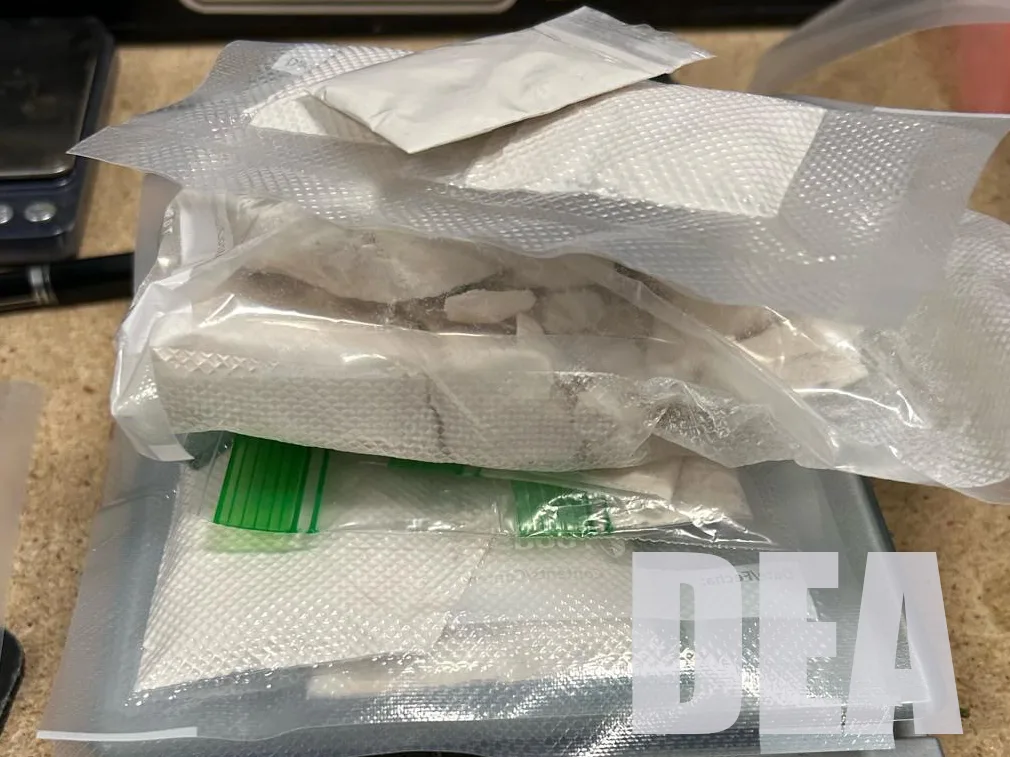
Submitted Photo. Fentanyl seized by the Drug Enforcement Administration is sealed in packages.
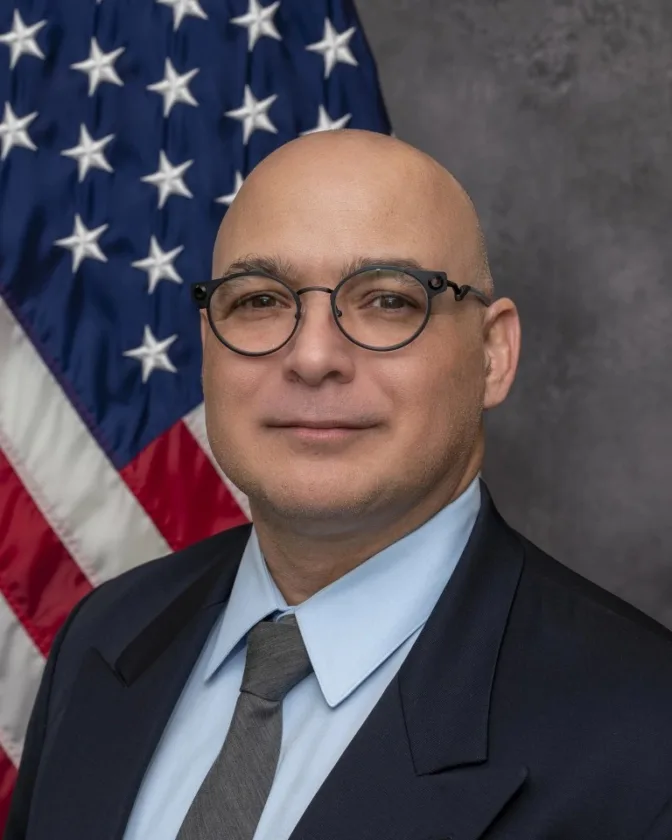
Rafael Mattei
Submitted Photo. Fentanyl seized by the Drug Enforcement Administration is sealed in packages.
Rafael Mattei
Trending
The Drug Enforcement Administration is cracking down on the growing number of drug traffickers on social media that are targeting children and young adults.
The Omaha Division has been working with local law enforcement in its regions to spread awareness, control and stop the illegal activity, while giving parents the tools to control the issue in their own home. Taking care of primarily Iowa, Minnesota, Nebraska, North Dakota and South Dakota, the Omaha Division additionally serves a small number of counties in Illinois and Wisconsin, DEA reported.
According to the DEA, 95% of American teenagers aged 13-17 have access to a smart phone. Furthermore, Forbes has reported 5.79 billion people use social media worldwide, connecting in seconds.
Drug traffickers have taken advantage of the online shift to push and sell illegal substances to children and young adults that often arrive as easily or discreetly as a food and clothing orders, according to Assistant Special Agent in Charge Rafael Mattei. To address the growing predicament, the DEA has created "Hidden on your kids phone," a video series for parents to raise awareness and better equip them to handle conversations with their children.
"We produced and offer these short, to the point videos, and what we want from those videos is to have something the public, mainly parents and guardians of children, can go into and get much needed information about what actually is on the kid’s phone," Mattei said. "It's imperative for parents to be able to understand what’s going on because it may look innocuous to the adults in the room. You have these traffickers that are using social media, using access to that phone to push their products to entice kids. That's why we came up with these little short videos in order to give a lot of resources to the parents."
The video series is free and available at getsmartaboutdrugs.gov.
According to the DEA, the process starts on social media and then is taken to an encrypted messaging app where the conversations are more difficult to track. The transactions are negotiated and completed through online applications and can be sent directly to a child’s house or location of their choice.
Mattei said a simple post that includes a location can be targeted by traffickers who then message or comment on the post with emojis, such as the electric plug emoji that can indicate they sell drugs.
"The social media platforms use geolocations. So, you're out with your friends in Minot and in front of a restaurant, you take a picture or a selfie with your friends; when you upload it into your social media platform, you said you're in Minot," Mattei said. "The picture has the location. Traffickers are using these media applications to target folks. They'll DM you or they'll make a comment on your photo that looks like a plug symbol. They could give you the old 'you know, for a good time, call.'"
In 2023 the DEA reported that seven out of 10 pills that were purchased online had deadly doses. Mattei said that while in 2026 those numbers have been reduced, partly because of their "One Pill Can Kill" campaign, powder drugs have spiked.
"We're seeing that pills, we're seeing less and less of them," Mattei said. "We're seeing more powder fentanyl on the streets than the pills. The traffickers are switching it up and they're using powder fentanyl."
Serving five states in the Midwest, Mattei said the DEA has been dealing with meth alongside the growing fentanyl issue in the region. He added that cocaine is on a slight uptick.
"As much as fentanyl is deadly, we see a lot more meth. That is a huge problem thoughout the whole five state region that we cover," Mattei said. "Meth is something we keep our eyes on. We're constantly trying to intercept it as it’s coming in. We're seeing a slight uptick in cocaine seizes that we've had recently in our region, so that tells us cocaine is trying to make a comeback onto the market. Those are the big three things we see, but fentanyl being so deadly is why we focus on those cases."
If a teenager or child is contacted by a dealer on social media, Mattei said, the first thing they should do is consult an adult. He said the pills and powders are deadly, and the platitude around reporting dealers and traffickers shouldn't prevent a report.
"First thing they should do is talk to their parents. Let them know what's going on. If it's at school, they should talk to their teachers, to their guidance counselor or a school resource officer," Mattei said. "They need to tell somebody. If you see something say something applies. Back in the day, people were scared and they'd say, 'Oh you're snitching.' Listen, these pills, these powders, fentanyl is deadly. Two milligrams fits on the tip of a pencil. It is enough to kill the average adult. If they see anything, they gotta tell an adult."