
Council moves on police station remodel
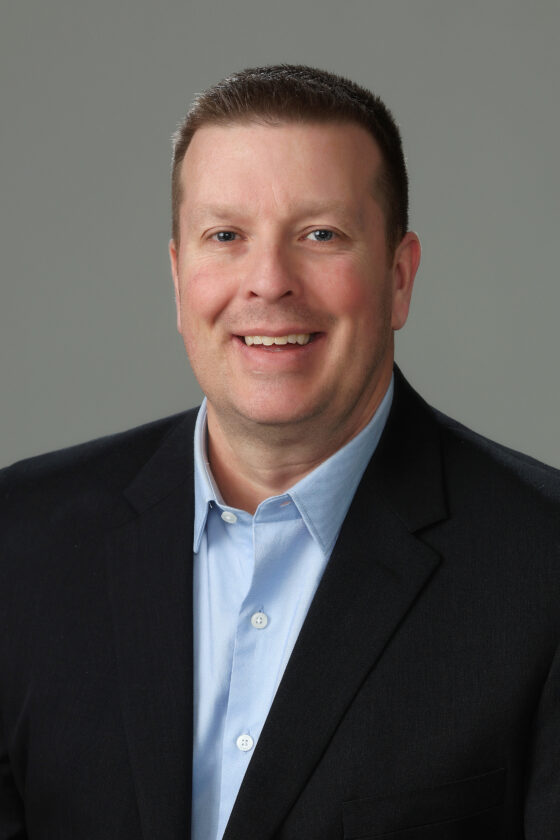
Rob Fuller
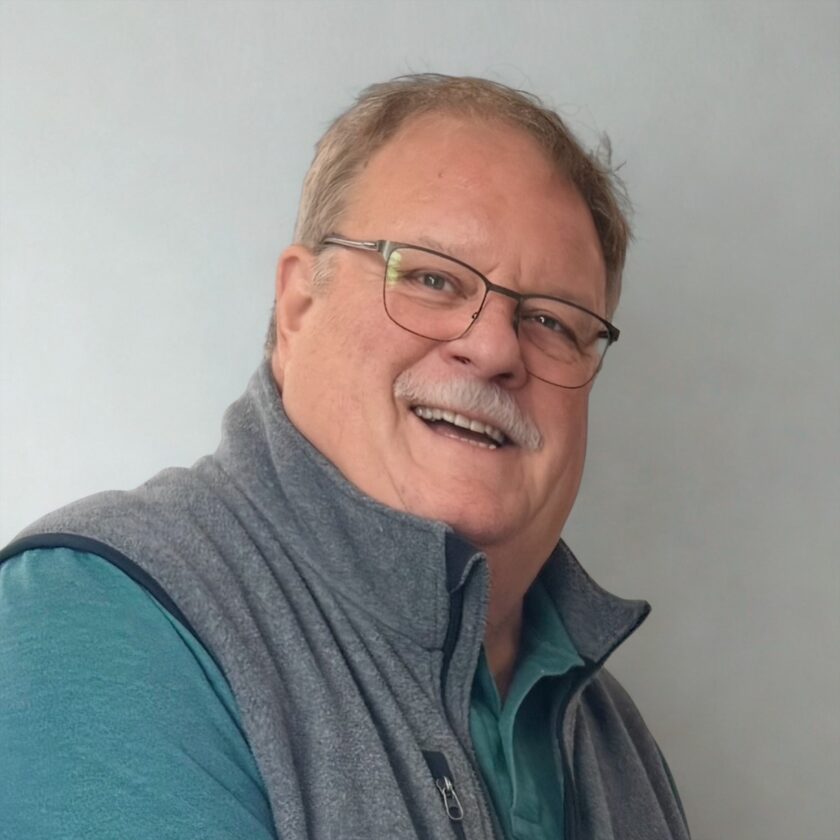
John MacMartin
Rob Fuller
John MacMartin
Trending
The debate was not whether to move forward but how to do it when the Minot City Council took up a revised plan for renovating the Minot Police Station on Monday, Aug. 3.
The council elected to proceed with bidding the first phase of construction, which would address structural concerns and remodel the second floor at a cost of about $5 million with money the city already has set aside. The sticking point is where the next $5 million would come from to continue through the next of the four phases of the project.
Council member Rob Fuller floated the idea to access Minot's economic development fund, the MAGIC Fund, to gain more money to move the project along. Fuller noted the money is "sitting there, doing nothing."
"I don't think it would meet the definitions under the sales tax ordinance to allow that expenditure," Finance Director David Lakefield responded.
"To me, if this isn't economic development, I don't know what is," council member Scott Samuelson said. "Our police department needs this. It needs to be updated, and it's been way too long."
"Primary sector jobs are what those dollars are meant for," council member John MacMartin said. "Primary sector, as defined by the state, is new revenue in the community, not something that exists, not retail, not commercial and, unfortunately, certainly not government services. I'd love to be able to do that for the police department, but that right now is not what primary sector employment is."
"We made the promise that this would be used for economic development or wealth generation," council member Stephan Pdrygula added. "As much as I love the police and their facilities, this is not the wealth generation that the people agreed to." He suggested a public safety sales tax would be more appropriate than using the existing economic development sales tax.
Informed by the city attorney that the council can't change the purpose of the MAGIC Fund, Fuller questioned whether it should go back to a public vote for repurposing.
"That's our only path forward here," he said, noting another sales tax or bonding for the improvements would overly burden taxpayers.
Lakefield said the city's current options are using reserves or bonding, but there is not enough in reserve to fund the entire police station project. Whether there is enough money in reserve to move on to phase two will depend on what happens to that reserve as the council finalizes the 2027 budget, he said.
Podrygula initially moved to bid the entire $21 million project, which would require bonding. Although interest payments would add to the cost, Podrygula said, there would be savings with a single bid. Completing the project in small packages will take longer, have a greater impact on the operations of the police department and lose the cohesiveness in working with a single contractor, he said.
That motion failed.
Samuelson stressed the need for a pay-as-you go plan.
"I will not vote for one that's not paid for ahead of time," he said. "It's a shame that we've come to this, and I know we need to move it forward, but we also have to pay for it without the taxpayers paying millions of dollars in interest."
A motion to advance the first two phases failed 2-5, with only Podrygula and Eric Locken in support. The motion to approve phase one later passed unanimously.
Before the vote, council member Mike Blessum questioned whether the first phase should be adjusted to invest in the officers' well-being by prioritizing remodeling of the fitness facility and locker rooms over remodeling the second floor. Ackerman-Estvold consultants indicated changes would take more study because the phases were designed to maintain operational continuity. Phase one proposes moving Investigations to the second floor, opening up the first floor for the next phase.
Blessum suggested Investigations could move, even if the space hasn't been renovated yet, and work with what is there until remodeling can occur. Deputy Chief Dale Plessas said that was given consideration but the determination was it would fragment operations too much.
Chief Michael Frye discouraged delay to look at new options, stressing that structural improvements, such as roof and HVAC repairs, are the priority.
"The reality is, the building's falling apart," he said, noting the collapse of part of the ceiling and the resulting water issue in his office. "We can kick the can down the road, but that building is going to keep deteriorating, and it's not getting any better."