
Our American Story: Service beyond borders: North Dakotans in uniform
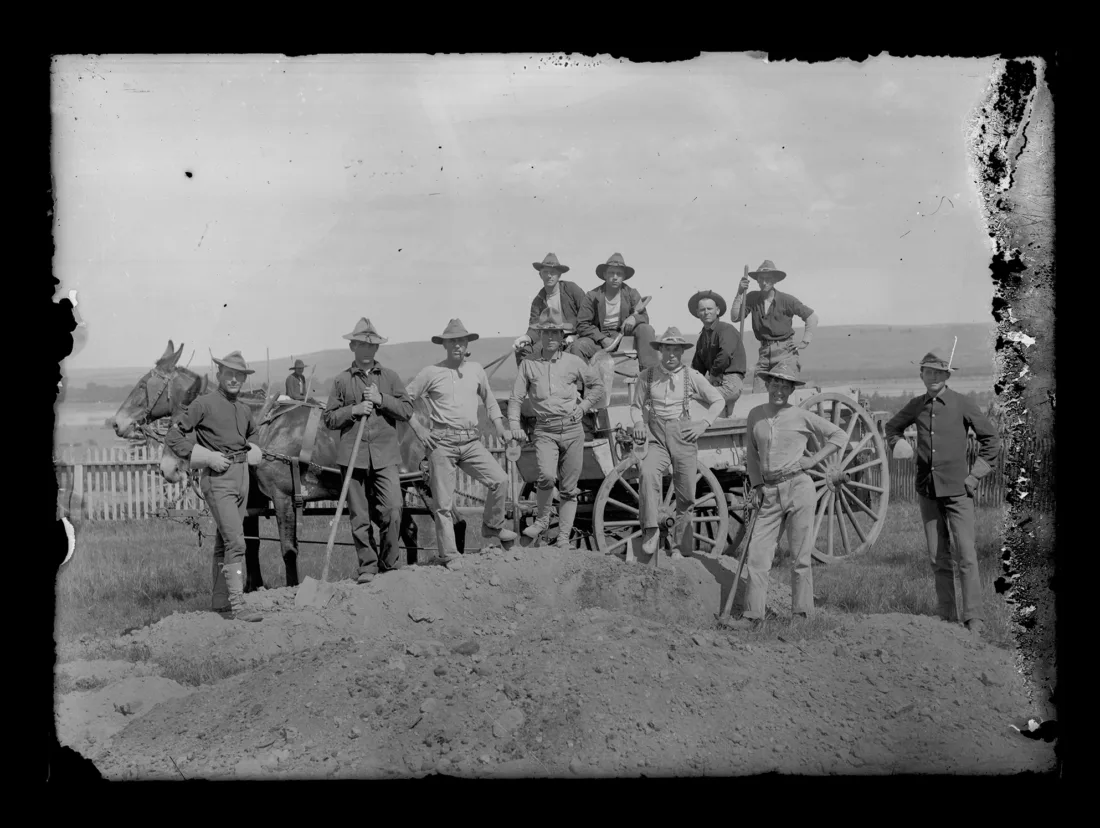
Submitted Soldiers at Fort Yates are shown in this photo. Credit: Collection 1952 - Frank Bennet Fiske - Item 03047.
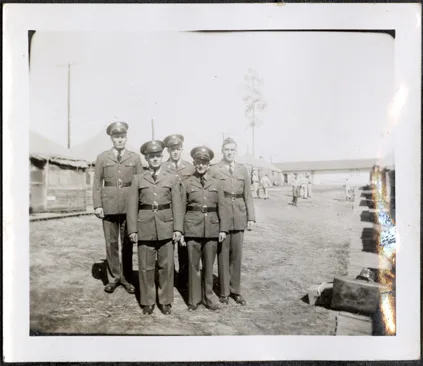
Submitted Photo National Guard members pose for this photo during training in Louisiana. Credit: Collection 11594 - Terrance Nelson Papers - Folder 0001 - Item 00047.
Submitted Soldiers at Fort Yates are shown in this photo. Credit: Collection 1952 - Frank Bennet Fiske - Item 03047.
Submitted Photo National Guard members pose for this photo during training in Louisiana. Credit: Collection 11594 - Terrance Nelson Papers - Folder 0001 - Item 00047.
Trending
Throughout 2026, the ND250 Commission, administered by the State Historical Society of North Dakota, is leading the state's commemoration of the 250th anniversary of the founding of the United States. Through meaningful, inclusive, and inspiring projects and events, the commission celebrates North Dakota's rich history, diverse people, and bright future while honoring the state's heritage, individual values, and spirit of community.
Throughout American history, generations of citizens have answered a call greater than themselves. They left behind farms, businesses, classrooms, and families to serve their country during times of war, conflict, and crisis. Their service helped protect the freedoms and opportunities enjoyed by future generations while reminding us that citizenship carries both rights and responsibilities.
North Dakota's story is no exception.
Although North Dakota did not become a state until 1889, the tradition of military service began much earlier. Long before statehood, soldiers, scouts, and volunteers served throughout Dakota Territory, protecting settlements, supporting expeditions, and helping establish communities across the northern Plains. Military forts, including Fort Union, Fort Abercrombie, Fort Totten, Fort Abraham Lincoln, and Fort Buford, became important centers of defense, commerce, and communication while shaping the development of the region.
As North Dakota grew, so did its tradition of service.
Soon after achieving statehood, North Dakotans volunteered to serve during the Spanish-American War. When the nation entered World War I, thousands of young men and women from communities large and small answered the call once again. Families watched sons, brothers, and neighbors leave by train, uncertain when or if they would return.
The sacrifices continued through World War II, when more than 60,000 North Dakotans served in uniform. They fought in Europe, North Africa, and across the Pacific, while families at home supported the war effort through agricultural production, manufacturing, rationing, and volunteer service. Farms supplied food to troops overseas, and communities organized bond drives, collected scrap materials, and cared for military families. Service extended far beyond the battlefield.
In the decades that followed, North Dakotans continued serving during conflicts in Korea, Vietnam, the Persian Gulf, Iraq, Afghanistan, and other operations around the world. Each generation demonstrated the same willingness to answer the nation's call while representing the values of hard work, resilience, and commitment that have long defined the state.
Military service in North Dakota has never been limited to overseas deployments. Since its establishment in the late nineteenth century, the North Dakota National Guard has reflected the unique tradition of the citizen soldier. Ordinary people who balance civilian careers with military readiness. Farmers, teachers, healthcare workers, business owners, students, and first responders train together, prepared to serve whenever needed.
That service often begins at home.
Throughout North Dakota's history, National Guard members have responded to floods, blizzards, wildfires, and other natural disasters. During the devastating Red River Flood of 1997, National Guard members worked alongside local emergency responders and volunteers to reinforce levees, evacuate residents, and protect communities. More recently, Guard personnel supported public health efforts during the COVID-19 pandemic, assisted with emergency operations, and provided critical resources during statewide emergencies.
These moments illustrate an important truth: service is not measured only by distant battlefields. It is equally reflected in neighbors helping neighbors during times of need.
Military service has also shaped North Dakota long after uniforms are folded away. Veterans have returned home to become involved citizens in their communities.
This tradition reflects a principle that reaches back to the founding of the United States - that the strength of our nation depends not only on its institutions, but on citizens willing to contribute to the common good. North Dakota's history demonstrates that service takes many forms. Some answer the call in uniform. Others serve by mentoring young people, responding to emergencies, preserving local history, or strengthening their communities through volunteerism and leadership.
As the United States commemorates its 250th anniversary, the stories of North Dakota's servicemen and servicewomen remind us that history is shaped by ordinary individuals who choose to place service above self. Their courage, sacrifice, and commitment continue to inspire future generations to lead lives of purpose and responsibility.
As part of ND250, North Dakotans are encouraged to honor those who have served, learn the stories of local veterans, visit historic military sites and museums, and reflect on the many ways individuals continue to strengthen their communities through service today. Select a day trip to one of the following locations to learn more about ND's American Story by visiting N.D. Heritage Museum & State Museum, Fort Abraham Lincoln, Fort Buford Historic Site, Fort Totten, Fort Abercrombie, or pay your respects at the N.D. Veterans Cemetery in Mandan.