
Our American Story: Life on the prairie: Building community in new frontier
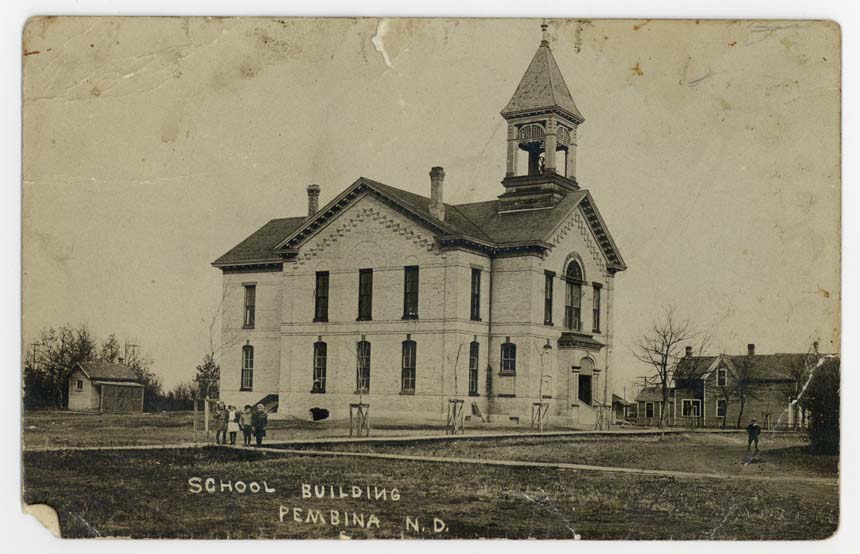
Submitted Photo The Pembina School is shown in this circa 1900 photo. Credit: SHSND – 10737-00108
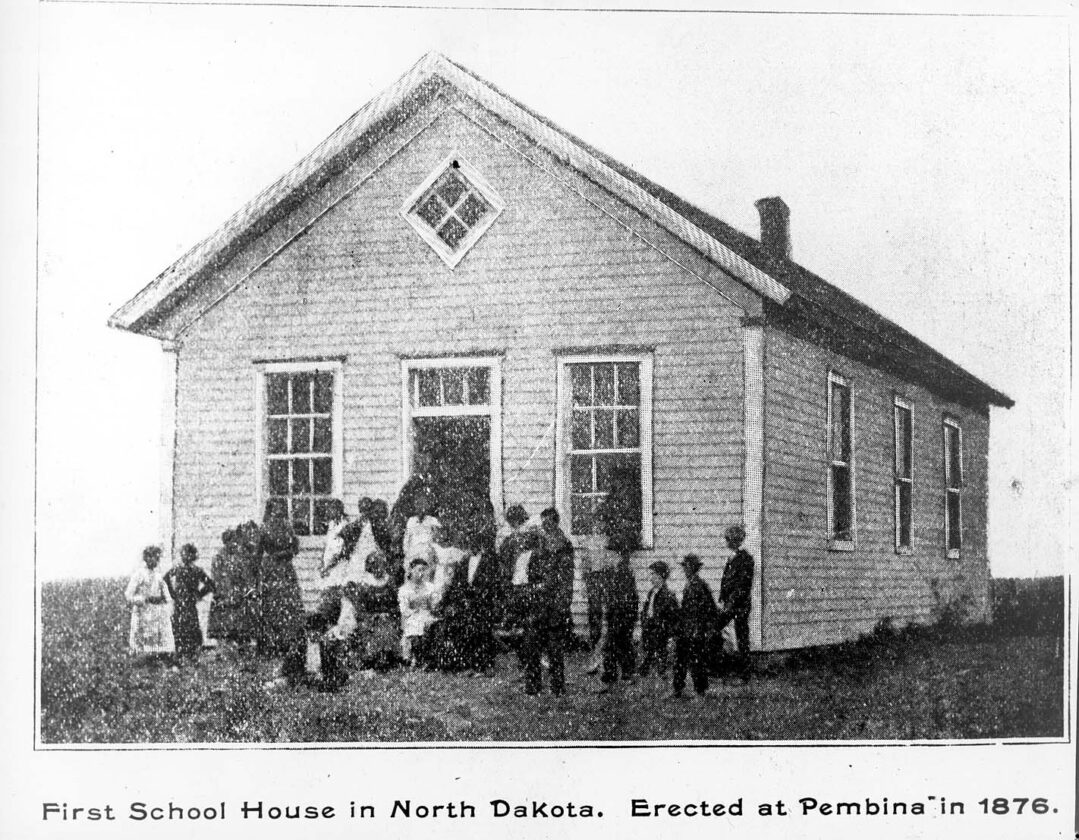
Submitted Photo North Dakota's first schoolhouse was built at Pembina in 1876. Credit: SHSND – C1321-00001
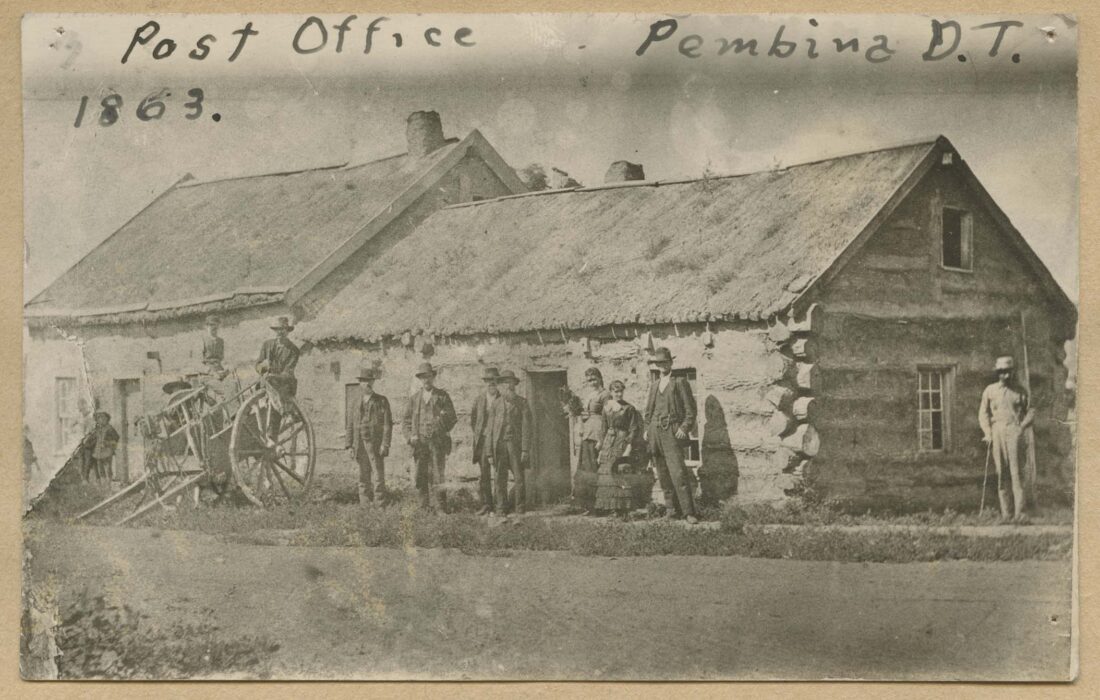
Submitted Photo North Dakota's first post office was established at Pembina, shown in this circa 1863 photo. Credit: SHSND – 00362-00001
Submitted Photo The Pembina School is shown in this circa 1900 photo. Credit: SHSND – 10737-00108
Submitted Photo North Dakota's first schoolhouse was built at Pembina in 1876. Credit: SHSND – C1321-00001
Submitted Photo North Dakota's first post office was established at Pembina, shown in this circa 1863 photo. Credit: SHSND – 00362-00001
Trending
Throughout 2026, the ND250 Commission, administered by the State Historical Society of North Dakota, is leading the state's commemoration of the 250th anniversary of the founding of the United States. Through meaningful, inclusive, and inspiring projects and events, the commission celebrates North Dakota's rich history, diverse people, and bright future while honoring the state's heritage, individual values, and spirit of community.
When people think about the settlement of North Dakota, they often picture homesteads, breaking sod and building farms across an open prairie. Yet successful communities required much more than land and crops. They required communities and institutions that connected people to one another and gave them a shared sense of purpose and place.
Long before North Dakota became a state in 1889, civic life was already taking shape.
Indigenous people were thriving within their own sophisticated governing and community cultures dating back more than 10,000 years. Europeans interacted with Indigenous tribes as early as 1738 when La Verendrye navigated the Missouri River.
The first permanent non-Indigenous settlement in what is now North Dakota was established at present day Pembina in 1797 by a North West Company fur trader named Charles Baptiste Chaboillez. He built the outpost named Fort Panbian, near the confluence of the Pembina and Red rivers in northeastern North Dakota. This was constructed near already-established Native communities that had already established trade systems for goods and crops spanning hundreds of miles across the future United States.
Situated along important trade routes near the Red River, Fort Panbian became more than a trading post--it became a gathering place where commerce, communication, and community developed hand in hand. By 1801, Alexander Henry the Younger established a permanent North West Company post at modern day Pembina, laying the groundwork for North Dakota's first organized church, school, and post office.
This was just the beginning. Additional settlements followed up and down the river and moving east and west as newcomers quickly recognized that industries required thriving communities that supported the economic engine. They needed places to learn, worship, exchange ideas, and govern themselves.
As towns emerged across Dakota Territory, some of the first community institutions included schools, churches, newspapers, and local governments. The 1883 Stutsman County Courthouse in Jamestown, now a state historic site open to the public, was the primary location for key gatherings and civic conversations about transitioning from Dakota Territory to becoming the state of North Dakota.
Over time, economic industry shifted from fur trading to a more agrarian society. During the Great Dakota Boom of the late nineteenth century, thousands of newcomers arrived to establish farms and businesses. Railroads connected communities, and new towns appeared across the prairie. Nearly every settlement aspired to have its own church, school, newspaper, post office, and town government that were initiated by local citizens. These institutions became the foundation of civic life and connected communities.
North Dakota’s civic story also reflects the diversity of the people who called the prairie home. Over time, communities established institutions representing many faiths, languages, and cultures. These organizations helped newcomers maintain traditions while contributing to the larger American story.
The importance of civic institutions extended beyond community life. They helped residents practice principles of self-government. Through local newspapers, school boards, church committees, township meetings, and city councils, citizens participated in public life and worked together to solve shared challenges.
Today, North Dakota looks very different than it did during the immigrant settlement era. Population centers have shifted, transportation has evolved, and many small communities have changed. Yet the institutions that helped build the state remain important. Newspapers continue informing citizens. Radio, TV, and social media now play a role. Schools prepare future leaders. Places of worship create connection. Local governments provide services and all require public participation.
As the United States celebrates its 250th anniversary, these institutions remind us that democracy is not sustained only through national events and elections. It is strengthened every day in communities where people gather, share ideas, volunteer, serve, and invest in their neighbors.
North Dakota’s civic life was built one community at a time. Those communities continue to shape the state today.
This summer, celebrate ND250 with a trip to the newly opened Pembina Gorge State Park in Walhalla. Learn more about the fur trade era at Pembina State Museum in Pembina or at the ND Heritage Museum in Bismarck, including the ND250 exhibit. And visit the 1883 Stutsman County Courthouse in Jamestown and experience their engaging civics exhibit covering how we became a state.
ND Population Stats
ND population changes over time
1880: 36,909
1890: 190,983
1920: 646,872
1960: 632,446
1989: 646,351
2025: 799,358