
Minot mayoral candidates sound off on city governance
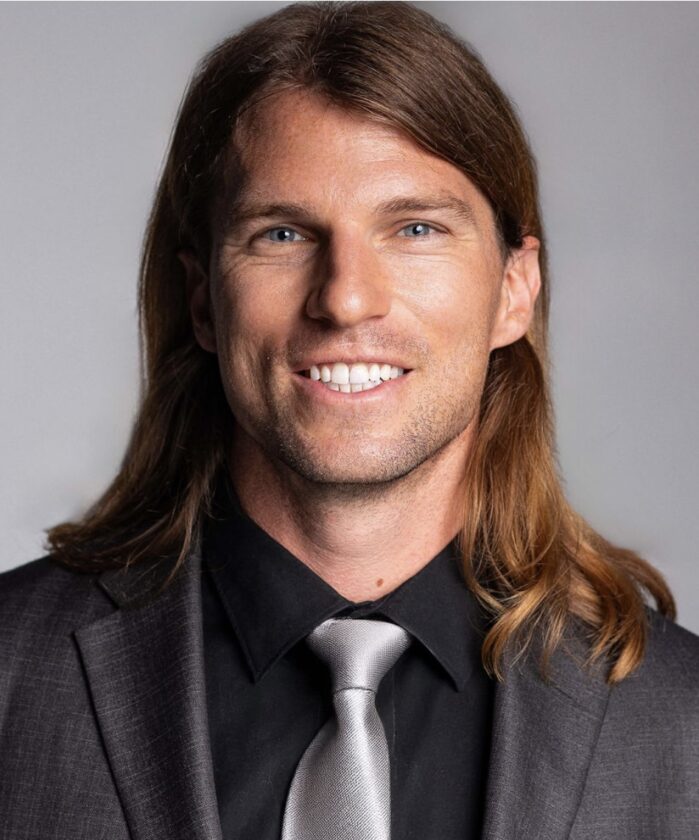
Josiah Roise
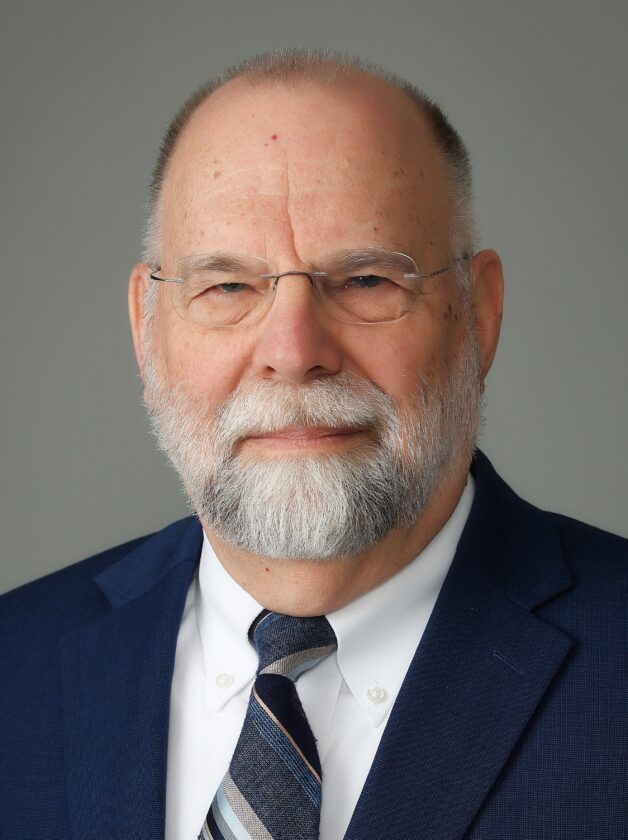
Mark Jantzer
Josiah Roise
Mark Jantzer
Trending
Minot mayor and mayoral candidate Mark Jantzer sees exciting times ahead for the city.
"I think that with what's been accomplished - everything from the revitalization of downtown to a new hospital, a new discovery center - these kinds of things add to the quality of life in our community and the pride that we can have in it, and I think there's more good things on the horizon," he said. "There’s all kinds of good things going on. I want to continue to lead the community as those things unfold."
"The magic of Minot is in the people," said mayoral challenger Josiah Roise. "We should be aiming at ways to keep them here. Property taxes going up - growing the city government when the city population is not growing - is only going to encourage people to leave.
"I'm running for mayor because I recognize the train has been going the wrong way down the track, and we have to just reverse it and go the other way," he said. "As far as the city government structuring goes, I think we can make Minot the best place, even in the country, by constitutional restoration, by constitutional adherence and recognizing the proper role of government."
Jantzer, a retired businessman, has served on the Minot City Council since 2008, becoming interim mayor on April 1, 2025. He was elected to the position last August in a four-way race that included Roise, who operates a rain gutter business. The two candidates will be on the City of Minot’s June 9 ballot.
Both Roise and Jantzer see the City of Minot as having work to do.
Jantzer cited the Mouse River Enhanced Flood Protection Project and Northwest Area Water Supply project as two major projects the city needs to keep an eye on. He acknowledged concerns of some residents who say the flood project is costing too much.
"It is true that with inflation on things like steel and concrete and with COVID thrown in, for a time, there was a bit of a contractor challenge," he said of the difficulty in getting competitive bids. "We've kind of fought our way through that and that seems to have sort of straightened a little bit."
Stopping the project isn't the answer, he said, because efforts will be fruitless unless the construction is completed. Secondly, the valley will fall into the new federal flood map, and without an enhanced flood protection system, valley residents will be required to have more expensive flood insurance. Insurance experts are citing costs as high as $1,000 a month for flood insurance, he said.
"What happens to all these houses down in the valley is they are dramatically devalued," Jantzer said. "Their property tax goes way down, and that tax burden then ends up shifting, presumably to the rest of the community because you still have to provide services to the citizens."
The city also is dealing with three persistent and intertwined problems with shortages of housing, childcare and workforce, Jantzer said.
He said the city is in the process of revising its land development ordinances with more flexibility and allowances for different types of housing to make it easier for developers to complete a project with as little red tape and in as little time as possible. It also is supporting infill growth, which utilizes existing infrastructure to increase affordability.
Jantzer said he plans to keep the city's childcare committee intact.
"Little by little, they’re chipping away at some of the issues with respect to child care," he said.
The workforce issue requires addressing the first two issues but also enticing people to consider Minot, Jantzer said.
"We have to pull up our bootstraps and be creative and figure out a way through some of this," Jantzer said. "Some of these things just take time and we have to be a bit tenacious."
Josiah Roise proposes rethinking the flood protection project, saying the 2011 flood was the result of human error. After the flood, the International Joint Commission initiated a study to examine the existing operating plan for reservoirs. Under certain operating scenarios, levees in Minot would not have been overtopped, which means the flood structure built after the 1969 flood would have been sufficient if it had been managed differently, he said.
"Therefore, what I'm proposing is that the hundreds of millions of dollars that we're looking to spend on flood protection be deemed unnecessary," he said. "We're paying from $3 million to $5 million a year, just in interest on those loans, and we're looking to do this until 2040."
Another area of budget savings could come from merging the city police department with the Ward County Sheriff's Office, Roise said. Among several examples, he listed San Carlos, California, which saved about $2 million a year by merging its law enforcement with San Mateo County, and Moose Lake, Minnesota, which expects to save $25,000-$40,000 through merging with Carlton County. It also takes power out of the hands of officials and puts it into the hands of the people who elect their sheriff, Roise said.
Roise indicated he would cancel Task Force 21, Minot's base retention committee, to redirect the money to projects benefiting residents, such as improving the city's drinking water system with reverse osmosis and fluoride removal.
Roise, who has announced a goal to eliminate local property taxes, said administrative cuts in the general fund could shave additional dollars off the city's budget. He described the city's past use of reserves to bring down property taxes as a bandage.
Jantzer noted the need to balance budget cuts and property taxes.
"My position is that we need to have enough revenue to provide city services to the citizens in a sustainable manner," he said.
"In the last two years, nobody has really come up with a solution to this that is sustainable and that the people have indicated they want to see happen," he added. "In other words, what do we quit doing? People have said, 'Well, there’s all kinds of excessive administration.' If we can find that and point to it exactly, that would be great to reduce it. But I’m looking for exactly where that is."
He also explained most city departments are audited and must meet national standards.
"If you get too aggressive in making cuts, the concern would be that pretty soon you’re not able to maintain those standards. And I don’t think that’s what the citizens want. I think the citizens want us to provide services in a professional and in a quality way, even though it costs money to do it right," he said.
Looking ahead, if the city's practice of balancing the budget on reserve funds is continued, the city will have reduced its reserves by 2029 to the minimum mandated in state law, Jantzer said. Some use of reserves will be necessary in the 2027 budget, Jantzer said, but holding the property tax at the same $20.1 million as in 2026 will not be adequate to cover the city's expenses for the police and fire department, which are the primary expenses covered by property taxes.
An impact to the budget is expected to come from having filled about a dozen police positions that had been saving the city money when vacant, he said.
He added the city might have additional expenses in moving from a temporary animal pound to a permanent one. Proposals to provide pound services have come in at slightly higher prices than the city is paying now, with no facility space provided. The city will need to spend more to provide a pound facility, but Jantzer said he believes the end result of partnering with rescue operations could mean better service for the community.
Roise said spending $15 million on a police station remodel is outrageous. He said he supports keeping the building in good repair, but he doesn't support large investments into unnecessary technology.
"What I need to advocate for is mandatory constitutional training classes so that all the officers understand how not to step on people's toes and how not to violate their rights," Roise said. "You can look at every state and study the stats, and there is a pattern of escalation when the police get involved. I would like that to be reversed. They should be trained to de-escalate situations, calm things. It shouldn't increase everybody's anxiety. ... Those are the things that would make Minot's police force a better police force. Not updated technology. Not updated surveillance equipment."
Roise has an active lawsuit against the Minot Police Department, filed last year in U.S. District Court, that alleges police violation of civil rights during two encounters in 2019. The city has asked for dismissal.
Roise said his general stance toward the police station and other capital improvements is to ensure that projects are of necessity and public interest.
"I've seen that the government has spent a lot of time, money and resources on things throughout the years that nobody really asked for, and that's something I want to put a stop to," he said.
If elected mayor, Roise said, he will be visible around the community and open to hearing from constituents anytime.
"I don't want them to feel like they have to come to City Hall," he said. "I want to foster a stronger relationship with the people and understand what their feeling is about the city."
Jantzer also said he welcomes citizen input, whether it's a phone call, email or even a conversation at the grocery store. He listed his leadership experiences, including as long-time chairman of Task Force 21, as equipping him to continue as mayor.
"I believe that I have credibility with the partners that we rely on for help and financial assistance - the U.S. congressional delegation, the governor, the many state legislators," he said. "It’s important that the mayor be able to represent the community to those decision makers and be credible and be able to articulate what Minot is looking for."
"A lot of people use the word conservative, and I think it's overused today, so I definitely describe myself as a restorationist," Roise said. "Conserving means to hold on to what we have. I'm trying to restore what we've lost."
What he wants to see back is freedom from government overreach, he said.
"When you cut regulation, the economy just flourishes, because Americans seize opportunity," he said.