
North Dakotans urged to weigh human needs
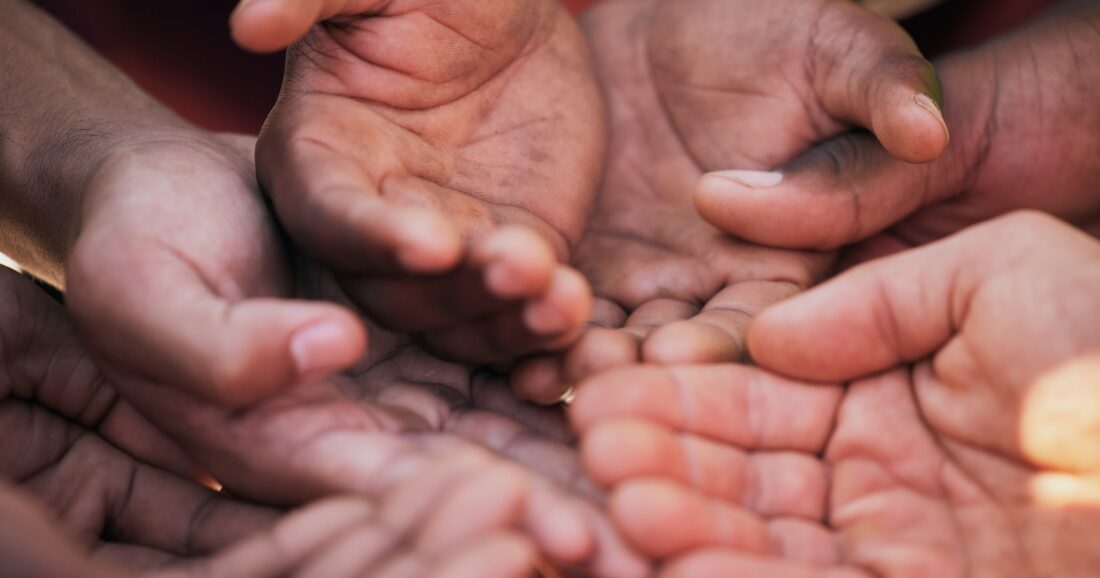
Submitted Photo The humanitarian relief organization Mercy Corps says as the war with Iran is felt in places like Lebanon, families were already spending the equivalent of 141% of their income to meet basic needs. Photo from Adobe Stock.
North Dakota isn’t immune to higher prices at the gas pump or agricultural expenses tied to the war with Iran. A humanitarian group says those frustrations are understandable, but it hopes for equal concern for innocent civilians across the globe.
As the status of a ceasefire agreement between the United States and Iran seemingly changes by the minute, Kate Phillips-Barrasso, vice president for global occupancy and advocacy at Mercy Corps, has joined other humanitarians in noting that less attention is being paid to attacks in Lebanon. The organization has a presence there and has reported widespread displacement of people and mounting damage to civilian infrastructure.
Elsewhere, she noted, rising gas and fertilizer prices are having a serious impact on under-developed countries such as Somalia and Sudan.
“And when those things happen,” she said, “people who are already living on the edge are oftentimes pushed into really desperate situations.”
As needs escalate, including in Iran, she said, aid groups have a harder time providing assistance because of the Trump administration’s steep cuts to humanitarian contracts. The administration cited “wasteful spending” and has since renegotiated with other countries. But critics have said the terms are too strict and lack transparency.
Phillips-Barrasso said Americans wondering how they can help can make donations to relief organizations, if they’re in a position to do so. Another option, she said, is to reach out to members of Congress and lay out concerns regarding the civilian impacts of war. She said even if all the fighting stops tomorrow, it will take a long time for affected regions to rebuild.
“There’s a huge tie-in with critical infrastructure and things like farming or transportation,” she said, “or people’s ability to use productive assets to start making money again, and supporting their families, and putting food on the table.”
Beyond Iran, Phillips-Barrasso said people fleeing some of the violence were still reeling from the war in Gaza.
“Now that they’re fleeing away from the south of Lebanon,” she said, “they have far fewer resources and coping ability as a result of that.”
Local News
House Armed Services Committee staff visit Minot AFB
Mayor, base leaders honor military children
Minot watermain projects receive state funds
BISMARCK – The North Dakota State Water Commission announced approval of more than $20.6 million in funding for ...
History-based book club to met at Confluence
WILLISTON — “Reading on the Frontier,” a history-based book club, will meet Saturday, May 2, from 1-2 p.m., ...
Visit Minot awarded funds for hospitality strategy
BISMARCK — Minot Convention and Visitor's Bureau (Visit Minot) has been awarded $80,960 to support a hospitality ...
Dakota College named the Tree Campus USA -l
BOTTINEAU — The Arbor Day Foundation has designated Dakota College at Bottineau (DCB) as a Tree Campus Higher ...