Importance of private land for wildlife, hunting In ND
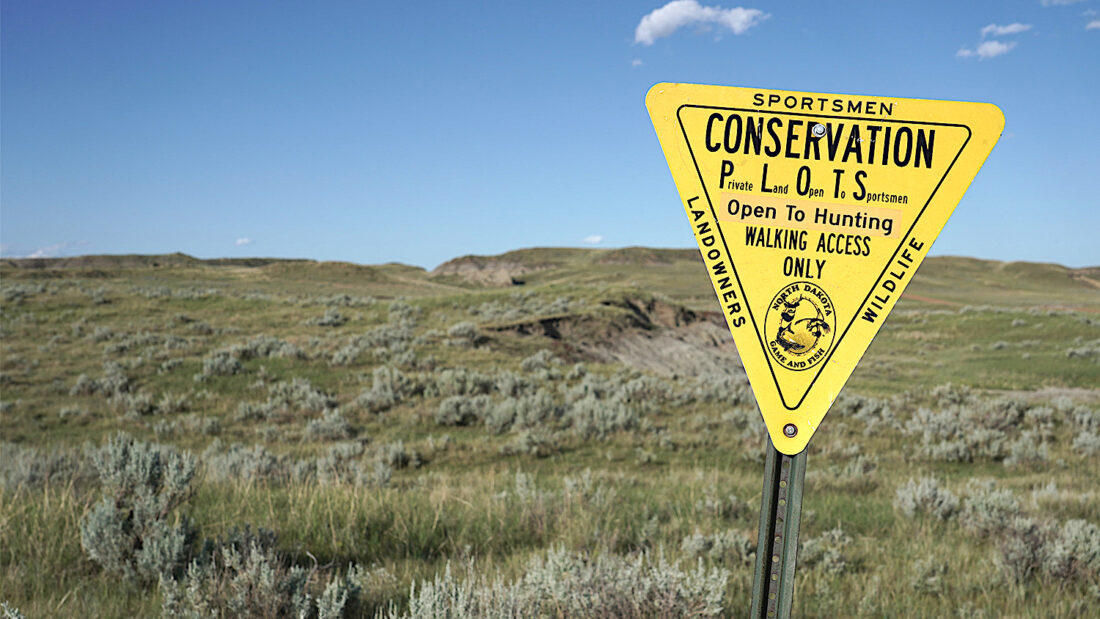
Submitted Photo In North Dakota, more than 93% of the landscape is privately owned, making private land essential to the future of wildlife, habitat and public hunting access. Photo from NDGF.
In North Dakota, more than 93% of the landscape is privately owned, making private land essential to the future of wildlife, habitat and public hunting access. Recognizing this reality, the North Dakota Game and Fish Department Private Land Initiative continues with a framework for collaborating with landowners to conserve habitat and provide outdoor opportunities.
Goals of PLI
PLI is built around three core goals:
– Conserving and enhancing wildlife habitat across private lands.
– Providing financial and technical assistance to landowners who want to establish, manage, or protect habitat.

Doug Leier
– Expanding public access where landowners voluntarily agree to allow hunting and other wildlife-related activities.
In short, PLI aims to blend habitat conservation, private-land stewardship, and public benefit into a single cooperative program.
How PLI works
PLI is not a single program, but a suite of options tailored to fit different land uses and landowner objectives. The major components include:
Private Land Open To Sportsmen
PLOTS is the most visible public-access portion of PLI. Through an agreement with the Department, landowners enroll acreage to walk-in, on-foot public hunting during legal seasons. The Department posts the properties, maps them, and includes them in the annual PLOTS Guide so hunters know where access is available.
Why PLI matters
PLI provides a flexible, practical approach to conserving wildlife habitat on working agricultural landscapes. It supports landowners through financial assistance, technical expertise, and habitat-improvement options that fit their goals. At the same time, it helps maintain and often expand public hunting access in a state where public land is limited.
Wildlife benefit from improved habitat diversity – grasslands, wetlands, woodlands, and croplands managed for conservation help upland birds, waterfowl, songbirds, deer, and other species. Hunters benefit from more accessible land with better habitat conditions. Landowners benefit from cost-share, rental payments, and long-term improvements to their property.
Ultimately, PLI and PLOTS operate on a simple premise: private landowners are essential partners in conserving North Dakota’s wildlife resources. By supporting stewardship on private lands, the department helps balance agricultural production, wildlife conservation and public outdoor recreation.
For landowners interested in enrolling
Private landowners can work with a local PLI biologist to explore program options tailored to their land use and conservation goals. Agreements differ by habitat type – native or tame grassland, wetlands, forest, cropland, or access-only arrangements – and payment structures vary accordingly. Landowners participating in PLOTS may receive rental or cost-share payments but must uphold basic stewardship commitments.
Habitat programs
Landowners who want to enhance wildlife habitat can enroll in a variety of sub-programs, including native grassland and pollinator plantings, food plots, shelterbelt or shrub plantings, wetland or riparian restoration, and management options for cropland or tame grass. The Game and Fish Department provides cost-share options, rental payments, and technical guidance for planning and implementing habitat improvements. These programs are designed to work within active agricultural operations while increasing ecological diversity and wildlife value.
Flexible agreements
PLI agreements range from short-term commitments of a few years to longer-term contracts, depending on the habitat work and landowner goals. Payment structures vary – some provide cost-share for establishing habitat, while others offer annual rental payments for land set aside or opened to public access. The Department also provides management guides for grasslands, wetlands, woodlands, croplands and upland-game habitat.
Public access through PLOTS – What hunters should know
Because so much of the state is privately owned, PLOTS significantly increases the amount of land available for public hunting. Key points for hunters include:
– Walk-in access only. Motorized use is prohibited unless the landowner gives explicit permission.
– Clearly marked and mapped lands. PLOTS tracts are posted with distinctive signs and listed in the annually updated PLOTS Guide and digital mapping tools.
– Restricted activities. Camping, ATV use, off-season dog training, placing bait, and non-hunting recreation require written landowner permission.
-
- Submitted Photo In North Dakota, more than 93% of the landscape is privately owned, making private land essential to the future of wildlife, habitat and public hunting access. Photo from NDGF.
-

- Doug Leier
Doug Leier is a NDGF biologist and a Williston native. He began his career at Lostwood NWR and was a game warden in Bottineau.
Local News
Importance of private land for wildlife, hunting In ND
Applications open for Camp RYLA
Applications are now open for Camp RYLA 2026, a dynamic leadership camp designed for high school sophomores and ...
Teddy Roosevelt at zoo Monday
Teddy Roosevelt, aka Joe Wiegand of the Theodore Roosevelt Medora Foundation, will be a special guest at Roosevelt ...
City responds to watermain break
A City of Minot crew responded to a watermain break in the 800 block of Fifth Avenue Northwest Thursday morning. ...
War department to hold cUAS tests at Camp Grafton
WASHINGTON –The Department of War will hold a Technology Readiness Experimentation (T-REX) event in North Dakota ...