
City to begin course correction on budget
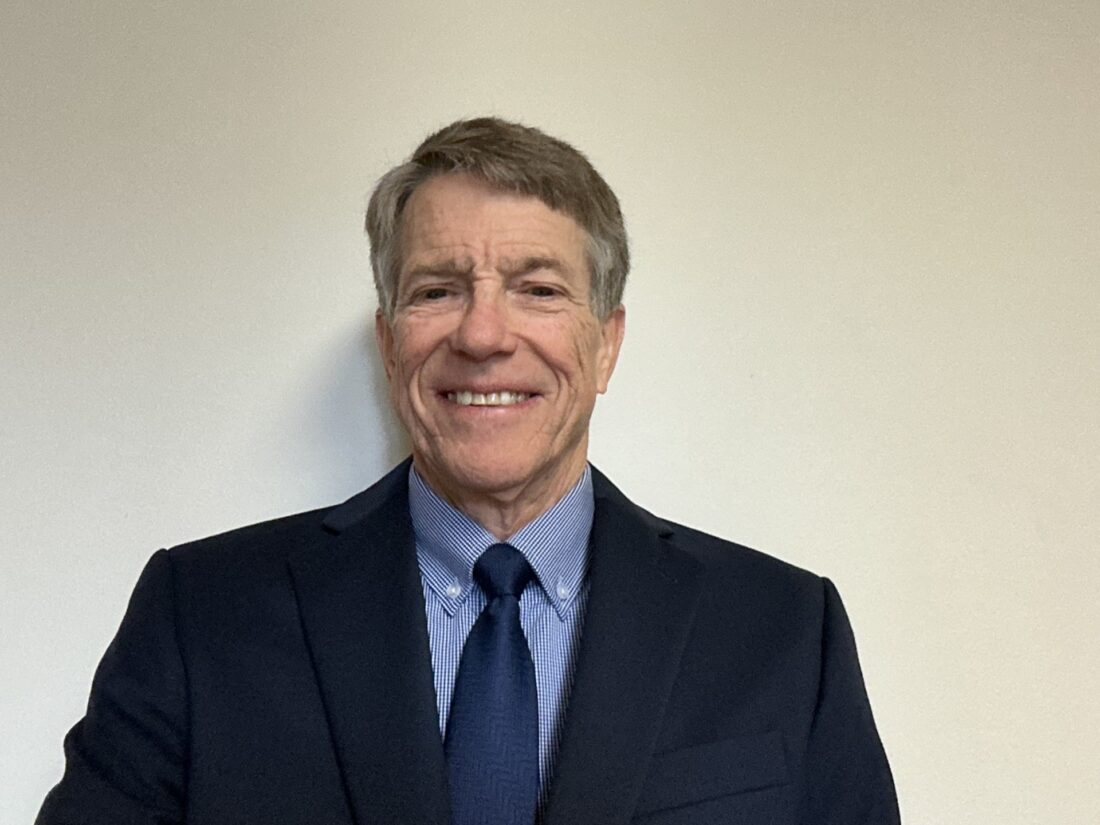
Jay Fisher
City departments will be looking for budget cuts after the city’s finance director presented a not-so-rosy financial scenario to the Minot City Council this past week.
“I don’t want this to be ‘dire straits,’ but I also want us to have our eyes wide open and give us time to react and make course changes as well,” Finance Director David Lakefield told the council at a budget work session Tuesday, Feb. 17. “I think there’s some things that we’re also going to have to correct on the expenditure side of things because it’s just not sustainable over time. And I think the sooner that we start heading down that path and taking a look at it, the less drastic it’ll have to be at a point in the future.”
Lakefield presented a trajectory chart showing the gap between property taxes and expenses increasing from $32 million in 2023 to a forecast of about $58 million in 2028.
“The actual numbers probably aren’t as important. It’s the trajectory that we’re going on,” he said. “We can’t continue on this path indefinitely because we run out of ability or capacity at some point.”
Regardless of any efforts to cut expenses or find new revenues, there will need to be strict fiscal management going forward, he added.
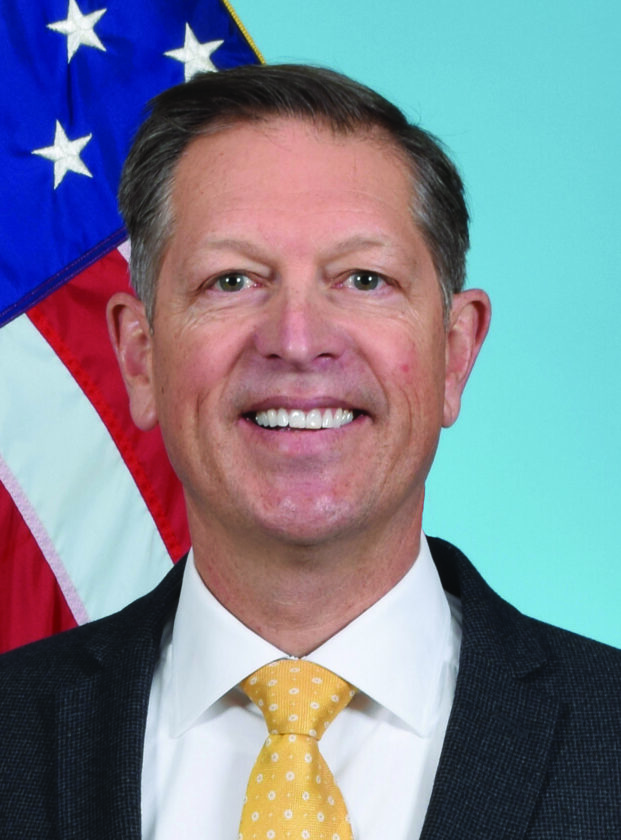
Tom Joyce
The trajectory chart also showed a rapid decline in reserve funds, which the council has spent down the past couple of years to reduce the property tax. The chart showed, by 2028, the current practice would draw reserves down to below the required level in city ordinance.
Council member Mike Blessum favored a tax levy target for 2027 of about $20.4 million, reflecting the existing levy of $21.1 million plus valuation growth.
“I know what that means. It likely means another very strong number coming off reserves,” he said of balancing the budget. “I don’t think we can solve the expense side of the equation in one year. … It’s going to take us a little bit to get out of that.”
Council member Lisa Olson said the use of reserves has hidden the real cost of doing business from the residents.
“Starting out with a flat budget is nice, but I don’t think that we’re going to find out that we can provide the services at that flat budget, particularly into the next couple of years. I think an increase is probably going to happen, and that’s something that we’ll have to have a good conversation about. I don’t think that the funding for that increased cost should come from reserves.”
Council member Paul Pitner said a flat budget isn’t sustainable.
“We’ve heard city government should run like a business, should be run with business acumen. I don’t know any business that can just continually draw on reserves to function,” he said.
City Manager Tom Joyce said there are no big-ticket items to offer as cuts.
“The biggest challenge as we move forward is really just finding those alternative revenue sources, just because I just don’t see significant savings in expenditures. I’m not saying we can’t get after savings,” he said. “We always are getting after efficiencies, but I just don’t see anything huge without eliminating a service. And I just don’t know which one that I can even think of eliminating at this point.”
Council member Rob Fuller said the trajectory shows an unrestricted path of growth that nobody ever said ‘no’ to, resulting in the city now at its current size.
“It’s going to hurt when we start to take it back,” he said. “Maybe we have to start looking at early retirements and see if people are willing to take that and start cutting payroll in that form, rather than just waiting for people to retire, resign or whatever. We’re going to have to come up with some ideas, but cutting spending, absolutely, has to be one of them.”
“”There’s isn’t a single fix to this. It’s going to have to be a multi-pronged approach to make things work long term,” Lakefield said. “Even if the decision was to take the absolute maximum (tax) allowed under the law, it just prolongs the inevitable a couple more years.”
Joyce said department heads did a good job last year in advising the council on what the impact of 3% cuts in their departments would mean. He’s advised department heads to approach budgeting the same way this year, looking at each budget line item.
The department-driven approach to identifying cuts is the direction the city will take as a start.
“We can evaluate what we would live without and bring those suggestions back to council,” Lakefield said. “Then the council can weigh in on what they think of that approach, and we’ll go from there.”
-
- Jay Fisher
-
- Tom Joyce
Local News
City to begin course correction on budget
City departments will be looking for budget cuts after the city’s finance director presented a not-so-rosy ...
University of Maryland Global Campus
ADELPHI, Md. – Area students were among graduates from University of Maryland Global Campus following the fall ...
Public Agenda
Minot School Board Sale of Vacant Property Committee When: Tuesday, 1 p.m. Where: Administration Building ...
One measles case confirmed in Walsh County
BISMARCK – North Dakota Health and Human Services (HHS) is reporting one confirmed measles case in Walsh County. ...

City enters temporary pound contracts
Ice Warrior Plunge to benefit cancer causes
NEW TOWN — MHA Nation will host the 10th Annual Ice Warrior Plunge Monday, Feb. 23. Registration begins at 8:30 ...