Pet foster groups aid military, veterans
Local volunteers needed in ND
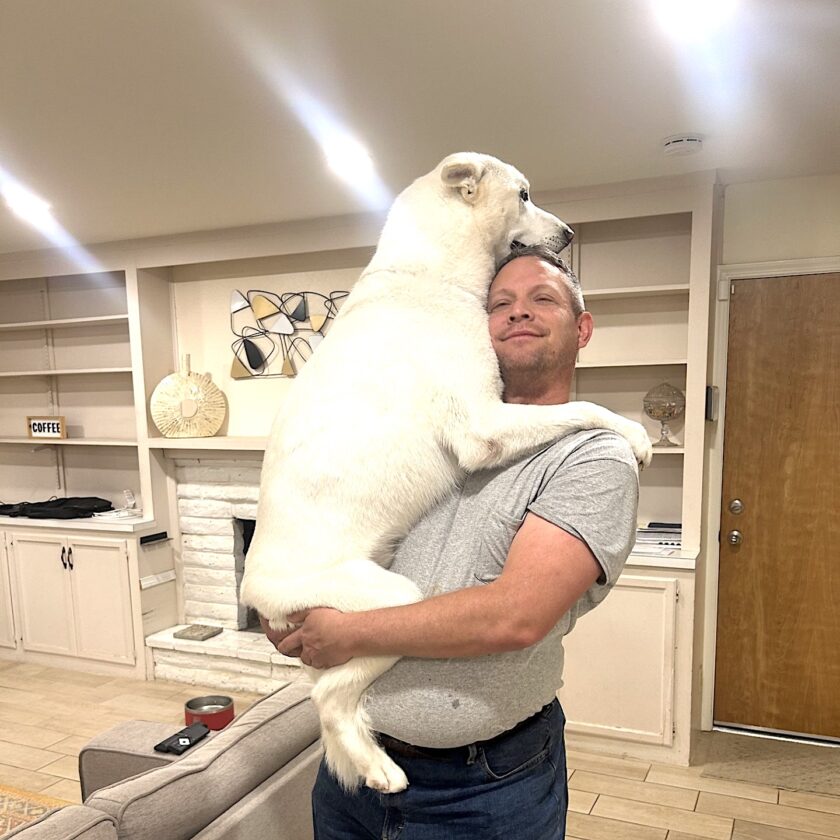
Submitted Photo A service member and his dog, Ghost, experience a joyous reunion in December, made possible by a PACT for Animals foster family in California, who took in Ghost while the service member completed a one-year deployment.
When a service member is deployed or a veteran temporarily relocates for medical services, furry family members get left behind.
At least two national organizations are active in North Dakota in helping military and former military members find foster placements for their pets, so when they return home, they can be reunited with their companion animals.
“We’re always looking for homes – someone who is willing to take on a pet,” said Gisele Barreto Fetterman, director of Strategic Partnerships & Development with PACTS for Animals. “As well, we want people to know that we’re available with this service. We’re there for the service members that need us.”
PACTS for Animals’ Operation Foster has placed about 3,000 animals in 50 states since founded in 2011. Recently, it has been seeking a foster home for Ellie, a 1½ year old Husky, while her North Dakota owner serves the country. Located in Jamestown, Ellie is eligible for placement anywhere in a eight-hour travel radius, with the help of transport volunteers.
“We are ready to serve whenever we get that call. There’s just a lot of places that don’t know that we offer this work and that we offer this work at no cost. It’s such a wonderful resource,” Fetterman said.
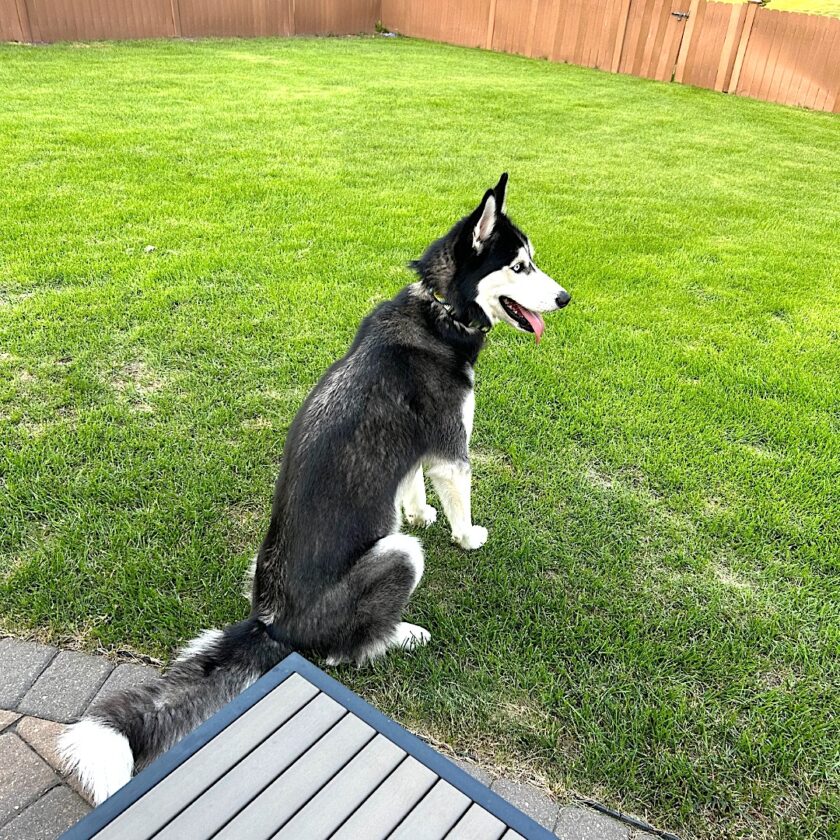
Submitted Photo Playful and affectionate, Ellie, a 1½ year old Husky from Jamestown, has been in need of a foster home while her family serves the country. PACT for Animals provides transportation to bring pets to selected foster homes up to eight hours away.
Dogs on Deployment, another national nonprofit offering pet fostering, and not just for dogs, has helped military members in North Dakota. In addition to supporting active duty personnel, its Hero Pet Boarding Network assists veterans undergoing service-related medical treatment or transitioning into permanent housing, along with first responders required to attend initial training or extended support detachments, according to information from the organization.
The national groups fill a gap in the Minot region.
Animal Empowerment League has a foster program that helps out residents who are gone for extended periods.
“It’s not exclusively for military, but we certainly help them when we can,” said Executive Director Kasey Breuer.
Haley Schoneck, Communications and Development officer with Souris Valley Animal Shelter, said SVAS has received only a small number of requests related to deployment-based fostering in the past five years and has no specific program to address that need. In most cases involving surrenders by military members, the requests stem from an inability to take pets along in permanent relocations, she said.
SVAS is open to exploring ways to assist military members, Schoneck said.
“We deeply respect and admire efforts focused on keeping pets safe and loved while their owners serve, and we hope to be able to explore opportunities like this in the future as our foster capacity grows,” she said.
“However, any program offering temporary or long-term foster care for owned pets would require a much larger and more stable foster base than we currently have. Long-term fosters are especially difficult to secure, and extended stays in shelter care place a significant financial and resource burden on our organization.
“Because of this, growing our foster network remains one of our most critical needs, and it is something we consistently work to emphasize within our community. As our capacity expands, programs like this are something we would welcome revisiting,” she added.
While PACTS for Animals and Dogs on Deployment have similar missions to meet the needs of service members and veterans, they meet needs in different ways.
Dogs on Deployment operates an online boarding network that enables military pet owners to self-connect with a network of volunteers known as “DoD Boarders.” These volunteers are willing to foster pets during service commitments or hardships, such as deployment, training, overseas Permanent Change of Station or other military obligations.
Both pet owners and boarders can make decisions based on what works best for their individual circumstances, and communication between both parties is key to coordinating a successful placement, according to Dogs on Deployment.
Through PACTS for Animals’ Operation Foster, foster families and pet owners complete detailed applications and virtual home checks are arranged with potential fosters. Operation Foster arranges a match, and pet owners and foster families sign a legal contract.
With both donation-supported organizations, boarding services are provided at no cost to the military members or veterans. Pet owners are only responsible for ongoing costs that include food, medical, grooming and supplies. Both organizations also encourage and facilitate communication between the pet owners and boarders during the fostering period.
Like local animal rescues, more foster homes always are needed.
“Many of our fosters who do it once, they do it again,” Fetterman said. “They’re helping someone who’s serving our country and they’re providing this lovely service to them at no cost, because the last thing we want is for them to incur another expense as they’re now far away from their loved ones, working for all of us.”
Without foster services, more military members could be forced to surrender their pets to shelters, she said.
“If you think about someone who is already going through so much emotionally and physically, what are they coming home to if they had to surrender this pet who they were so attached to and they loved so much?” Fetterman said. “Asking them to give up one more thing is so tragic and so cruel, and we want to make sure that never has to happen again.”
-
- Submitted Photo A service member and his dog, Ghost, experience a joyous reunion in December, made possible by a PACT for Animals foster family in California, who took in Ghost while the service member completed a one-year deployment.
-
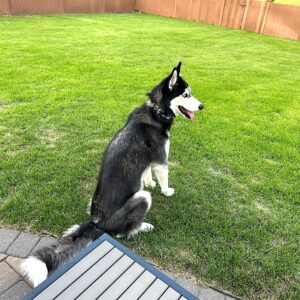
- Submitted Photo Playful and affectionate, Ellie, a 1½ year old Husky from Jamestown, has been in need of a foster home while her family serves the country. PACT for Animals provides transportation to bring pets to selected foster homes up to eight hours away.
Local News
Firefighters sharpen skills at annual training
Proposed paving project draws landowner interest
Vitalant schedules blood drives in region
Vitalant has announced a number of blood drives scheduled for March. The nonprofit remains in a critical need for ...
Respiratory illness low to moderate in ND
The most current respiratory illness summary from the North Dakota Department of Health and Human Services shows ...

Program bridges rural school meal gap in ND