
Controlling taxes, bettering community are key for candidates
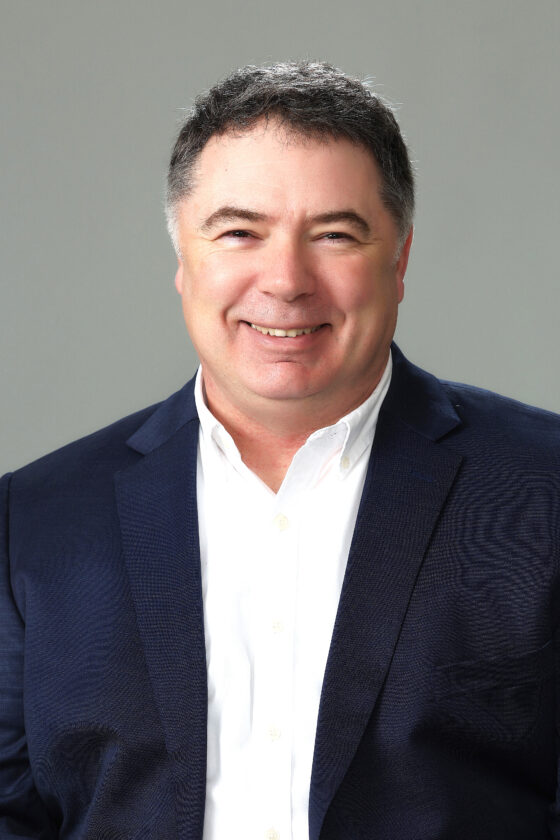
Mike Blessum
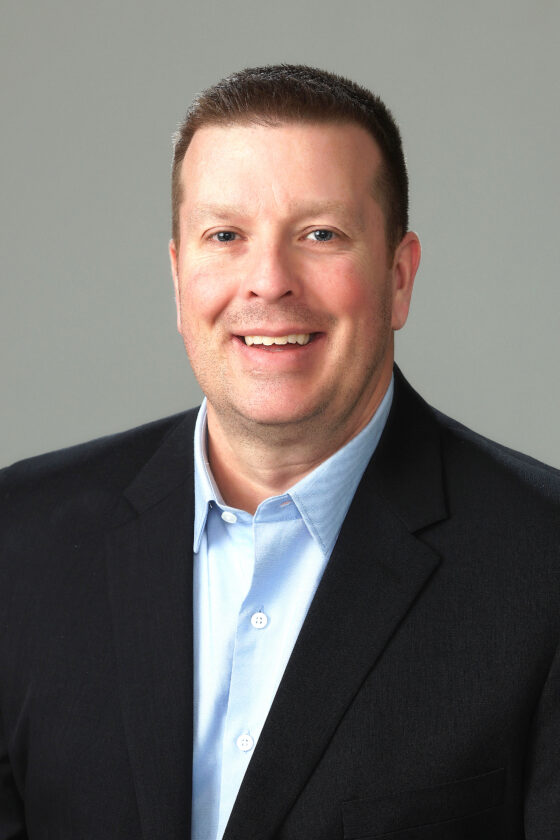
Rob Fuller
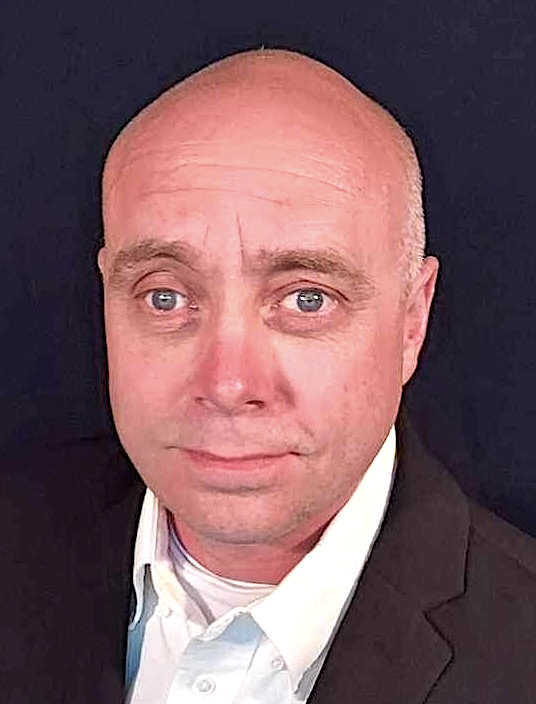
Leif Snyder
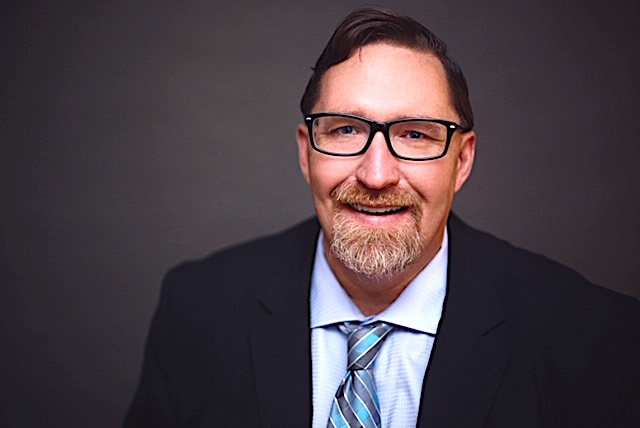
Scott Burlingame
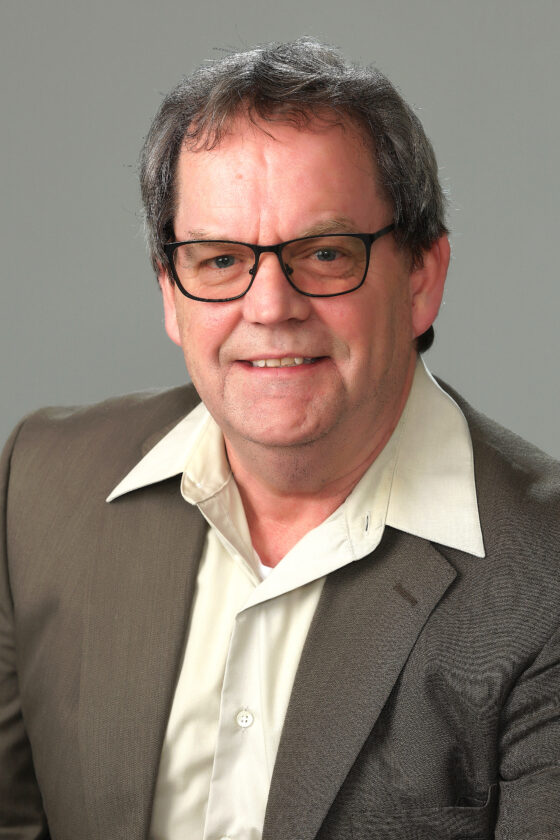
Scott Samuelson
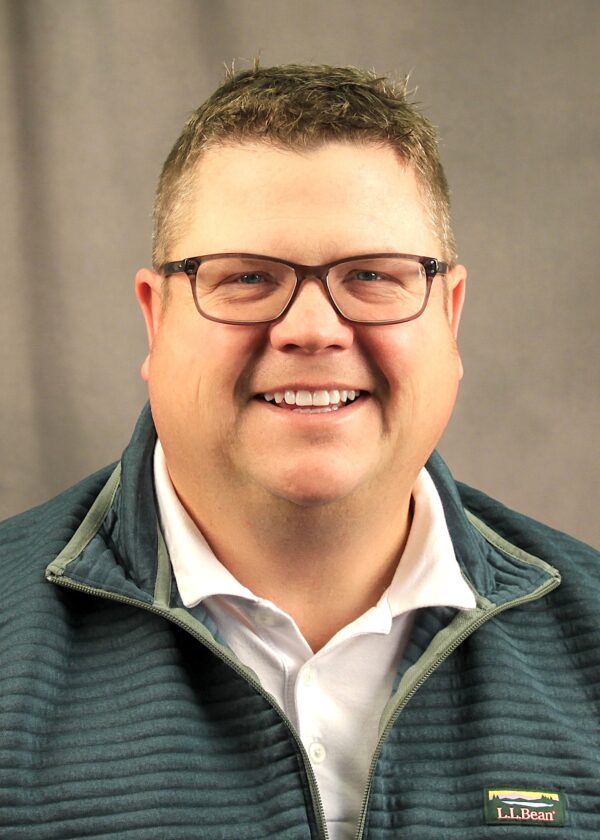
Mike Gietzen
Mike Blessum
Rob Fuller
Leif Snyder
Scott Burlingame
Scott Samuelson
Mike Gietzen
Trending
Seven candidates are vying for three positions on the Minot City Council in the June 11 city election.
Mike Blessum, Rob Fuller, Mike Gietzen, Scott Samuelson and Leif Snyder are seeking to gain seats while Scott Burlingame and Stephan Podrygula are campaigning to retain their seats.
Blessum, Fuller and Samuelson have been campaigning together under the theme of "We Can Do Better."
Blessum, a Minot native, operates several family-owned small businesses in Minot. Fuller, also a Minot native, moved back to Minot in 2012 from Colorado and was a commercial banker for 17 years. He currently owns and operates Spartan Firearms. Samuelson, a former Minot business owner and long-time resident, is a licensed Master Plumber with the North Dakota State Plumbing Board.
Gietzen, a Minot native, is business sales manager for SRT.
Snyder, a Minot native, has worked in sales and for nonprofits and as a carpenter. He also has coached youth hockey in Minot and Williston.
Burlingame, executive director for Independence, Inc., was elected to fill an unexpired term on the city council in November 2022.
Podrygula, a clinical and forensic psychologist in private practice, is a long-time Mint resident who served on the council from 1998-2002, 2004-2008 and since 2016.
The candidates responded to questions from The Minot Daily News regarding Minot city government and their interest in serving on the council.
Do you feel Minot's city taxes are too high or about right? If too high, what would you propose for changes to reduce costs or increase efficiencies? If about right, why do you believe they are at a good level? If money should be shifted, where should more money be spent?
Samuelson: Property taxes in Minot are unnecessarily high. We need to look at all budget line items and find areas where we can be more efficient, cost effective and accountable for our spending while making sure we are offering essential services. We also need to look for areas of wasted resources and possible duplications.
Burlingame: Property taxes are too high. Reducing the property tax rate in Minot requires a collaborative effort. With a city budget nearing $200 million and over 450 city employees, finding efficiencies won’t be easy or painless. I’m committed to working with city staff to streamline the budget and seek out efficiencies. Rest assured, I’ll stand by the hardworking public servants of Minot and I will not balance the budget in a way that puts them at risk. However, we can’t keep burdening taxpayers with escalating property tax bills.
Podrygula: Although we would all like taxes to be lower, it's good to remember there is some truth to "you get what you pay for." If we want quality services - e.g., reliable police and fire protection, decent roads, safe and plentiful water, adequate flood protection, etc. - we have to be willing to pay for them. It's important to be honest and compare apples to apples. When you look at all three major sources of income for the city - property taxes, special assessments, and sales tax - we rank fifth among the 12 largest cities in the state, so, our overall tax burden is essentially average. By the way, North Dakota ranks 43rd of the 50 states in taxation. We can do better, however. For example, offering incentives for employees (and citizens) to come up with money-saving ideas and improving the training of supervisors and managers (so they can provide more effective leadership and develop more efficient ways of delivering services). Remember, too, what U.S. Supreme Court Justice Oliver Wendell Holmes said: "Taxes are the price we pay for a civilized society."
Fuller: Property taxes ARE too high. Sales tax is about right. There are things we could do to reduce costs. Here are examples:
- Conduct a comprehensive review to identify areas where spending can be reduced without compromising essential services. This should include NOT spending $1million on consultants each year, not budgeting for positions the city hasn’t been able to fill for five or more years (i.e., Police budgets for 58 officers but only has 45. Maybe we budget for five more this year, then more in following years) and finally, saying NO when we don’t have the money.
- Eliminate redundant or inefficient processes to reduce operational costs. The Chamber EDC manages the MAGIC fund and drives economic development; now the city is hiring overlapping positions.
- Promote economic development initiatives to increase the city’s tax base. Best way for the city to stimulate economic development is to get out of the way. Let businesses and developers do what they do best and you will see growth. Currently, there are too many hoops to jump through and 'nos' from the city to local developers.
Snyder: Property taxes are too high! High taxes are directly connected to the workforce problem. It's difficult to get people to move here when housing/rents are so high due to high taxes. We can be more efficient and lean at offering basic city services. We have to avoid the accidental spending that can be prevented, like running dump trucks or rolloff containers into bridges. Part of the budget is pass through, which is federal dollars that shouldn't affect property taxes, but once again because someone made a mistake with the Broadway Circle and NDR grant, now taxpayers are on the hook for $1.3 million that we could have likely avoided had we administered the grant more closely to make sure the contractor was being paid. Hopefully, taxpayers will recoup this and sell the project, but for now it's our problem and it puts the city in the business of being a landlord. I would be in favor of reallocating the 15% of a penny sales tax for economic development elsewhere.
Gietzen: This city council candidacy has provided me with opportunities to hear some of the whys our property taxes are where they are, and I now feel that I have a better understanding. While out gathering signatures, there were lots of rumbles from the Minot residents regarding their increasingly high property tax and the financial burden/worry it puts on a homeowner. As a homeowner myself, I certainly support the reduction in property tax but would not support elimination completely. The ramifications of such a drastic measure presents worry and potential for serious consequences. A reduction in spending and prioritization of projects will be a crucial part of our near future. The City of Minot will face some tough decisions this budget cycle and "no" will have to be used.
Blessum: Minot residents are overtaxed from a property tax perspective. According to Rocket Mortgage numbers updated as of 1/30/2024, the median home value across the state is $280,600 and the average property tax bill is $2,746, or about 0.98% of home value. My home in southwest Minot is at 1.64%, or about 67% higher than the statewide average! And that is after the state "bought down" my bill by about 33%. The "bought down" price seems to be what the market will bear, so the local taxing entities keep it there. I would start by looking at budget sections with direct tax levies like the airport, cemetery, public transportation and the library to adjust fees and costs to make them more self-sustainable. I would also consider changes to economic development programs to free up sales tax dollars for the general fund. We will continue to have budget challenges until NAWS and flood projects are completed in the coming years, but we can make adjustments now to get us on the right track.
Should economic assistance programs (Renaissance Zone, Tax Increment Financing, MAGIC Fund, etc.) be maintained? Should the city encourage investment through programs such as facade improvement or tax exemptions for builders and homeowners in arrested developments?
Burlingame: Economic assistance programs like the Renaissance Zone and facade improvement initiatives play a crucial role in expanding our local economy. By fostering private development and job creation, they reduce our reliance on property tax while meeting essential needs. Moreover, tools like Tax Increment Financing and tax exemptions for builders and homeowners are vital in addressing Minot’s housing shortage. While high housing costs benefit sellers and landlords, they’re pricing many residents out of the city. By incentivizing additional housing development, we can curb the unsustainable rise in local housing costs. The MAGIC Fund should be utilized to provide grants to childcare providers with the aim of enhancing the availability and affordability of childcare options in Minot. By incentivizing the expansion of daycare facilities, we can effectively address the workforce shortage and empower more residents to join the workforce. This strategic investment not only helps families, but it supports economic growth and promotes workforce participation, ultimately contributing to the overall prosperity and vitality of our community.
Snyder: Two types of funding for incentives, TIFs and Renaissance Zone, are property tax abatements. You can't eliminate TIFs as the ability to ask for them is state law. However, if elected I can vote against them. I'm against expanding the Renaissance Zone and especially the most recent vote to change it from a five-year to an eight-year exemption. No matter the form of tax abatement, whenever you lower taxes for a property, then other taxpayers have to make up the shortfall. We have to stop the "Dooh Nibor Economics" (Robin Hood backwards). MAGIC funds and facade grants are awarded from sales tax collected for the purpose of economic development. We should end the contract with Chamber EDC to administer the Magic Fund. Are we getting our money’s worth for a $634,650 yearly contract? Eliminating the Magic Fund altogether is a possibility. I disagree with how facade grants are handled via the Renaissance Board. Within the Renaissance Zone. I'm against the same people getting them over and over again. We can end it.
Fuller: While I think these programs can help, how we are currently using them is not helping the city. I think we should look at revamping them all, or even pausing them for the time being, until such a time as we get the city budget and property tax issues under control. Two of the three programs directly affect property tax in the city.
Blessum: We need to reevaluate our economic development programs. These programs continue to increase the burden on taxpayers with the promise of better times ahead. We need to learn to say no. Developers need to decide if their business plans work without incentives. They may choose another community for development, but their chances of success are diminished if the public incentives are required for their plans to work. Many of these developments are fine additions to our city, but they are direct competitors to established businesses in our community. Markets function best when the playing fields are flat and fair. Saying no to some projects would build back public trust by lowering the tax burden and letting the markets work. If elected I will always consider each project individually, but don't be surprised if I tend to say no more often than our current and past leadership. I won't be saying no to growth. I will be saying no to making taxpayers pay to develop properties for large companies that will compete with our neighbors.
Podrygula: The reality is they more than pay for themselves. The property taxes lost during the tax abatement period are more than made up for by the increased value of the property after improvement. For example, the Starving Rooster restaurant property downtown was initially valued at $40,100; after incentives from the city, and the improvements these helped finance, its value is now $1,619,000, bringing in nearly $9,000 more, every year, in property taxes to the city (apart from providing jobs to a good number of employees and a greater number of dining options to the community). We have made changes. For example, the MAGIC Fund has been reoriented to provide more support to local individuals starting up and/or expanding their own businesses, more closely complementing state programs and private financing. Renaissance Zone benefits are available to both businesses and private homeowners, in an expanding area, targeting areas of the city that are in need of revitalization.
Gietzen: I am in favor of these economic assistance programs our city has the capability of providing. They must be maintained and should be utilized. Their strict guidelines must also be followed. These programs have the potential to provide positive impact for our city when used appropriately. One should encourage entrepreneurs to invest in our community and partnership programs like these. They allow us to believe in each other.
Samuelson: We need to look at the pros and cons of economic development, see what works and what should be discontinued. The MAGIC Fund program no longer serves the purpose it was originally outlined to accomplish. The City of Minot has its own economic development program as well as contracting with the Minot Chamber EDC, which has apparent duplication of services in several areas. The Renaissance Zone and TIF programs give property tax breaks to businesses and corporations, thereby distributing the tax burden onto the residents of Minot. The downtown façade program gives taxpayer funding for businesses to improve their store fronts. I do not believe this is a program Minot taxpayers should be funding.
Are there city regulations you would like to see eliminated, added or better enforced? Should there be more requirements when city money is handed out?
Gietzen: The City of Minot needs to enforce existing regulations before other assessments, taxes and fees are considered. These regulations were enacted for a purpose, can provide extra funding when compliance is enforced. That needs to be the priority. If one is not compliant, one is held accountable. I support one receiving financial assistance from our city for economic development. However, all guidelines will be mandated, all promises made will be met, and the entire process will be followed for compliance. This to me is non negotiable.
Podrygula: Most city regulations are locally adopted versions of national building codes and fire safety regulations, etc., and have an obvious value and purpose (i.e., preserving life and property). Where we fall short is in enforcement of zoning code requirements, particularly in terms of nuisances on neglected properties (e.g., abandoned cars, tall weeds, and scattered junk and trash). We only have one code enforcement officer and they only have time to investigate reported complaints, rather than proactively look for nuisances and derelict properties and be sure needed cleanup is done. Unfortunately, there is still a fair amount of substandard housing in the community, and we need to take greater advantage of state and federal programs, along with encouraging (and incentivizing) private developers to build more quality, affordable housing for people with low and moderate incomes. Market forces, inherent in the private free-enterprise system, will help achieve better results. When city money is used, properties must meet all applicable standards and be fully accessible to everyone (e.g., parents with children in strollers, people in wheelchairs, etc.).
Blessum: The city council at its May 6 meeting approved the first reading of a new requirement for recipients of public economic development dollars to install push button entry doors to aid patrons with special needs in gaining access. While admirable in its intent, I believe this is a step too far, primarily because it calls for requirements above the basic ADA legal standards for businesses operating in the city. This will lead to a complicated web of legal requirements and further burden the city with enforcement. Leaders who support business handouts and incentives are completely justified in their efforts to attach strings to the money that is distributed. My answer is not to reduce the regulations in this area, but to instead minimize the use of the handout and incentive programs in the first place. We need to focus on a low tax, low regulation environment that creates favorable conditions for market driven growth. If we do that well we don't need to worry about incentives or attaching strings to the money.
Samuelson: There needs to be a deep dive looking into our requirements and regulations and how they are implemented. Are they current, are they necessary, do they still serve a purpose, and do they discourage growth in Minot? Looking into this would determine if some regulations need to be changed or could even be eliminated. I do not believe we should be handing out citizens money without determining the need and positive impact it would have on Minot.
Snyder: City employees, especially city department heads have to follow state law. No more thinking they can keep a document from being released because it puts their friend and co-city employee in a bad light. The city's HR Department can use some training and transition payroll to the finance department so HR can be more on top of city employee and training issues. We can improve morale for all city employees and make the city a more inviting place to work by creating opportunity for advancement based on commitment and good work instead of who you know. Within the Renaissance zone, a person can be granted facade grants over and over again for multiple properties. If the Renaissance Zone continues I would support a once and you're done rule. If the Magic Fund continues, I would like to see the old guidelines restored that say a sitting City Council member or a Chamber EDC board member are not eligible to receive Magic Funds. If they want them, then they can resign their positions.
Fuller: Without reading through every single regulation we have as a city (and I’m sure I will. I just haven’t yet) it’s hard to say what we need to add or needs better enforcement. Having said that, though, I think there are some things we can eliminate that will help spur economic development within the city. Why are we struggling with economic development in Minot? I believe it’s because as a city we make it TOO HARD for local developers to get things done. We’ll give the "farm" away to out of town interests, but force our local people to jump through hoops that really aren’t helping anything. I had a great conversation a week or so ago with one of our local developers. He had some great input. The city says no more often than not. How do we get to yes? The city needs to just get out of the way for economic development.
Burlingame: I believe in a proactive approach to city regulations. We should aim to streamline bureaucratic processes to encourage business growth while ensuring that existing regulations are effectively enforced to maintain community standards. Additionally, leveraging social media platforms to promote best practices can enhance transparency and accountability. When it comes to disbursing city funds, it’s essential to establish clear requirements and guidelines. Transparency and accountability are non-negotiable, especially when handling taxpayer funds, to ensure responsible and effective allocation for the benefit of our community.
Why are you interested in serving on the city council?
Snyder: I see too many decisions that benefit a select few and what they want rather than benefiting all the citizens of Minot. I see the pain fellow citizens are in with regard to high property taxes. I can't support the current direction to continue with all the tax abatements in the name of growth and economic development. I suggest everyone look into the TIFs at the Tracks Development. Phase one TIF passed with a vote of 7-0. Phase 2 has yet to be voted on but in EPIC's proposal it was listed as a 10-year TIF. How it works is it lets EPIC take the money they would normally pay in property tax for the plaza improvements and reinvest it back into the plaza. So instead of those tax dollars going to city's general fund and paying for things like police and fire and to the school district for schools, it would be going into a parking garage at the plaza. What do you want? Fire, police, roads, schools or a parking garage?
Fuller: I believe that if we (as a community) don’t do something to fix this current situation the city is in with regards to property tax and the city budget, Minot will become a hard place to live and do business. Our friends, neighbors and community deserve better than what is going on currently.
Blessum: Five years ago a campaign for city council would have been at the bottom of my list of potential elected offices. Too many of the issues council members deal with hit very close to home for Minot residents and I didn't relish the idea that friends and neighbors might not agree with the decisions I would make. A seat in the North Dakota Legislature sounded more appealing -- where I could be a step removed in Bismarck and not face the day-to-day scrutiny at home. So, what changed? I got involved. First, by paying attention to the Legislature and city council, school board and county commission meetings. Then, by serving as an appointed member of the Minot Human Relations Ad Hoc Committee. I also attended budget hearings and made my voice heard. What I found is that our voices do matter and sometimes we need to step up even if it's not comfortable. I believe I can be effective and that our system of government requires us to be willing to do our part.
Samuelson: I want to assist with moving Minot in a better direction. We need to have a reasonable budget in order to maintain our buildings and secure our essential services. I want to provide transparency and encourage citizen engagement when it comes to our community decisions. I will focus on lowering the property tax burden placed on the residents of Minot, therefore reducing the cost of living and allowing our community to grow. We Can Do Better, Minot!
Podrygula: In the 16 years in which I have had the privilege of serving the citizens of Minot, I believe I have developed the knowledge, experience, and judgment to continue making the city a better place to live and work. The city is a complex organization, providing a wide range of municipal services, serving well over 50,000 people, with 460 employees and a budget of $200 million. Although some experience in business is helpful - I started my private practice 35 years ago - public service requires much more than simply making a profit. In particular, you have to balance the needs and desires of a very broad constituency, some of whom want very different things. We have accomplished a lot (e.g., building a new fire station, making progress on flood control and bringing Missouri River water to the city through NAWS, bringing in new businesses, facilitating the building of more homes, keeping the community safe, etc.), but we can still do better. In these challenging times, experience, understanding and common sense do matter.
Gietzen: As a lifelong Minot resident, I have felt strong about running for city council for quite some time and I am so glad I got my name on the ballot. I have a deep love for serving others and my community before myself. I'll admit I may not have all the answers to all our problems, but I think that is a good thing. I don't have preconceived notions. I can promise the residents of Minot that I will give my all to uphold the responsibilities required to do this job. I believe that common ground is available. It comes in forms of education, communication and understanding. I will take the time to educate myself, listen to others and communicate solutions!
Burlingame: Serving on the city council is not just a duty; it’s the honor of my life. I’m driven to serve on the city council because of my profound love for Minot. It’s more than just my place of residence; it’s my home and where my family and I have built our lives. Witnessing both the triumphs and challenges of our city, I feel a deep sense of responsibility to contribute to its growth and prosperity. By serving on the council, I aim to be a dedicated advocate for all residents, ensuring their voices are heard and their needs addressed. Together, we can work towards a brighter future for the city of Minot.