
Pilot program ends, making it more costly to call inmates
A pilot program that had had reduced the cost of communicating with inmates in the state has been discontinued this year because of Federal Communications Commission regulations.
Colby Braun, director of facility operations for North Dakota Corrections and Rehabilitation, said in an email to The Minot Daily News, that the subscription calling pilot program had been introduced in December 2020 as a direct response to the economic turmoil of the COVID-19 pandemic. It lasted for a year but was discontinued last month because of FCC regulations.
Under the pilot program, the base price for a calling subscription was $19.99 per month, plus additional taxes and fees.
“That meant that, if a person used 17 calls a month at 15 minutes each, they would break even. If they used all 100 calls and 1500 minutes, the cost could be as low as (2 cents a minute),” said Braun. “On average, this program worked. Call time increased 58 percent and the cost for calls decreased 61 percent compared to the normal structure. The average cost of a call was (4 cents a minute.)”
North Dakota was the first state in the nation to try the subscription calling pilot plan, which was administered by Securus Technologies of Dallas, Texas.
When the program was discontinued in January, Braun said the cost of a call to an inmate returned to the old price of 0.079 cents per minute.
“The next step would be for Securus to work with the FCC and provide feedback to the adverse impact this change will have on the people they are trying to protect,” said Braun in the email. “Currently, the FCC only allows correctional calls to be priced on a per-minute structure. We are trying to change that to demonstrate that this subscription model can save individuals money and increase connection – a shared goal we all have.”
Braun said some families of inmates have submitted testimony about the negative impact of the end of the pilot program to the FCC. One family member had submitted testimony that the pilot program had made it possible for her incarcerated sister to speak over the phone with her five children and to help them with their homework, said Braun.
Local News
Funds available to improve maternal health in ND
FARGO – Organizations supporting maternal health care in North Dakota are invited to apply for a Maternal Health ...
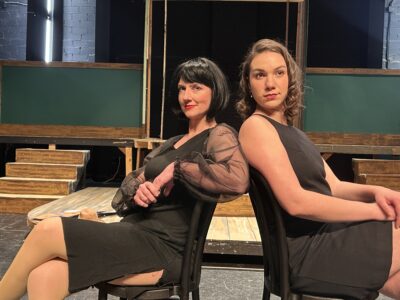
Western Plains Opera, MSU Theatre to present ‘Chicago’
Parenting book study begins April 8
A free book study on “Raising Good Humans” will be held online on Tuesdays from April 8 through May 6 at 6:30 ...
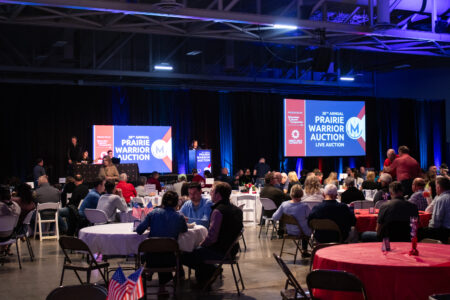
Local event benefits military members at Minot AFB
Minot Symphony Orchestra to present ‘Pirates of the Caribbean’
The Minot Symphony Orchestra will present Disney’s "Pirates of the Caribbean: The Curse of the Black Pearl" in ...
Maple sugaring event on tap at Fort Stevenson
GARRISON – Fort Stevenson State Park will host Maple Sugaring Days for some sweet days of learning and fun as ...