
Trending
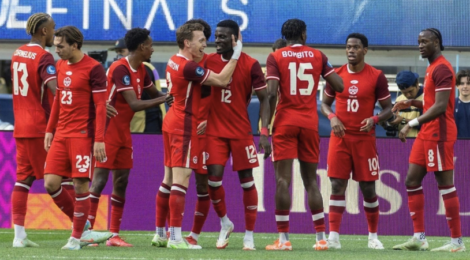
Image: Canadian Team. Shutterstock
In 2026, Canada will help set the World Cup stage, from Vancouver to Toronto, with a team trying to turn home support into results.
In Qatar, the Canadian men's national team was the comeback story. The country had reached the men's World Cup for the first time since 1986, and that alone gave the trip meaning. There was pace, belief, and a sense that Canadian soccer had finally forced its way into a bigger conversation.
The results were tougher to accept. Three games, three losses, and one historic goal.
Now the stage comes home.
Canada will co-host the 2026 FIFA World Cup with the United States and Mexico. The tournament runs from June 11 to July 19 and will feature 48 teams for the first time. Canada will host matches in Toronto and Vancouver, with 13 games scheduled on Canadian soil. FIFA has the full tournament details, while Canada Soccer will carry national team updates as the event gets closer.
For Canadian fans, expectations have changed. Showing up was enough in Qatar; in 2026, they will want a win, a place in the knockout rounds, and a reason to believe this team can go deeper.
A Bigger Tournament Brings a Bigger Chance
The new format alters the World Cup experience. The expanded 48-team format brings more matchups, more styles and more chances for Canada to build momentum if it handles the group stage well.
Canada also avoids the long qualifying road because it is one of the host nations. That gives the team time to plan, arrange friendlies, and build toward the tournament with a clear target.
There is a catch. Qualifying can sharpen a team. It puts players in difficult away games and forces them to deal with pressure before the tournament even starts. Canada will have to find that edge another way.
As the opening whistle nears, attention will shift toward the draw, Canada's chances of advancing, and the wider tournament atmosphere. Fans following World Cup coverage may also come across sportsbook discussions and offers, including searches for a Stake promo code, as interest around match predictions and tournament odds increases ahead of 2026.
Home Support Will Raise the Temperature
A home World Cup changes the mood around a team.
In Canada, you should notice it easily. On match days, there will be flags in windows, packed bars, and families organizing trips to and from games. Young players will be able to see a Canadian men’s team on the biggest stage without having to watch old clips to see what they look like.
That feeling has been building since the FIFA picks for 2026 confirmed the tournament's North American footprint, including Canadian host cities Toronto and Vancouver.
That support can help. It can lift a team during difficult stretches and make tight games feel even bigger. It can also bring pressure. Every missed chance will be replayed. Every lineup decision will be debated. Every mistake will feel heavier.
Canada's players should be better prepared after Qatar. They have already felt how quickly a World Cup match can turn. That experience should matter in 2026.
Canada's Speed Is Still Its Best Weapon
Canada is at its most dangerous when it gets the ball into space.
Davies and David give Canada real pace, movement, and finishing quality. When they click, Canada can trouble stronger opponents.
The team does not have to dominate possession to create chances. It has to choose the right moments. One turnover in midfield, one quick pass forward, or one well-timed run can change a game.
That is the path. Defend with discipline. Break quickly. Take the chances that come.
The Defense Has to Hold Up
Canada's 2022 World Cup showed promise, but it also showed how expensive small mistakes can be.
At this level, a team can play well for 20 minutes and still fall behind because of one lost runner, one poor clearance, or one slow reaction. The Canada and Morocco result was a clear reminder of that, as Canada left Qatar without a point despite showing flashes of the team it could become.
In 2026, Canada must stay compact without the ball. The team has to defend set pieces better, track runners longer, and know when to press without leaving too much space behind.
The final 15 minutes of matches will matter, too. That is when legs get heavy, and decisions get rushed. Canada cannot afford to chase games too early or lose control when the crowd starts pushing for more.
What Would Count as Success?
The first goal is clear: get out of the group.
That would be a major step for the program. It would show that Canada has moved beyond simply being happy to take part. A win would be important. A knockout-round match would be bigger. Anything past that would become part of Canadian soccer history.
Canada does not need to act like a tournament favorite. The draw, injuries, and roster form will shape what is realistic. Still, this group has enough talent to expect more than it delivered in Qatar.
That is what makes 2026 so interesting. Canada has the crowd, the speed, and the experience. Now it needs the results.