
OUTDOOR CONNECTIONS: Birds are only part of the hunt
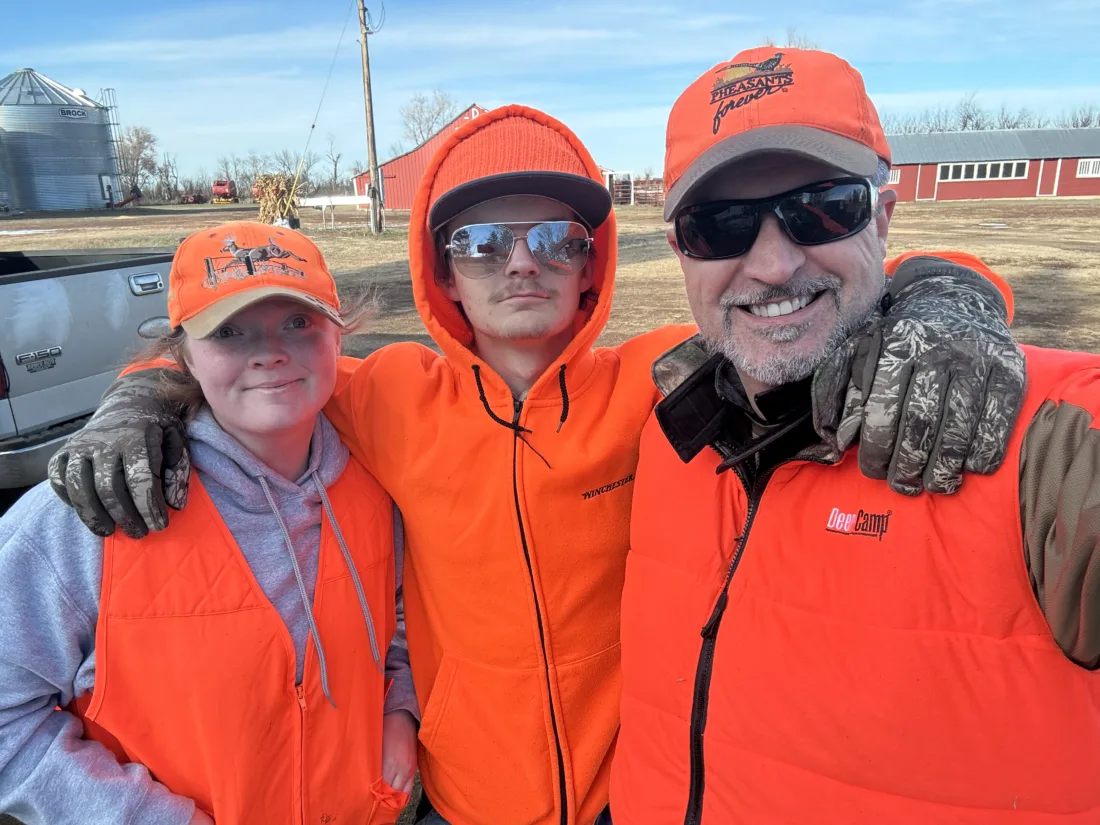
Submitted Photo With his two children, Maren and Jaxson, by his side, Shaun Sipma passes down family traditions and outdoor skills to the next generation. Photo courtesy of Shaun Sipma.
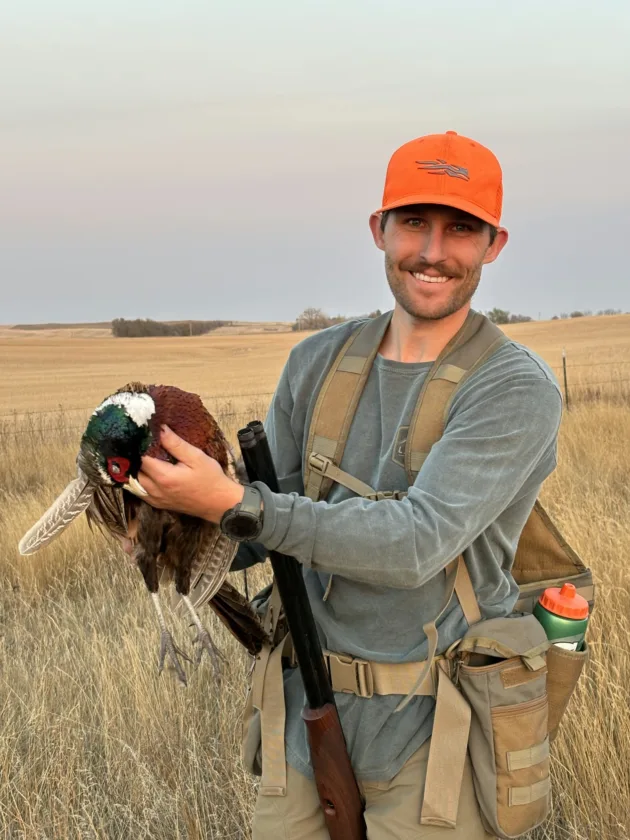
Submitted Photo A beaming Evan Erskine admires his first pheasant, celebrating a special achievement in the field. Photo from Henry Drewes.
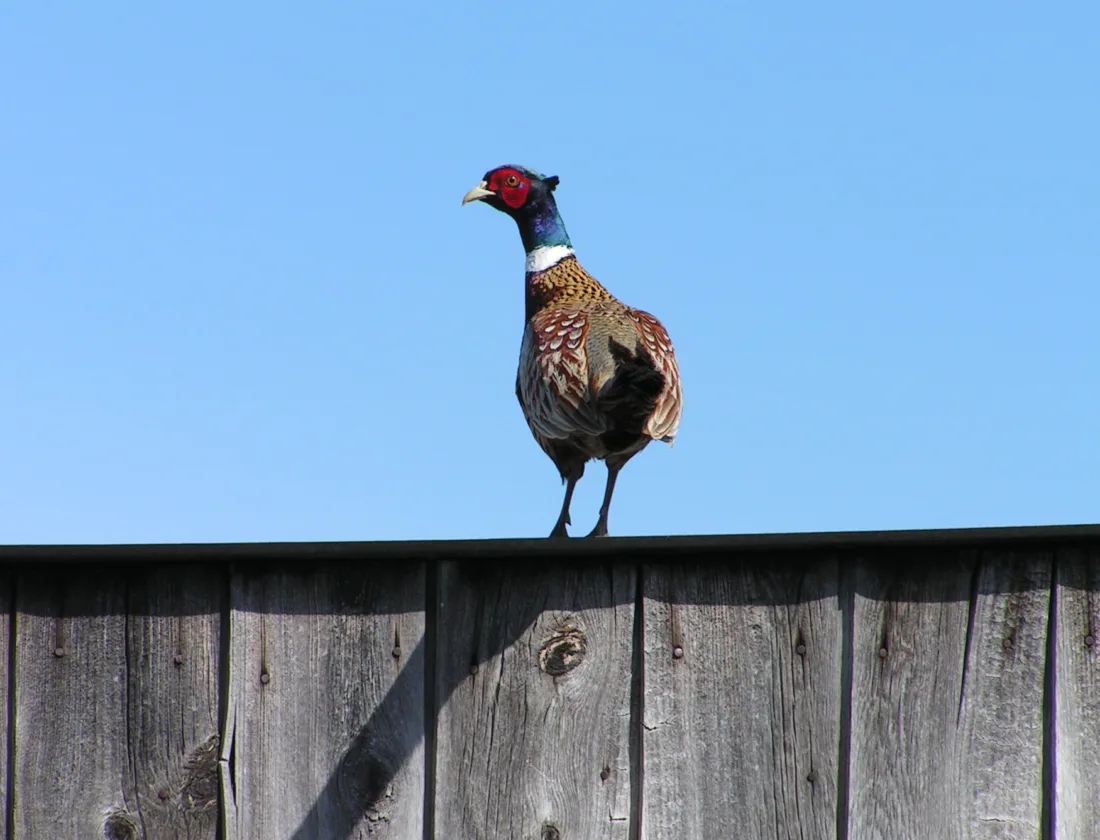
Submitted Photo A pheasant perches gracefully atop a fence, surveying the landscape. Photo from Shaun Sipma.
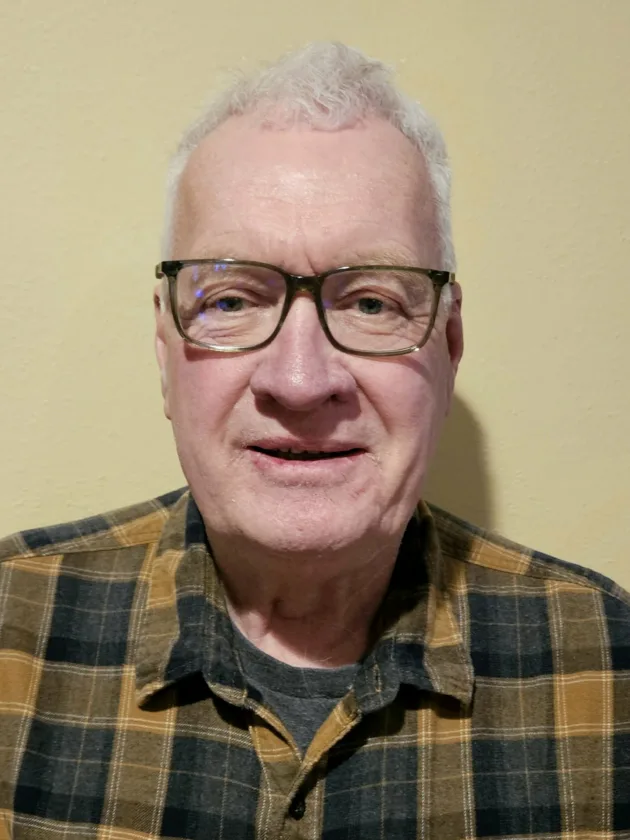
Gary Korsgaden
Submitted Photo With his two children, Maren and Jaxson, by his side, Shaun Sipma passes down family traditions and outdoor skills to the next generation. Photo courtesy of Shaun Sipma.
Submitted Photo A beaming Evan Erskine admires his first pheasant, celebrating a special achievement in the field. Photo from Henry Drewes.
Submitted Photo A pheasant perches gracefully atop a fence, surveying the landscape. Photo from Shaun Sipma.
Gary Korsgaden
Trending
Pheasant hunting around Minot and across northwest North Dakota isn't just about bagging birds. It's ritual, reunion, and the kind of tradition that stitches families and friendships together, one boot step at a time.
For Shaun Sipma of Minot, pheasant hunting is a family tradition passed down from his father and uncles and now shared with his children. For Henry Drewes, the pull of North Dakota's prairie country takes him over 500 miles from his southeastern Minnesota home each year. Sipma hunts near Minot, while Drewes hunts in the northwestern part of the state, around Crosby and Williston. Both men agree the birds are only part of what keeps them coming back.
Sipma notes drought forces pheasants to seek water and cover, but hunting pressure can push them into unlikely spots.
"Drought years? That means more miles on foot--and that's half the fun. That's why we're out there," Sipma says, grinning.
His advice? Simple: be patient, stick with it, and don't be afraid to wander off the beaten path. Sometimes the best cover is where no one else bothers to look.
For Drewes, the hunt starts long before he hits the prairie. “Windshield time is part of the deal--hours to swap stories, talk kids and grandkids, and laugh about old hunts. Coffee stops, tank top-offs in forgotten towns, a quick field for the dogs to stretch--it all becomes part of the legend before a single rooster flushes,” Drewes says.
"It's about the stories you bring home, not just the birds," Sipma says. "Sometimes just hearing a rooster cackle or seeing a whitetail ghost across the horizon is all you need to make a day legendary."
For Sipma, the real trophies are moments spent teaching his kids. One season, he left his own shotgun at home, trading trigger time for the role of mentor, making sure his son Jaxson and daughter Maren got the full experience. Their excitement after their first birds? That's what draws him back, season after season.
Drewes gets the same satisfaction from sharing the adventure--like the first time he brought his son-in-law, Evan Erskine, up from Oregon and showed him the ropes. Crosby and Williston's big skies and wild ground call him back every year. The drive itself? That's when the hunt really begins, with hours to talk dogs, swap tips, and build up that electric anticipation.
Having a place to hunt isn't just luck--it's trust earned. Sipma's built relationships with landowners the old-fashioned way: with respect, a handshake, and always lending a hand. Drewes is the same--he and his crew camp under prairie stars, welcomed back year after year.
Don't have a landowner in the Rolodex? North Dakota's PLOTS (Private Land Open To Sportsmen) program opens up new ground and new stories. Whether you've got a handshake deal or a public-access map, finding a place is what keeps the tradition alive.
The drive out: small towns fade, horizons open up, and the buzz in the truck gets louder. Ducks overhead, geese in the distance, a deer bounding for cover--every mile adds to the thrill. For Drewes, watching the dogs explode into a hayfield is its own kind of magic. For Sipma, the hunt starts the second those familiar fence rows come into view.
Forget the tailgate tally--the best rewards are the land itself, the friendships, and the respect earned by doing things right. That's what keeps hunters coming back, year after year.
Sipma and Drewes may come from different places, but their reasons for returning are the same. Hunting season is a reunion--a time for laughter, tall tales, and the kind of camaraderie you can only find in North Dakota's big country.
A heavy game bag is nice, sure. But for these hunters, it's the journey--the long drives, the quiet dawns, the banter between shots--that sticks with you long after the season ends.
We'd love to hear from you. Share your favorite hunting stories, photos, or autumn traditions with Outdoor Connections for a chance to be featured in a future column! Send your submissions to gkorsgaden@unitelc.com.