
Managing WMAs is about balancing opportunities
Trending
If you spend enough time in the North Dakota outdoors, you quickly realize our public lands are a shared, limited resource. They cannot be everything to everyone. They are places where deer hunters, birdwatchers, hikers, anglers, and trappers all seek access to their favorite outdoor pursuits.
Managing these spaces is not simply about providing opportunity. It is about balancing opportunities without compromising the resources they were established to protect. The North Dakota Game and Fish Department works every day to balance public access with its highest priority: conserving wildlife and the habitats that sustain them.
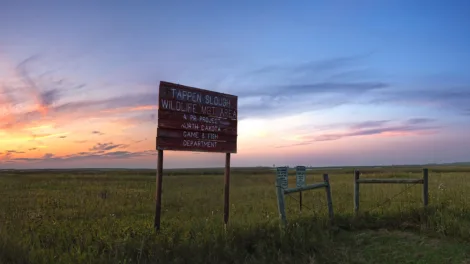
Our Wildlife Management Areas (WMAs) are purchased and managed with sportsmen's dollars. Because of that, hunting, trapping, and fishing remain the primary purposes of these lands. At the same time, the department recognizes that a prairie hillside, a quiet river bottom, or a native grassland also attracts people who simply want to hike, photograph wildlife, or enjoy the outdoors. That shared appreciation is something we all value.
Compatible use is the key. We want people to enjoy these outdoor opportunities, but not at the expense of the resources these areas exist to protect. A hike may seem to have little impact, yet timing and location matter. During sensitive periods, even low-impact recreation can disturb wildlife while nesting, breeding, raising young, or surviving harsh seasonal conditions.
When recreation begins to degrade habitat or displace wildlife from areas they depend on, the balance shifts. That is why WMAs include rules such as seasonal closures and motorized vehicle restrictions. Those boundaries are not intended to diminish anyone's experience. They help ensure the landscapes and wildlife that make North Dakota special remain healthy for future generations.
For those planning to spend time afield this year, here are the current 2026 regulations for dog training on State Wildlife Management Areas:
- Training bird and gun dogs is prohibited on all WMAs from April 1 through Aug. 15 to protect nesting upland game birds and waterfowl.
- Professional dog trainers may not use WMAs for commercial training activities at any time.
- Organized field trials require a permit issued by the North Dakota Game and Fish Department.
- Individuals training with pen-raised birds outside hunting seasons must follow department regulations, including marking birds with fluorescent ribbons to distinguish them from wild birds.
- Dog training is also prohibited on PLOTS (Private Land Open To Sportsmen) tracts unless the landowner provides written permission, because those agreements are intended primarily for walk-in hunting access.
Whether you hunt, hike, photograph wildlife, train dogs, or simply appreciate open space, everyone benefits when habitats remain healthy and wildlife populations thrive. Respecting seasonal restrictions today helps preserve quality outdoor experiences tomorrow, ensuring these public lands continue serving sportsmen and women, families, wildlife watchers, and future generations across North Dakota together.
As summer gives way to fall in 2026, the message remains simple: respect the quiet period and the boundaries established for public lands. The department will continue monitoring these activities to help protect our wild bird populations until regulated hunting seasons begin.
Doug Leier is a NDGF biologist and a Williston native. He began his career at Lostwood NWR and was a game warden in Bottineau.