
Dakota Gardener: One plant you should clean up this fall
Trending
I typically leave all my perennials, and even annuals, standing over the winter to provide cover for overwintering insects and to collect snow for winter protection. This year, however, I have four plants of the same species that will need to be cut back after a hard freeze.
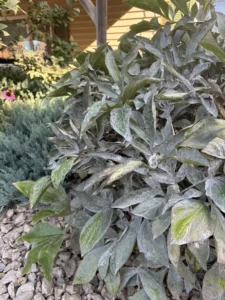
Why? Powdery mildew on my four peony plants.
I saw the first signs of it around the time of our county fair in mid-June. I never got around to spraying a fungicide. By the time I had time to work in my yard, all four plants were covered, and it was too late for a fungicide to help.
Powdery mildew is a fungal disease that can affect many different plant species. The disease is common in plants grown in the shade or areas with little air movement. In addition, some plants are more susceptible to the disease than others.
Infected plants develop white or gray powdery spots. If leaves are infected while they are still developing, they can have a distorted appearance. Usually, the disease causes more of an aesthetic issue for us than an issue for the plant. In severe cases, it may cause leaf drop and dieback. Repeated heavy infections can weaken plants.
Powdery mildew spores can be spread by wind. Unlike many fungal diseases, powdery mildew does not require water on the leaves to infect the plant. The weather conditions this summer may have provided ideal conditions for the disease. Cool nights, high humidity and dry conditions during the day can create an environment where powdery mildew thrives.
Fungicides are most effective when applied before the disease becomes well established. They protect healthy tissue and help prevent new infections. If the entire plant is covered, it is too late to spray. Most of the time, plants can tolerate a powdery mildew infection. So, save the fungicides for high-value plants or those with a history of powdery mildew. Always read and follow the product label before applying a fungicide.
When planting susceptible plants, choose locations with good air circulation and avoid crowding plants together. Other options to help manage powdery mildew include planting resistant varieties and increasing air movement through proper plant spacing or pruning.
Cutting back plants in the fall and removing infected plant debris from your yard are some other management tools. If possible, don’t put heavily infected plant debris in a backyard compost pile, as home compost piles may not consistently reach temperatures high enough to destroy pathogens.
In previous years, I have noticed some powdery mildew on my peonies, but it has been nothing like this year. I will be cutting back my plants after a freeze, removing the debris and scouting more closely for signs of the disease in my peonies next year. Happy gardening!
(Carrie Knutson is a horticulture agent at NDSU Extension - Grand Forks County.)