
Prairie Fare: From field to fork — Do you know where your food comes from?
Take the time to stop and think about where the food from the grocery store originates
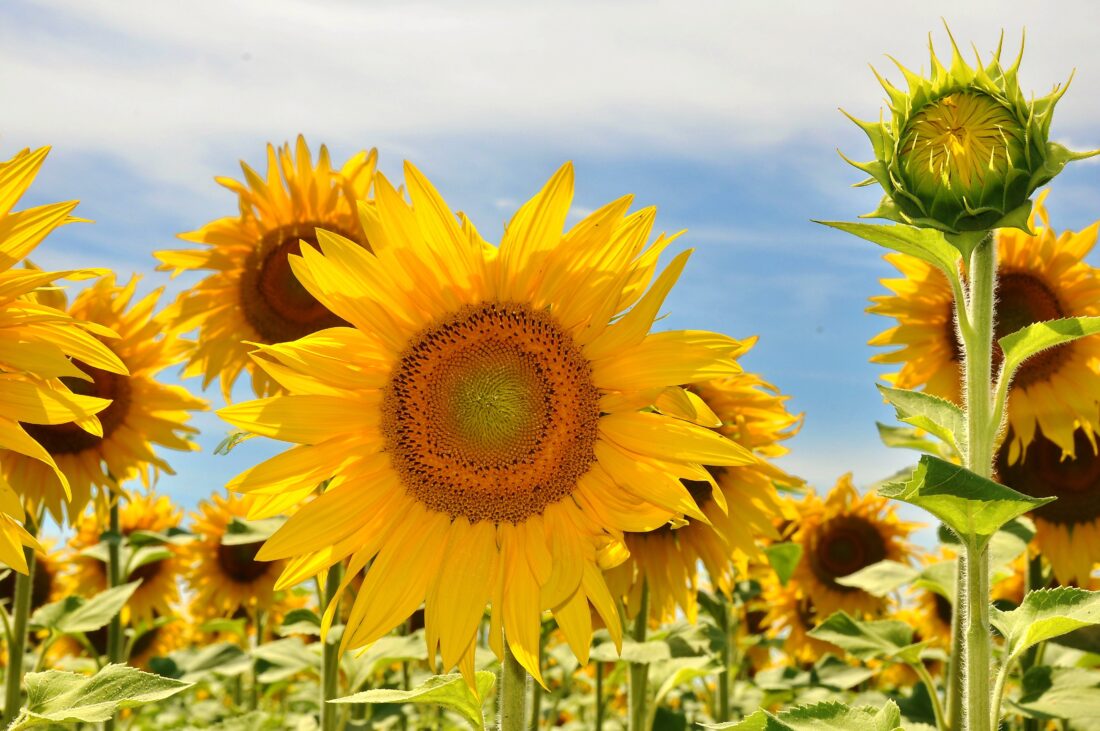
Submitted Photo The U.S. grows hundreds of crops that become ingredients in foods found in your favorite grocery store. (NDSU photo)

Julie Garden-Robinson
Submitted Photo The U.S. grows hundreds of crops that become ingredients in foods found in your favorite grocery store. (NDSU photo)
Julie Garden-Robinson
Trending
Most of us visit a grocery store regularly to buy food, or perhaps you order food for delivery to your home. Have you ever stopped to think where that food originates?
You may be a farmer yourself, or you may drive by acres of crops at this time of year in your home state or while traveling through others.
We see a lot of farm fields in North Dakota. Did you know that North Dakota produces a large amount of dry edible beans, such as pinto and navy beans? I have been thinking about beans quite a bit lately because we recently hosted a bean webinar to help people learn more about them.
Before I continue, I have a special request. You are invited to take part in a survey about dry edible beans, your experiences using beans and your suggestions for learning more. The survey takes about 10 minutes to complete, and participants may win a prize through random drawings. The survey can be found at bit.ly/bean-survey-26.
The U.S. Department of Agriculture tracks the production of many crops. Every state has good reasons to be proud, as each plays a role in feeding people. Even if a state is not number one in production, it still contributes to feeding the U.S. and the world.
Let's try a short quiz about leading crops in various states according to 2025 USDA statistics, released in January 2026.
You picked up a bag of rice at the store to make a casserole for dinner. Which state leads in production of all types of rice?
a. Texas
b. Arkansas
c. California
d. North Dakota
Fields of blooming sunflowers are a beautiful sight in late summer. Which state leads in the production of all types of sunflowers?
a. North Dakota
b. South Dakota
c. Nebraska
d. Colorado
Flaxseed has potential health benefits. Which state grows the most flaxseed?
a. Minnesota
b. North Dakota
c. Montana
d. Idaho
When you venture to the produce aisle, you may add colorful strawberries, tomatoes, carrots and lettuce to your cart. Which state produces most of the fruits and vegetables?
a. Florida
b. California
c. North Dakota
d. Hawaii
Potatoes are a versatile food on menus. Which state grows the most potatoes?
a. Oregon
b. Idaho
c. North Dakota
d. Washington
Bean and egg burritos are on your menu plan. Which state grows the most dry edible beans?
a. North Dakota
b. Michigan
c. Minnesota
d. Nebraska
If you purchased maple syrup at the store, it might come from the nation's leading producer. Which state is it?
a. West Virginia
b. Wisconsin
c. North Dakota
d. Vermont
The answers are 1) b, 2) a, 3) b, 4) b, 5) b, 6) a and 7) d.
If you have ever planted or helped tend a garden, you know that growing plants takes time, effort and patience. Hats off to the hardworking farmers across the country.
Here's an easy bean side dish featuring summer produce to enjoy with your favorite grilled protein. Learn more about vegetable and fruit crops - and be inspired by the recipes - by visiting www.ag.ndsu.edu/fieldtofork. And don't forget to take the bean survey.
Sizzlin' Baked Beans
1 (28-ounce) can vegetarian baked beans, undrained
1/2 green pepper, chopped
1/2 red pepper, chopped
1 onion, chopped
1 1/2 tablespoons molasses
1 1/2 tablespoons ketchup
4 strips uncooked turkey bacon, diced (or regular bacon)
Salt and pepper to taste
Preheat oven to 350 F. In a greased 9- by 13-inch pan, mix all ingredients except the turkey bacon. Brown the bacon and drain the fat. Crumble and sprinkle the bacon evenly over the top. Bake for 40 minutes.
Makes 12 servings. Each serving has 100 calories, 1.5 grams fat, 5 grams protein, 19 grams carbohydrate, 4 grams fiber and 360 milligrams sodium.
(Julie Garden-Robinson, Ph.D., R.D., L.R.D., is a North Dakota State University Extension food and nutrition specialist and professor in the Department of Health, Nutrition and Exercise Sciences.)