
ND confronts domestic violence crisis head-on
Trending
The Domestic Violence Crisis Center located in Minot provides a safe space for healing and helping those who have been affected by domestic violence through free programs and services. The center opened in 1977 and serves Ward, Renville, Pierce and McHenry counties.
"We offer a few different programs," Tera Bjornson, assistant director, said. "We have an emergency shelter. We work with individuals who have been impacted by interpersonal violence, whether that's domestic violence, sexual violence, human traffing and any form of domestic interpersonal violence."
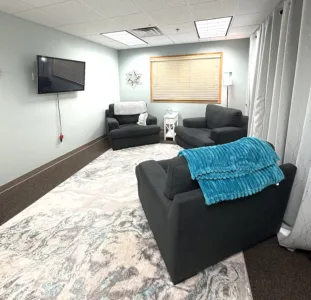
The center offers different classes, housing, protection assistance and emotional support. Forensic interviewing is additionally provided, and the Domestic Violence Crisis Center (DVCC) is one of the only centers in the country that offers the service, according to the DVCC. An adult forensic interview room is a safe space where a professional conducts a fact-finding conversation with an adult victim of a crime, according to the Forensic Center of Excellence.
"We have some transitional apartments and we offer protection order assistance, emotional support. We help with finding resources and we offer offender intervention," Bjornson said. "We have a mental health unit for therapy and adult forensic interviewing."
In any of the areas that the center serves, including Minot Air Force Base, Bjornson said, if there is a sexual assault reported to the emergency room, they will work with law enforcement to be with the person in the hospital to provide support.
Bjornson explained that domestic violence isn't always physical, which is one of the misconceptions around the abuse. Furthermore, abuse can be overlooked, normalized or not fully realized as such, but can be mistaken for discomfort instead. Social media, Bjornson said, can aid in normalizing red flags and even encourage abusive behaviors.
"Domestic violence isn't always physical. There's a lot of emotional, financial, intimidation that goes into the pieces of it," Bjornson said. "Threre's not always physical marks. The level of coercion and control that goes into a relationship that has abuse, I think that is often overlooked. There's a whole history within the relationship, so when someone is finally ready to leave, it's not just one incident or one thing."
Some of the early signs of a relationship that could turn into a domestic violence situation, Bjornson said, are love bombing and the overattention associated with constantly wanting all of someone's time, which can turn into one person trying to isolate the other from their support systems.
"I think back to when I was younger. You get into a new relationship and it becomes, I just want to spend all my time with this person, and what does it look like if you say no to that person? I think that's a big indicator that we don't talk about," Bjornson said. "If you say no to somebody, whether it's 'No, I don't have time to go right now' or 'I don't want to do whatever,' how is that received?"
In the Minot area, two of the biggest issues for those experiencing domestic violence are housing and transportation. Bjornson explains there are many factors that go into someone leaving, and housing and transportation struggles only add to the situation. If someone can't leave home because the keys are taken at night, things get exponentially harder.
"I think what is often overlooked is the challenge with getting housing. When someone leaves an abusive situation, what kind of housing opportunities do they have? Minot has limitations on that right now, whereas other cities may have more opportunities," Bjornson said. "Transportation is another issue that we see in Minot. Bigger cities have public transportation 24/7. That is a challenge itself."
Bjornson said the needs of everyone who calls or walks through the doors of the center are different. Someone could need someone to talk to, a supportive friend to assist them in making a call to law enforcement, a place to stay or they could even need a little bit of hope.
Bjornson's biggest advice for younger folks trying to navigate life and dating is they don't have to do it alone, and to anyone who may have questions about if a behavior is normal, she says to give the center a call. The staff is always there to listen.
"One of the biggest pieces of advice for anyone experiencing violence is that you're not alone. You don't have to do this alone and there are people who are willing to listen and be there for you," Bjornson said. "If questions arise, reach out and contact us. Even if it's just a weird feeling to talk about. There's people who are wanting and ready to hear what you have to say and to help guide you or walk you through a confusing or scary part of your life."
The Domestic Violence Crisis Center 24-hour line is: 852-2258 for anyone who needs assistance, with additional information on its website.