
Prairie Fare: Hand of cards, lesson about diabetes
Trending
"I have the cards and poker chips ready," my uncle said as we walked in the door.
I always looked forward to playing cards before my weekly piano lesson. I would have skipped my lesson with my aunt and kept playing cards if I had my way. I think my uncle let me win.
I still remember the morning my mom came into my bedroom and told me my uncle had passed away at age 66. I was 11 years old.
Without my card-playing buddy, I really didn’t enjoy playing cards anymore.
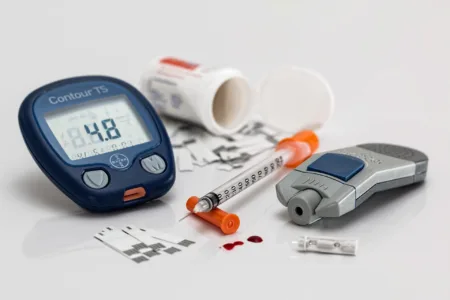
I knew my uncle had diabetes, but I didn’t understand what that meant. He had to take insulin shots regularly. Sometimes he would get weak and shaky while we were playing cards and needed some juice. He died from complications of the disease.
Medical treatment for diabetes has evolved considerably, with advances in nutrition recommendations, medications, insulin pumps and continuous glucose monitoring.
Diabetes means your blood glucose (sugar) levels rise too high because your body does not make enough insulin or does not use insulin effectively. Insulin is made by the pancreas. Its job is to move glucose from the bloodstream into our cells, where it is used for energy.
The three main types of diabetes are Type 1, gestational and, most commonly, Type 2. Type 1 diabetes is an autoimmune disease in which the body attacks the insulin-producing cells in the pancreas. People with Type 1 diabetes need to take insulin every day.
Gestational diabetes develops during pregnancy and usually goes away after the baby is born. However, mothers who have gestational diabetes and their children may be at increased risk of developing Type 2 diabetes later in life.
Type 2 is the most common type of diabetes. It is more common in adults over age 45, although more children and teens are developing it. Risk factors include having prediabetes, being overweight, having a parent or sibling with diabetes and being physically inactive.
People with undiagnosed or untreated Type 2 diabetes may feel very hungry, urinate frequently, feel tired, experience blurred vision or have wounds that do not heal properly.
November is National Diabetes Month. While any month is a good time to check in on your health, November provides an opportunity to learn about diabetes risk factors and take steps toward healthier habits.
If your health care provider tells you that you have prediabetes, use that information as a springboard for action. Prediabetes can progress to Type 2 diabetes, but lifestyle changes and, in some cases, medication can help prevent or delay its development. Be sure to have regular health checkups because you may not recognize the signs of a health problem.
Research has shown that losing just 5% to 7% of body weight among people who are overweight and at risk for diabetes can help lower the risk of developing Type 2 diabetes. In other words, a 200-pound person would aim to lose 10 to 14 pounds to achieve these benefits.
Having Type 2 diabetes increases your risk for heart disease, stroke, kidney disease, blindness, infections and many other health issues.
Many communities throughout the U.S. offer the National Diabetes Prevention Program through public health agencies, Extension programs or medical clinics. We have many ways to improve our health, and a healthy diet and regular physical activity are good places to start.
When you gather family and friends for holiday celebrations, remember to provide options for those with special dietary needs.
Try something a little different this holiday season. This colorful side dish recipe is from Ohio State University’s Dining with Diabetes program.
Maybe, in my uncle’s honor, I will pull out some playing cards during the holiday season while I hold my dog, who is named after him.
Green Beans, Cranberries and Nuts
2 cups frozen or fresh green beans, trimmed and cut into 4-inch pieces
2 teaspoons canola or olive oil
4 tablespoons dried cranberries
4 tablespoons chopped or slivered nuts (almonds, walnut pieces or pecans)
1 tablespoon honey
Lemon pepper, dill or a seasoning blend of your choice, to taste
If using frozen or fresh green beans, cook until crisp-tender and drain.
Heat oil in a saucepan. Add cranberries and nuts, stirring often. Stir in green beans and cook until heated through. Add honey and stir well. Season as desired.
Makes four servings. Each serving has 150 calories, 10 grams (g) fat, 2 g protein, 17 g carbohydrate, 3 g fiber and no sodium.
(Julie Garden-Robinson, Ph.D., R.D., L.R.D., is a North Dakota State University Extension food and nutrition specialist and professor in the Department of Health, Nutrition and Exercise Sciences.)