
ZOO NEWS: Calling Dr. Doolittle
Caring for animals whether as a pet owner, a rancher, or a zookeeper would all be easier if we had a bit of Dr. Doolittle to help us better communicate with them, especially when they are not feeling well. It is kind of like caring for your children before they learned to talk or to understand what you were asking them. Staff looks for non-verbal cues or abnormal behavior to identify potential problems. But when caring for animals in a zoological setting, there are so many things that can affect an animal’s health, staff is constantly monitoring the animals, their habitats, and their relationships to try to minimize health issues.
Injuries can be caused by an exhibit-mate, something dug up in an enclosure or just something that has worn down and exposed a potential hazard. There could be issues related to nutrition whether it is something fed as part of their daily diet, or unwittingly by a guest, or even something that might blow into their space. Within their environments, animals face parasites from the soil, blood-borne diseases spread by mosquitos, and even potential air-borne illnesses, just as we humans do. And the animals, just like us humans, as they get older become more susceptible to all these along with all the other fun stuff that comes along with reaching those golden years.
There are animals such as Clover, our female Amur Leopard, that mysteriously lost the use of her hind legs late one afternoon about a month ago. We were able to get her moved inside, drew blood, and took X-rays. Since that evening, she has been receiving treatment and remains inside. She is walking much better and once we are convinced that she is fully healed plan to allow her back into her old enclosure.
Then there is Mashama, our male giraffe. On your next visit you may find him in the smaller holding area adjacent to the exhibit or in the exhibit itself with the girls. He has been suffering with unmanageable leg-related issues for years. We recently started utilizing the holding pen to see how the softer substrate impacted his attitude. He now is given a choice of where he prefers to be and will often select the holding pen over the main enclosure, but it’s his choice.
And finally, there’s Tyrion, the male warthog. Out of the blue he showed up with a huge cut across his rump. Staff went through the entire enclosure trying to see what he could have cut it on to no avail. Regardless, he too is currently being kept off exhibit as staff wait for the wound to properly heal, but he is doing great and being spoiled by his keepers during his time inside.
Again, if there were some ways to talk to them and get answers, life would be so much simpler for both of us. But until we find our Dr. Doolittle who can ask those questions for us, we are determined to continue doing the best job we can with the nonverbal information they can provide.
Arts and Entertainment
Art in Motion to raise awareness funding
Art in Motion will be held Friday, May 8, at 6 p.m. at the Taube Museum of Art in Minot. The event is presented by ...
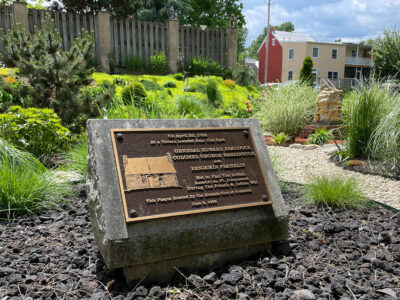
America at 250: Frederick, Maryland, played active role in Revolutionary War
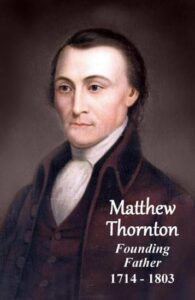
Remembering final signer of Declaration of Independence
Retirement’s Comic Relief: Go ahead caller… You’re on the line
America at 250: Making of America’s first president George Washington